

What is Botox treatment in Seoul, Korea?
KoreaMedTour.com
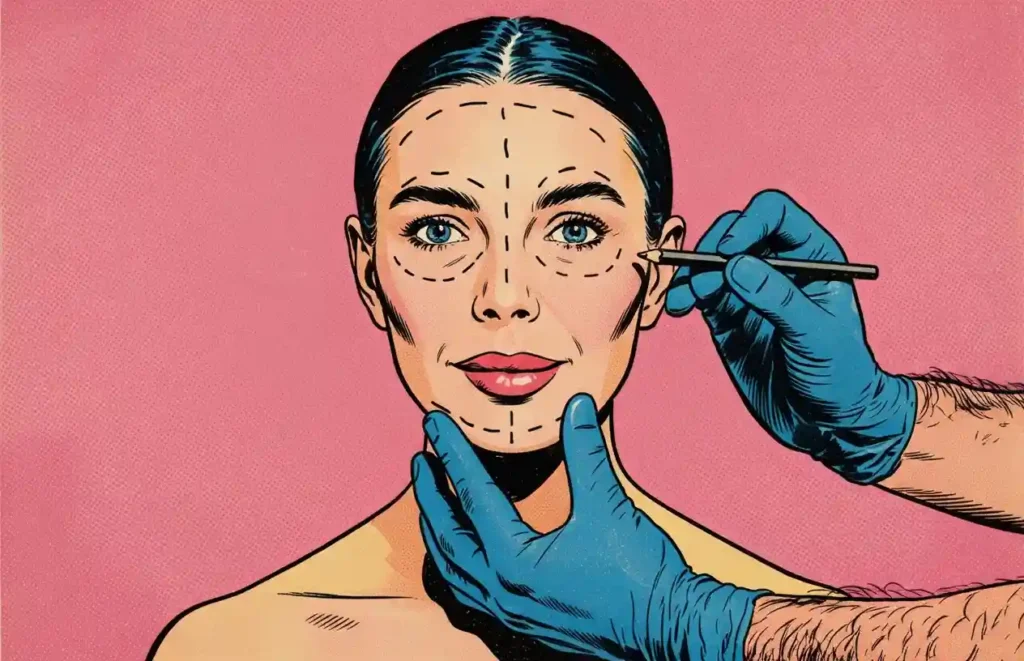
Botox treatment in Seoul, Korea uses botulinum toxin injections to temporarily reduce targeted muscle activity and soften dynamic wrinkles. Common treatment areas include the forehead, frown lines, crow’s feet, and masseter muscles. Results develop gradually and are temporary, so proper dosing, qualified medical care, and product selection are essential.
Quick Summary
Botox Treatment in Seoul, Korea is a minimally invasive injectable treatment that temporarily reduces targeted muscle activity to soften dynamic wrinkles and selected facial concerns. Common treatment areas include the forehead, glabellar lines between the eyebrows, crow’s feet, masseter muscles, and selected lower-face muscles. The most appropriate treatment depends on facial anatomy, muscle activity, treatment goals, product characteristics, injection technique, medical history, and individual response rather than price or popularity.
Key Insights
- Botox treatment: A minimally invasive injectable procedure using botulinum toxin to temporarily reduce targeted muscle activity
- Dynamic wrinkles: Botox is primarily designed to improve wrinkles associated with repeated muscle contraction, such as forehead lines, frown lines, and crow’s feet
- Forehead lines: Treatment can reduce excessive frontalis muscle activity, but careful dosing is important to preserve appropriate eyebrow movement and facial expression
- Glabellar lines: Botulinum toxin is commonly used to soften vertical lines between the eyebrows caused by activity of muscles such as the corrugator and procerus
- Crow’s feet: Targeted treatment of the orbicularis oculi may reduce the appearance of wrinkles around the outer corners of the eyes
- Masseter Botox: May reduce masseter muscle prominence in appropriately selected patients, potentially creating a slimmer lower-face appearance
- Lower-face Botox: Selected muscles around the chin, mouth, and jaw may be treated for specific aesthetic concerns, but these areas require precise anatomical assessment
- Botox vs. filler: Botox reduces muscle activity, while dermal fillers primarily add or restore volume and alter facial contours
- Treatment selection: Product, dosage, injection points, treatment area, muscle strength, facial anatomy, previous treatment history, and desired degree of movement should all be considered
- Treatment protocol: Results depend on the specific product, dosage, injection technique, treatment area, individual biology, and previous response
- International patients: Patients traveling to Seoul should arrange consultation, medical history review, product verification, treatment planning, and postoperative support before treatment
- Important consideration: The cheapest, newest, or most heavily promoted Botox treatment is not automatically the most appropriate; product transparency, medical suitability, safety, evidence, and clinician expertise should guide treatment decisions
Why It’s Safe & Trusted
- Botox treatment should be performed only after an appropriate medical assessment by a qualified healthcare professional
- Consultation should evaluate facial anatomy, muscle activity, treatment goals, previous aesthetic procedures, medical history, medications, allergies, and potential contraindications
- Patients should receive clear information about expected benefits, limitations, possible complications, downtime, and alternative treatments
- The exact botulinum toxin product, manufacturer, active ingredient, dosage, and intended treatment area should be clearly identified
- Botulinum toxin products are not automatically interchangeable on a simple unit-for-unit basis
- Common temporary reactions may include redness, swelling, tenderness, bruising, headache, or discomfort at injection sites
- Depending on the treatment area, unwanted effects can include temporary eyebrow or eyelid drooping, facial asymmetry, or weakness of nearby muscles
- Rare but potentially serious reactions can involve generalized muscle weakness, difficulty swallowing, difficulty speaking, breathing difficulties, or other systemic symptoms requiring urgent medical attention
- Patients should not choose a clinic solely because of exceptionally low prices, promotional claims, celebrity endorsements, or claims that one Botox product is universally superior
- International patients should confirm how postoperative monitoring and complication management will be handled after returning home
- Clinics should explain realistic outcomes rather than guarantee permanent wrinkle removal or a specific facial appearance
- Individual treatment planning is essential because facial aging involves changes in muscle activity, skin quality, collagen, elasticity, fat, soft tissue, and facial structure
Clinical Advantages
- Dynamic wrinkle reduction: Botox can temporarily reduce muscle activity responsible for selected expression lines
- Forehead rejuvenation: Appropriately planned treatment may soften horizontal forehead lines while maintaining natural-looking movement
- Frown-line improvement: Targeting the glabellar muscles can reduce the appearance of lines between the eyebrows
- Crow’s-feet improvement: Selected patients may experience reduced appearance of lateral eye wrinkles
- Masseter reduction: Treatment may decrease the prominence of an enlarged masseter muscle in appropriately selected patients
- Minimally invasive approach: Treatment uses small injections rather than surgical incisions
- Short procedure time: Many treatment areas can be treated during a relatively brief clinical appointment
- Natural-looking results: Conservative treatment can soften wrinkles while preserving appropriate facial expression
- Customized treatment: Injection points and dosage can be adjusted according to muscle strength, facial anatomy, symmetry, and treatment objectives
- Combination planning: Botox may be incorporated into a broader aesthetic plan when patients have additional concerns such as volume loss, pigmentation, skin texture, or laxity
- Maintenance-based treatment: Because botulinum toxin is temporary, treatment can be reassessed and repeated according to individual response and appropriate clinical intervals
- International patient coordination: Seoul clinics serving overseas patients may offer consultation, interpretation, scheduling, treatment planning, and postoperative coordination
- Evidence-based selection: Product choice and treatment planning should be guided by clinical evidence, regulatory information, anatomy, patient suitability, and realistic expectations rather than marketing trends
Best Candidates for Botox Treatment in Seoul, Korea
- Adults seeking improvement in dynamic facial wrinkles
- Patients with noticeable forehead lines caused partly by repeated muscle contraction
- Individuals concerned about frown lines between the eyebrows
- Patients seeking improvement in crow’s feet around the outer eyes
- Individuals with prominent masseter muscles who may be appropriate candidates for masseter Botox
- Patients seeking selected lower-face or chin muscle treatments after professional assessment
- Individuals interested in Korean Botox treatment after appropriate medical consultation
- Patients who prefer a minimally invasive approach rather than surgical facial rejuvenation
- Individuals who understand that Botox reduces muscle activity rather than directly restoring lost facial volume
- International patients who can provide relevant medical history and information about previous injectable or aesthetic procedures
- Patients who understand potential side effects, temporary results, and the importance of follow-up care
- Individuals seeking professional assessment before choosing a specific botulinum toxin product
- Patients with realistic expectations regarding the degree, duration, and limitations of Botox results
Additional medical evaluation may be particularly important for patients who are pregnant or breastfeeding, have certain neuromuscular disorders, have an infection at the proposed injection site, have experienced previous serious reactions to botulinum toxin, take medications that may affect treatment risk, or have other medical factors that could influence procedural safety.
Expected Outcomes
- Reduced appearance of selected dynamic facial wrinkles
- Softer forehead lines following appropriately planned treatment
- Reduced appearance of glabellar or frown lines between the eyebrows
- Improvement in selected crow’s feet around the eyes
- Reduced masseter muscle prominence in appropriately selected patients
- More relaxed or refreshed facial appearance without necessarily eliminating normal facial expression
- Gradual development of results rather than an immediate final effect
- Results that vary according to product, dosage, injection technique, treatment area, muscle strength, age, facial anatomy, and individual response
- Temporary reduction in targeted muscle activity rather than permanent muscle paralysis
- Potential need for maintenance treatment as muscle activity gradually returns
- More individualized facial rejuvenation when Botox is combined with treatments addressing other aging concerns
- Outcomes that depend on the patient’s anatomy, treatment choice, clinician expertise, and realistic expectations
Important: Results vary according to the botulinum toxin product, treatment protocol, injection technique, treatment area, muscle activity, age, lifestyle, clinician expertise, and individual biological response. Botox cannot guarantee permanent wrinkle removal, identical results between patients, or a specific facial appearance.
Bottom Line
Botox Treatment in Seoul, Korea offers a minimally invasive approach to temporarily reducing targeted muscle activity and improving dynamic facial wrinkles. It is commonly used for forehead lines, glabellar lines, crow’s feet, masseter prominence, and selected lower-face concerns, but the appropriate treatment depends on individual facial anatomy and muscle activity.
For international patients, choosing Botox in Seoul should not be based simply on the lowest price, the newest product, or the largest number of injection points. The more important considerations are the exact botulinum toxin product, clinician qualifications, facial assessment, treatment technique, dosage, expected results, potential complications, and follow-up care.
Before traveling to Seoul, patients should prepare information about previous cosmetic procedures, medical history, medications, allergies, and treatment objectives. During consultation, they should ask about the exact product and manufacturer, treatment areas, target muscles, injection technique, expected results, recovery requirements, potential side effects, clinician qualifications, and postoperative support.
A useful Botox consultation should answer a fundamental question first: Is excessive muscle activity actually the main cause of the aesthetic concern? If the primary issue is instead volume loss, skin laxity, pigmentation, skin texture, or structural changes, another treatment may be more appropriate.
The best approach is to evaluate clinical suitability, evidence, product transparency, clinician expertise, expected outcomes, safety, recovery, cost, and long-term follow-up together.
For international patients considering Botox in Seoul, a qualified medical professional should determine whether botulinum toxin is appropriate after an individualized assessment and discussion of alternative treatment options.
Table of Contents
What Is Botox and How Does It Work?
“Botox” is commonly used as a general term for cosmetic botulinum toxin injections, although Botox is a specific brand of botulinum toxin type A.
Botulinum toxin works by temporarily interfering with nerve signals that tell targeted muscles to contract. When the selected muscle contracts less strongly, the overlying skin is repeatedly folded less aggressively, which can soften certain expression-related wrinkles.
This mechanism is particularly relevant to dynamic wrinkles—lines that become more visible when you frown, raise your eyebrows, or smile.
The U.S. FDA describes botulinum toxin products as injectable drugs that reduce muscle activity and has approved certain products for temporary improvement of specific facial lines.
Dynamic wrinkles vs. static wrinkles
This distinction is important when deciding whether Botox is appropriate.
Dynamic wrinkles are primarily associated with repeated muscle movement. Examples include:
- Frown lines between the eyebrows
- Horizontal forehead lines
- Crow’s feet at the outer corners of the eyes
- Certain nose wrinkles
- Some chin dimpling caused by excessive muscle activity
Static wrinkles remain visible even when the face is relaxed. These can result from collagen loss, skin laxity, sun exposure, volume changes, and years of repeated movement.
Botulinum toxin can improve the muscle component of a wrinkle, but it does not replace lost facial volume or directly tighten significantly loose skin. Depending on the underlying problem, a clinician may recommend skincare, laser or energy-based treatments, dermal fillers, or other procedures instead—or in combination.
The underlying principle is simple: if excessive muscle contraction is the main cause of the aesthetic problem, botulinum toxin is more likely to be an appropriate treatment. This diagnostic approach is also emphasized in international aesthetic consensus recommendations.
Why Is Botox in Seoul, Korea So Popular?
Seoul has a large and highly developed aesthetic-medicine market, with dermatology and plastic-surgery clinics offering a broad range of minimally invasive procedures.
Korean clinical experts have also published updated consensus recommendations addressing botulinum toxin use in facial expression muscles, including injection techniques, dosage considerations, and potential complications. A 2024 Korean expert consensus involved specialists in dermatology, plastic surgery, aesthetic medicine, and clinical anatomy.
However, the existence of a large aesthetic market does not mean every clinic or treatment is equally appropriate.
For international visitors, the important question is not simply:
“Where can I get cheap Botox in Seoul?”
A better question is:
“Which qualified medical provider can assess my facial anatomy and provide an appropriate, clearly identified botulinum toxin product?”
That distinction can make a significant difference to both safety and aesthetic outcome.
What Areas Can Botox Treat in Seoul?
The treatment area should be selected according to anatomy, muscle activity, facial proportions, and the patient’s desired outcome.
1. Forehead Lines
Horizontal forehead lines are often associated with repeated contraction of the frontalis muscle.
Treatment can soften excessive movement, but the forehead requires particular care because the frontalis muscle also helps elevate the eyebrows.
Over-treatment may result in an unnatural appearance or brow heaviness. For this reason, forehead injections should be planned together with assessment of the glabellar region and eyebrow position rather than treated as an isolated set of lines.
2. Frown Lines Between the Eyebrows
These vertical lines are commonly called glabellar lines or “11 lines.”
They are associated primarily with activity of muscles including the corrugator and procerus.
Botulinum toxin is well established for this indication. For example, the FDA approved letibotulinumtoxinA (Letybo) in 2024 for temporary improvement of moderate-to-severe glabellar lines in adults.
Korea also has domestically developed botulinum toxin products. The Korean Ministry of Food and Drug Safety lists Botulax, for example, with an indication that includes temporary improvement of moderate-to-severe glabellar wrinkles associated with corrugator and/or procerus muscle activity.
3. Crow’s Feet
Crow’s feet are wrinkles at the outer corners of the eyes caused partly by repeated contraction of the orbicularis oculi muscle.
Treatment requires precise placement because the muscles around the eyes perform important functions. Excessive weakening can produce unwanted changes in facial expression or eyelid/brow appearance.
4. Masseter Botox
Masseter treatment is different from conventional wrinkle treatment.
The masseter muscles are located along the sides of the jaw and are involved in chewing. Reducing excessive masseter activity can decrease muscle prominence and create a slimmer appearance in selected patients whose lower-face width is significantly influenced by muscle bulk.
It is not equivalent to removing bone or directly eliminating facial fat.
A proper assessment is therefore important before assuming that a wider jawline is caused by the masseter muscle.
5. Lower Face and Chin
Experienced practitioners may use botulinum toxin for selected lower-face concerns, such as excessive chin muscle activity or certain patterns of perioral muscle contraction.
These areas require greater anatomical precision than simply treating an obvious wrinkle. Small differences in injection placement can affect smiling, speech, lip movement, or facial symmetry.
International consensus recommendations emphasize individualized assessment based on target muscles and surrounding anatomy.
What Happens During a Botox Treatment in Seoul?
A typical appointment can be divided into several stages.
Step 1: Medical and aesthetic consultation
The practitioner should assess:
- Your facial anatomy
- Muscle strength and movement
- Existing asymmetry
- Previous botulinum toxin treatments
- Previous adverse reactions
- Current medications and relevant medical history
- Your desired aesthetic outcome
A good consultation should involve more than simply selecting a number of injection units.
Step 2: Treatment planning
The practitioner determines the target muscles and injection locations.
Dosage is not necessarily identical from person to person. Facial anatomy, muscle strength, sex, treatment area, previous treatment history, and desired degree of movement preservation can all influence treatment planning.
Step 3: Injection
A fine needle is used to inject the selected botulinum toxin into specific muscles.
The procedure itself is generally short, although the appointment can take longer when several areas are assessed and treated.
Step 4: Aftercare instructions
The clinic should explain what to expect after treatment and when to contact the clinic if an unusual reaction occurs.
When Do Botox Results Appear?
Botulinum toxin does not normally produce its complete effect immediately.
Muscle activity gradually decreases after treatment, and the visible result develops over the following days.
The exact timeline depends on the specific product, treatment area, muscle activity, individual biology, and assessment method. Clinical studies commonly evaluate outcomes several weeks after treatment; for example, FDA-reviewed clinical trials of Letybo assessed glabellar-line improvement at Week 4.
Patients should therefore be cautious about clinics or advertisements promising an identical result within a specific number of hours.
How long does Botox last?
The effect is temporary. Muscle activity gradually returns as the biological effect wears off.
Duration varies between individuals and treatment areas. Rather than assuming that every patient will obtain exactly the same duration, it is more useful to view botulinum toxin as a maintenance treatment whose interval should be determined according to clinical response and the specific product.
Some regulatory labeling also places limits on how frequently particular products should be administered. For example, FDA-approved Letybo should not be administered more frequently than every three months.
Botox Before and After: What Should You Expect?
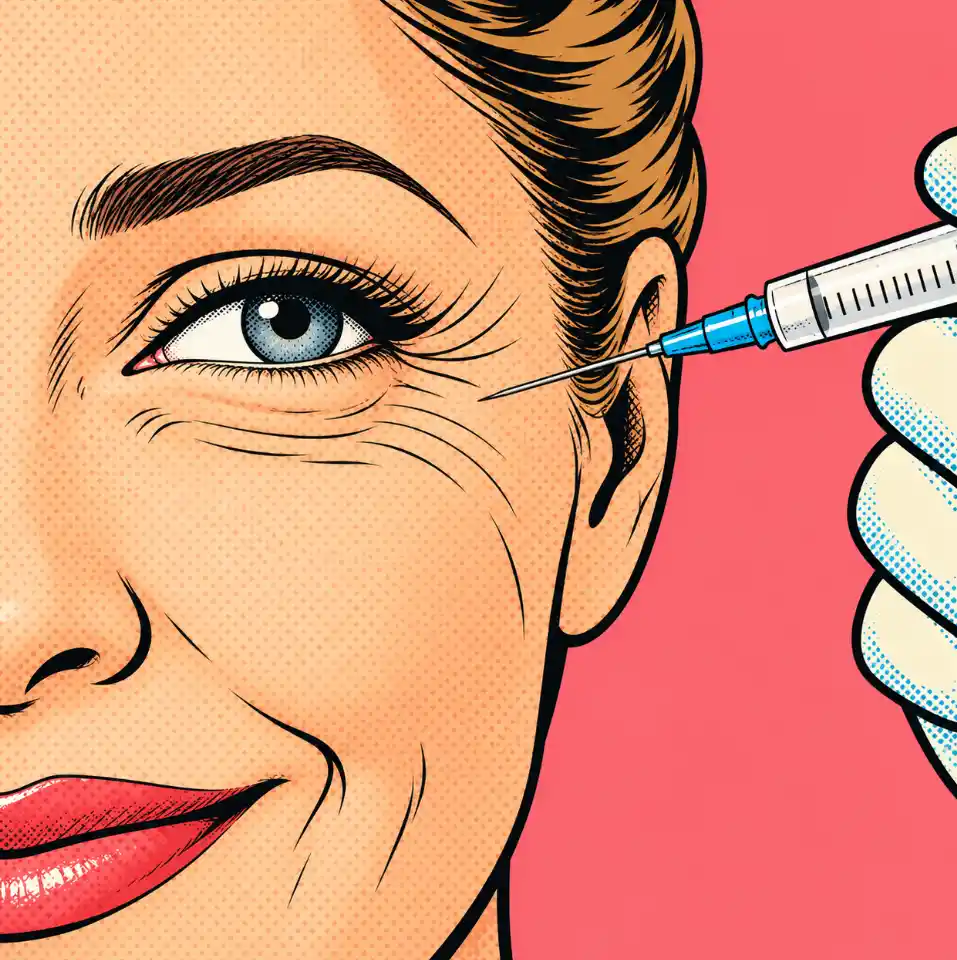
The best outcome is not necessarily a completely expressionless face.
A well-planned treatment may aim to:
- Soften prominent expression lines
- Reduce excessive muscle contraction
- Preserve appropriate facial movement
- Maintain eyebrow balance
- Improve facial harmony
- Produce a refreshed rather than frozen appearance
The final result depends on the patient’s anatomy and the treatment objective.
For this reason, before-and-after photographs can be useful, but they should not be interpreted as a guarantee of an identical result. Lighting, facial expression, camera angle, makeup, and the timing of photographs can significantly influence the appearance of wrinkles.
Is Botox in Seoul Safe?
Botulinum toxin is an established medical treatment, but no injectable procedure is completely risk-free.
Common or relatively minor reactions can include:
- Temporary injection-site pain
- Redness
- Swelling
- Bruising
- Headache
- Temporary weakness of nearby muscles
More specific complications can occur depending on the injection area.
For example, eyelid or brow drooping can occur when muscles responsible for eyelid or eyebrow position are unintentionally affected. FDA information identifies facial weakness, eyelid drooping, and brow drooping among reported adverse effects of botulinum toxin products.
Rare but serious symptoms associated with botulinum toxin products can include generalized muscle weakness, double vision, difficulty swallowing, difficulty speaking, or breathing problems. These require urgent medical attention.
The FDA has also warned about illegally marketed or unapproved botulinum toxin products, emphasizing the importance of receiving properly regulated products from qualified healthcare professionals.
How to Choose a Botox Clinic in Seoul
Price should be only one part of the decision.
Before booking, consider asking the clinic these questions:
1. Who will perform the injection?
Confirm that a qualified healthcare professional will personally assess and perform the procedure.
2. What exact product will be used?
Ask for the brand and active ingredient, rather than accepting only the generic term “Korean Botox.”
Different botulinum toxin products are not automatically interchangeable on a simple unit-for-unit basis.
3. Is the product officially approved for the intended use?
Regulatory approvals vary by country and by indication. A product being manufactured in Korea does not automatically mean that every possible cosmetic use is approved in every country.
4. How is the treatment customized?
Ask whether the practitioner evaluates muscle strength, facial symmetry, eyebrow position, and previous treatment history.
5. What happens if there is a complication?
A reputable clinic should provide clear aftercare instructions and a way to contact the medical team if an unexpected reaction occurs.
Botox Price in Seoul: Why Costs Vary
Botox prices in Seoul can vary considerably between clinics and treatment plans.
Factors affecting the price can include:
- Product brand
- Treatment area
- Amount of product required
- Number of areas treated
- Physician consultation and technique
- Clinic location
- Promotional pricing
- Whether the quoted price includes consultation, injection fees, taxes, or other services
Extremely low advertised prices should therefore be interpreted carefully.
A price comparison is meaningful only when you are comparing the same product, treatment area, approximate treatment plan, and included services.
Instead of asking only “How much is Botox in Seoul?”, ask:
What product is being used, who performs the treatment, which muscles will be treated, how many areas are included, and what is included in the quoted price?
That gives you a much more useful comparison.
Botox in Seoul for International Patients
Seoul is a major destination for international medical visitors, but overseas patients should take additional precautions.
Before traveling, confirm:
- The clinic’s medical credentials
- The identity and qualifications of the treating practitioner
- The product’s name and manufacturer
- Consultation availability in a language you understand
- Post-treatment communication
- What happens if a complication develops after you leave Korea
It is also sensible to avoid scheduling an extensive injectable treatment immediately before a long flight, important event, or international departure. Bruising and swelling can be unpredictable, and follow-up access is easier when you remain in the area.
Botox vs. Dermal Fillers: What Is the Difference?
Botulinum toxin and dermal fillers are often grouped together as “injectables,” but they solve different problems.
| Treatment | Primary mechanism | Common purpose |
|---|---|---|
| Botulinum toxin | Reduces targeted muscle activity | Dynamic expression lines |
| Dermal filler | Adds volume or alters tissue contour | Volume loss and selected contour concerns |
| Skin/energy treatments | Affect skin structure or pigmentation depending on technology | Texture, tone, collagen remodeling, or laxity |
Botulinum toxin should not be considered a substitute for every other aesthetic treatment.
The correct choice depends on why the visible concern exists.
Who May Not Be a Good Candidate?
A medical assessment is especially important if you:
- Are pregnant or breastfeeding
- Have a known allergy or previous serious reaction to a botulinum toxin product
- Have certain neuromuscular disorders
- Have an infection at the intended injection site
- Take medications that could affect treatment risk
- Have previously experienced significant complications from injectable treatments
The FDA advises against cosmetic botulinum toxin use during pregnancy or lactation, and medical history should be discussed with the treating healthcare professional.
Do not assume that a treatment is appropriate simply because it is marketed as a routine cosmetic procedure.
7 Questions to Ask Before Getting Botox in Seoul
Before paying for treatment, ask:
- Which botulinum toxin product will you use?
- Who will perform the injections?
- Which muscles are you treating and why?
- What result should I realistically expect?
- What side effects are possible in this particular treatment area?
- What is included in the quoted price?
- Who should I contact if I experience a problem after treatment?
These questions help shift the decision away from marketing language and toward medical quality.
FAQ Section

How much does Botox treatment in Seoul, Korea cost?
The Botox treatment in Seoul, Korea cost varies depending on the product, treatment area, amount required, number of areas treated, and clinic. Instead of comparing price alone, check the exact product, treatment plan, practitioner, and services included in the quoted price.
What is Korean Botox treatment?
Korean Botox treatment generally refers to botulinum toxin procedures using products manufactured by Korean pharmaceutical companies. “Korean Botox” is not one specific product, so patients should ask the clinic for the exact brand, manufacturer, active ingredient, and applicable regulatory approval.
How long do Botox results last in Seoul?
Botox results in Seoul are temporary and vary according to the product, treatment area, muscle activity, dosage, and individual response. Muscle activity gradually returns as the biological effect wears off. A qualified practitioner can provide a more appropriate estimate based on the treatment area and your previous response.
How do I choose the best Botox clinics in Seoul?
When comparing the best Botox clinics in Seoul, look beyond online ratings and low prices. Check who performs the injections, whether the product is clearly identified, how the practitioner evaluates your facial anatomy, what side effects are discussed, and whether appropriate follow-up care is available.
Is Botox treatment in Seoul, Korea safe for international patients?
Botox treatment in Seoul, Korea can be an appropriate cosmetic procedure when performed by a qualified healthcare professional using an appropriate, properly regulated product. International patients should verify the practitioner’s qualifications, product information, treatment plan, potential risks, and post-treatment support before traveling for treatment.
Final Takeaway: Is Botox in Seoul Worth Considering?
Botox treatment in Seoul can be an effective option for temporarily reducing wrinkles caused primarily by excessive muscle activity, but the quality of the outcome depends more on appropriate diagnosis and injection technique than on the city, price, or number of injection points.
For international patients, the safest approach is to select a qualified medical provider, verify the exact botulinum toxin product, understand the intended treatment area, discuss realistic outcomes and potential complications, and make sure appropriate follow-up is available.
The most useful way to think about Botox is not as a generic “anti-aging injection,” but as a targeted neuromodulator that temporarily changes the activity of selected muscles.
When the underlying problem is muscle-driven, carefully planned treatment can soften expression lines while preserving a natural appearance. When the problem is primarily volume loss, skin laxity, pigmentation, or skin texture, another treatment—or a combination of treatments—may be more appropriate.
Medical decisions should be made after an individual consultation with a qualified healthcare professional. This article is educational information and does not replace an in-person medical assessment.
Reference
- Korean Expert Consensus — 2024 Guidelines for Facial Expression Muscles
A Korean expert consensus involving dermatology, plastic surgery, aesthetic medicine, and clinical anatomy specialists, addressing injection sites, dosage, techniques, and potential complications. PubMed — 2024 Korean Botulinum Toxin Consensus - U.S. Food and Drug Administration (FDA) — LETYBO (letibotulinumtoxinA) Drug Trials Snapshot
FDA approval information, indication for temporary improvement of moderate-to-severe glabellar lines, clinical trial data, administration, and treatment interval.
FDA — LETYBO Drug Trials Snapshot - Ministry of Food and Drug Safety (MFDS), Republic of Korea — Botulax Product Information
Korean regulatory information on Botulax, including its botulinum toxin type A active ingredient and approved indications for glabellar wrinkles in adults.
Korea MFDS — Botulax Product Information

Korea Med Tour – Trusted Blog for Medical Tourism in Korea
Korea Med Tour is a trusted medical tourism content platform providing accurate, research-based healthcare information for international patients considering treatment in Korea.
Our editorial team specializes in global patient guidance, treatment insights, clinic selection, and medical travel planning. All content is developed using verified medical sources and structured editorial review processes to ensure clarity, safety, and reliability.
We are committed to helping international patients make informed and confident medical travel decisions when choosing Korea as their healthcare destination.