
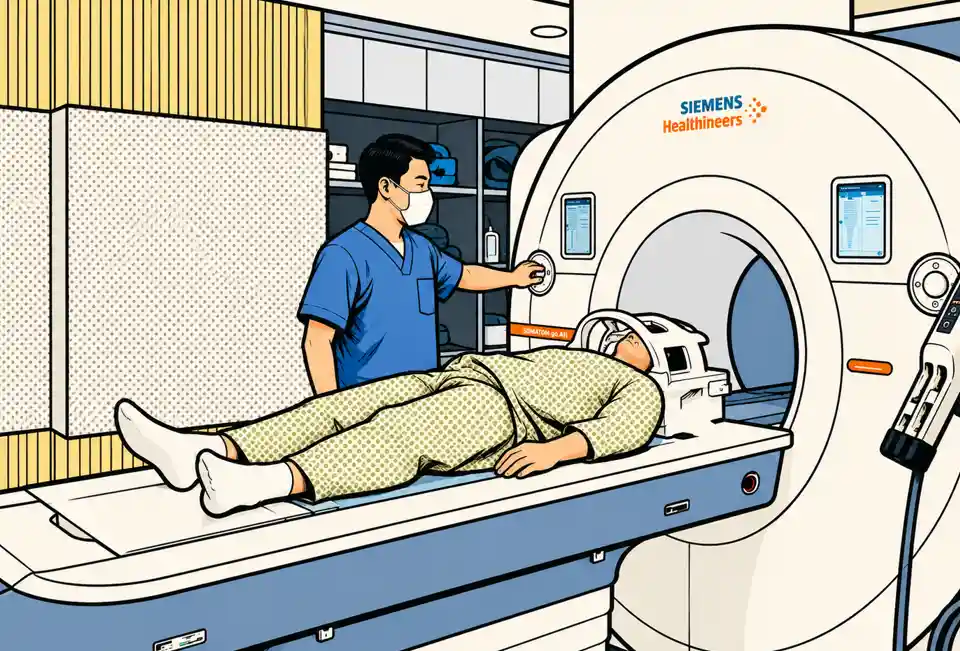

Executive Health Screening Korea is a comprehensive preventive healthcare program that combines advanced diagnostic imaging, cancer screening, cardiovascular assessment, and specialist consultations. Designed for international patients and corporate leaders, these programs help detect diseases early, assess future health risks, and support long-term wellness through personalized medical recommendations.
KoreaMedTour.com
Quick Summary
Executive Health Screening in Korea (2026) represents one of the world’s most advanced preventive healthcare systems, combining comprehensive diagnostic testing, specialist-led evaluations, advanced imaging technology, and personalized health risk assessments. Designed for international patients, executives, entrepreneurs, and high-net-worth individuals, Korea’s executive medical checkup programs provide efficient, evidence-based health screening with rapid results and internationally recognized medical standards.
Key Insights:
- Executive health screening Korea: ~$500–$5,000+ depending on package level
- Premium executive packages: ~$3,000–$10,000+
- Typical screening duration: Half day to 2 days
- MRI scan (brain/spine): Often included in premium packages
- CT scan screening: Common for cardiovascular and cancer risk assessment
- Endoscopy & colonoscopy: Frequently included in comprehensive programs
- Health report delivery: Same day to 7 days
- International patient support: Multilingual coordinators + medical concierge services
- Common conditions detected: cardiovascular disease, cancer, diabetes, fatty liver disease, thyroid disorders, metabolic syndrome
- Early cancer screening focus: stomach, colorectal, liver, lung, breast, thyroid, and prostate cancers
- Follow-up options: telemedicine consultations and digital health reports
- Cost savings vs US/Europe: Approximately 30–60% lower for comparable executive screening programs
Why It’s Effective & Trusted:
- Advanced MRI, CT, PET-CT, ultrasound, and AI-assisted diagnostic technologies
- Strong national emphasis on preventive medicine and early disease detection
- Highly trained specialists with extensive clinical screening experience
- Internationally accredited hospitals and medical centers
- Comprehensive same-day multidisciplinary evaluations
- Personalized screening protocols based on age, lifestyle, and family history
- Efficient healthcare system with significantly reduced waiting times
Clinical Advantages:
- Comprehensive assessment of overall health in a single visit
- Early detection of cancer and chronic diseases before symptoms appear
- Personalized cardiovascular and metabolic risk evaluation
- Fast turnaround for laboratory and imaging results
- High-quality care with evidence-based screening protocols
- Cost-effective compared with many Western executive health programs
- Convenient one-stop screening model for international patients
- Ideal for business executives, expatriates, medical tourists, and individuals over 40 seeking proactive health management
Best Candidates for Executive Health Screening:
- Corporate executives and senior leaders
- Entrepreneurs and business owners
- Frequent international travelers
- Individuals aged 40 and above
- Patients with a family history of cancer, heart disease, or diabetes
- High-stress professionals seeking preventive healthcare
- International patients wanting comprehensive health evaluation in a short timeframe
Expected Outcomes:
- Early identification of hidden health conditions
- Personalized preventive healthcare roadmap
- Improved long-term health planning
- Reduced risk of late-stage disease diagnosis
- Better management of cardiovascular and metabolic health
- Greater peace of mind through comprehensive medical evaluation
- Actionable lifestyle and wellness recommendations from specialists
Bottom Line:
Executive Health Screening in Korea offers a highly efficient, technology-driven, and internationally trusted approach to preventive healthcare. With advanced diagnostics, rapid results, comprehensive specialist evaluations, and competitive pricing, Korea remains one of the leading destinations for executive medical checkups and international health screening in 2026.
Table of Contents
What Is Executive Health Screening?
Executive Health Screening is a comprehensive preventive medical evaluation designed for individuals who require an in-depth assessment of their overall health status.
The primary goal is not to diagnose existing symptoms but to detect diseases early, evaluate future health risks, and optimize long-term wellness.
Executive health programs typically target:
- Corporate executives
- Business owners
- Government officials
- Frequent travelers
- Expatriates
- Medical tourists
- Individuals over age 40
- People with family histories of chronic diseases
These programs often go beyond standard annual health examinations by incorporating advanced diagnostics and specialist consultations.
Why Executive Health Screening Matters
The Shift Toward Preventive Medicine
Modern healthcare is increasingly focused on prevention rather than treatment.
Many serious conditions can remain silent for years, including:
- Cardiovascular disease
- Early-stage cancers
- Diabetes
- Fatty liver disease
- Kidney disease
- Thyroid disorders
- Osteoporosis
- Cognitive decline
Detecting these conditions before symptoms emerge can significantly improve treatment outcomes and reduce long-term healthcare costs.
Key Benefits
Executive screening helps:
✓ Identify hidden medical conditions
✓ Detect cancer at earlier stages
✓ Assess cardiovascular risk
✓ Evaluate metabolic health
✓ Improve longevity planning
✓ Reduce future medical expenses
✓ Create personalized wellness strategies
Why Korea Is a Global Leader in Executive Health Screening
Advanced Medical Technology
South Korea is internationally recognized for its highly developed healthcare infrastructure.
Many hospitals utilize:
- High-resolution MRI systems
- Multi-slice CT scanners
- PET-CT imaging
- AI-assisted radiology analysis
- Robotic diagnostic systems
- Digital pathology platforms
This technology enables detailed assessments while reducing examination time.
Fast and Efficient Medical Processes
One of Korea’s greatest advantages is efficiency.
In many countries, patients may wait weeks or months for advanced diagnostic imaging.
In Korea, executive screening programs often provide:
- Same-day testing
- Same-day specialist consultations
- Rapid laboratory results
- Comprehensive reports within days
This is particularly attractive for international patients with limited travel schedules.
Strong Cancer Screening Programs
Cancer remains one of the leading causes of death worldwide.
Korean executive health programs frequently include screening for:
- Stomach cancer
- Colorectal cancer
- Liver cancer
- Lung cancer
- Thyroid cancer
- Breast cancer
- Cervical cancer
- Prostate cancer
Korea has developed extensive expertise in early cancer detection through nationwide preventive healthcare initiatives.
International Patient Services
Many major Korean medical centers offer:
- English-speaking coordinators
- Japanese-language support
- Chinese-language support
- Russian-language support
- Arabic-language support
- Airport assistance
- Medical concierge services
- VIP executive lounges
These services help simplify the medical tourism experience.
What Is Included in an Executive Health Screening Package?
Programs vary depending on age, gender, risk factors, and hospital.
However, most executive screenings include the following components.
1. Comprehensive Medical Consultation
The process typically begins with a detailed review of:
- Medical history
- Family history
- Lifestyle habits
- Smoking history
- Alcohol consumption
- Sleep quality
- Exercise patterns
- Current medications
This information guides personalized testing recommendations.
2. Blood and Laboratory Testing
Routine laboratory analysis may include:
Metabolic Health
- Blood glucose
- HbA1c
- Insulin resistance markers
Cardiovascular Health
- Total cholesterol
- LDL cholesterol
- HDL cholesterol
- Triglycerides
Liver Function
- AST
- ALT
- GGT
Kidney Function
- Creatinine
- eGFR
- Urinalysis
Hormonal Evaluation
- Thyroid function tests
- Testosterone
- Estrogen
- Cortisol
Cancer Markers
Selected tumor markers may be included based on age and risk factors.
3. Advanced Imaging Studies
MRI
Magnetic Resonance Imaging is commonly used to evaluate:
- Brain health
- Stroke risk
- Tumors
- Spine conditions
CT Scan
Computed Tomography may assess:
- Coronary artery calcium score
- Lung health
- Abdominal organs
These studies can help identify early disease processes before symptoms appear.
Ultrasound
Common ultrasound evaluations include:
- Liver
- Thyroid
- Kidneys
- Carotid arteries
- Prostate
- Pelvic organs
Ultrasound offers detailed imaging without radiation exposure.
4. Cardiovascular Assessment
Heart disease remains a major global health concern.
Executive screening programs frequently include:
- Electrocardiogram (ECG)
- Echocardiography
- Treadmill stress testing
- Carotid ultrasound
- Coronary calcium scoring
These evaluations help estimate future cardiovascular risk.
5. Gastrointestinal Screening
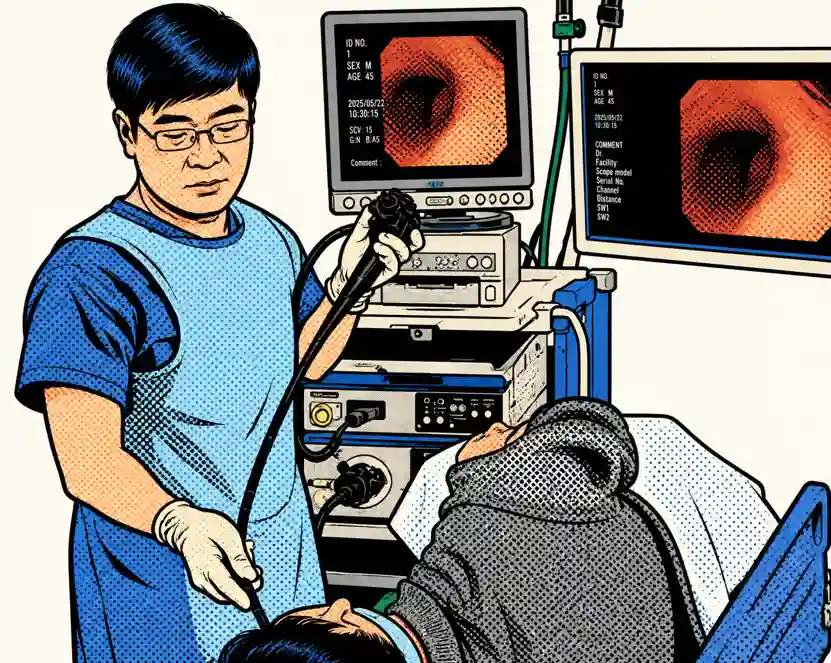
Endoscopy
Korea is globally known for advanced gastrointestinal screening.
Many executive packages include:
- Gastroscopy
- Colonoscopy
Sedation options are commonly available.
These procedures can identify:
- Polyps
- Gastritis
- Ulcers
- Early gastrointestinal cancers
6. Cancer Screening
Cancer screening recommendations are typically tailored by:
- Age
- Gender
- Family history
- Ethnicity
- Lifestyle risk factors
Men
Common screenings include:
- Prostate evaluation
- Colon cancer screening
- Liver assessment
Women
Common screenings include:
- Mammography
- Breast ultrasound
- Cervical cancer screening
- Gynecological ultrasound
Who Should Consider Executive Health Screening?

Executive screening is particularly valuable for:
Professionals Over 40
Health risks often increase significantly after age 40.
Regular advanced screening can identify disease before symptoms occur.
Frequent Business Travelers
International travel often contributes to:
- Stress
- Poor sleep
- Irregular meals
- Reduced exercise
Comprehensive screening can help monitor long-term health impact.
Individuals with Family History of Disease
Risk may increase when close relatives have:
- Cancer
- Heart disease
- Stroke
- Diabetes
- Hypertension
Enhanced screening may support earlier detection.
High-Stress Occupations
Examples include:
- CEOs
- Financial executives
- Physicians
- Attorneys
- Entrepreneurs
Chronic stress can influence cardiovascular and metabolic health.
What Happens During a Typical Executive Screening Visit?
Step 1: Pre-Arrival Assessment
Patients complete:
- Health questionnaires
- Medical history forms
- Medication lists
Programs are customized before arrival.
Step 2: Screening Day
Most examinations are completed within:
- Half day
- One day
- Two days for advanced programs
A dedicated coordinator often guides patients throughout the process.
Step 3: Specialist Review
Doctors analyze:
- Laboratory findings
- Imaging results
- Cardiovascular assessments
- Cancer screening findings
A comprehensive interpretation follows.
Step 4: Personalized Health Plan
Patients typically receive recommendations regarding:
- Nutrition
- Exercise
- Weight management
- Sleep improvement
- Stress management
- Follow-up monitoring
This preventive strategy is often the most valuable outcome of executive screening.
Advantages for International Medical Tourists
Comprehensive Care in a Single Visit
Many international patients appreciate the ability to complete multiple specialist evaluations within one coordinated program.
Competitive Costs
While pricing varies by institution and testing scope, executive screening packages in Korea are often competitively priced compared with similar programs in:
- United States
- Canada
- Australia
- United Kingdom
- Singapore
High Standards of Medical Quality
Many leading Korean hospitals maintain international accreditation and employ physicians trained in globally recognized medical institutions.
This combination of expertise and technology has contributed to Korea’s reputation as a leading medical tourism destination.
Potential Limitations to Consider
Executive screening should be individualized.
Not every advanced test is necessary for every patient.
Important considerations include:
- Age
- Existing medical conditions
- Family history
- Radiation exposure
- Evidence-based screening guidelines
Overtesting may occasionally identify incidental findings that require additional evaluation but may not represent significant disease.
For this reason, screenings should be supervised by qualified physicians.
Future Trends in Executive Health Screening (2026 and Beyond)
Several innovations are shaping the future of preventive medicine in Korea:
Artificial Intelligence
AI-assisted analysis is increasingly used to support:
- Imaging interpretation
- Risk prediction
- Personalized recommendations
Precision Medicine
Emerging programs incorporate:
- Genetic testing
- Biomarker analysis
- Individualized risk stratification
Digital Health Integration
Many institutions now provide:
- Online health portals
- Digital health records
- Telemedicine follow-up consultations
These tools improve continuity of care for international patients after returning home.
FAQ Section

What is Executive Health Screening Korea and who should consider it?
Executive Health Screening Korea is a premium preventive healthcare program that includes advanced imaging, laboratory testing, cancer screening, and specialist consultations. It is ideal for business executives, international patients, entrepreneurs, and individuals seeking a comprehensive health screening in Korea to detect diseases before symptoms develop.
Why is Executive Health Screening Korea popular among international patients?
Executive Health Screening Korea is popular because it offers world-class medical technology, fast diagnostic results, multilingual support, and comprehensive evaluations within a short timeframe. Many medical tourism health checkup Korea programs can be completed in one or two days, making them convenient for overseas visitors.
What tests are included in a Korea Executive Medical Checkup?
A Korea Executive Medical Checkup typically includes blood tests, MRI scans, CT scans, cardiovascular assessments, cancer screening, endoscopy, ultrasound examinations, and specialist consultations. The exact tests vary based on age, gender, family history, and personal health risks.
How much does Executive Health Screening Korea cost?
The cost of Executive Health Screening Korea varies depending on the hospital, diagnostic tests, and level of customization. Basic executive programs are generally more affordable than comparable services in many Western countries, while premium packages include advanced imaging and personalized health assessments.
What are the benefits of a Comprehensive Health Screening Korea program?
A Comprehensive Health Screening Korea program helps identify hidden diseases, evaluate future health risks, detect cancer at earlier stages, monitor cardiovascular health, and create personalized prevention strategies. Early detection and preventive care can improve long-term health outcomes and support healthier aging.
Key Takeaways
Executive Health Screening in Korea represents one of the most advanced preventive healthcare options available in 2026. By combining cutting-edge diagnostic technology, efficient healthcare delivery, specialist expertise, and comprehensive risk assessment, Korean executive screening programs help identify disease earlier and support long-term health optimization.
For business leaders, professionals, expatriates, and international medical tourists, these programs offer a practical opportunity to gain a detailed understanding of current health status and future risk factors. The greatest value lies not merely in detecting disease but in creating a personalized roadmap for healthier aging, improved performance, and proactive disease prevention.

Korea Med Tour – Trusted Blog for Medical Tourism in Korea
Korea Med Tour is a trusted medical tourism content platform providing accurate, research-based healthcare information for international patients considering treatment in Korea.
Our editorial team specializes in global patient guidance, treatment insights, clinic selection, and medical travel planning. All content is developed using verified medical sources and structured editorial review processes to ensure clarity, safety, and reliability.
We are committed to helping international patients make informed and confident medical travel decisions when choosing Korea as their healthcare destination.