
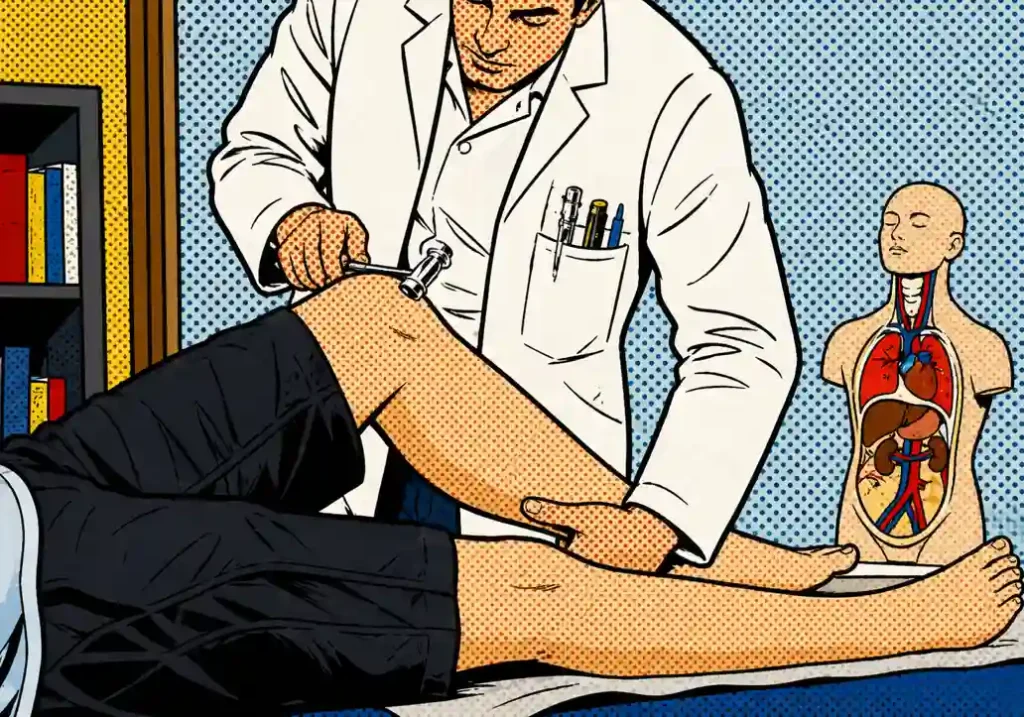

What is geriatric orthopedics in Korea? Geriatric orthopedics in Korea is specialized medical care for older adults with bone and joint conditions, using advanced minimally invasive surgery, personalized treatment plans, and structured rehabilitation to improve mobility, reduce pain, and support faster, safer recovery.
KoreaMedTour.com
Quick Summary
Geriatric orthopedics Korea (2026) is an advanced, evidence-based medical approach focused on treating age-related bone and joint conditions using minimally invasive surgery, precision diagnostics, and structured rehabilitation. Korea offers elderly patients safe, fast, and cost-effective care designed to restore mobility and independence.
Key Insights:
- Knee replacement Korea: ~$10,000–$20,000
- Hip replacement Korea: ~$12,000–$22,000
- Spine surgery Korea (minimally invasive): ~$8,000–$18,000
- Typical hospital stay: 3–7 days
- Rehabilitation duration: 4–12 weeks
- Walking after surgery: within 24–48 hours (in most cases)
- Best conditions treated: osteoarthritis, hip fractures, spinal stenosis, osteoporosis
- Pain improvement timeline: noticeable within 2–6 weeks post-treatment
- Side effects: low risk (infection, stiffness, manageable with proper care)
- International patient support: dedicated coordinators + multilingual services
- Cost savings vs US/EU: ~30–60% lower overall
Why It’s Effective & Trusted:
- Uses minimally invasive and robotic-assisted surgery for precision
- Emphasizes early mobilization to prevent complications
- Integrates diagnostics (MRI, CT, bone density scans) for accurate planning
- Provides personalized treatment based on age, frailty, and comorbidities
- Combines surgery + rehabilitation + pain management in one system
- Delivered in highly regulated, technologically advanced hospitals
Clinical Advantages:
- Safe orthopedic surgery for seniors with reduced complication rates
- Faster recovery compared to traditional methods
- Significant pain reduction and mobility improvement
- Lower hospitalization time and quicker return to daily life
- Comprehensive care including rehabilitation and fall prevention
- Ideal for chronic conditions like arthritis and osteoporosis
- Accessible, high-quality option for international elderly patients
Table of Contents

What Is Geriatric Orthopedics?
Geriatric orthopedics is a subspecialty focused on musculoskeletal conditions in patients typically aged 65 and older. Unlike general orthopedics, it considers:
- Age-related bone density loss
- Frailty and reduced healing capacity
- Multiple chronic conditions (comorbidities)
- Higher surgical risks and rehabilitation needs
Key Objective
To restore mobility, reduce pain, and maintain independence while minimizing complications.
Why Korea Is a Global Leader in Geriatric Orthopedic Care
Korea’s reputation in orthopedic medicine is driven by several factors:
1. Advanced Surgical Techniques
Korean hospitals utilize:
- Minimally invasive joint replacement
- Navigation-assisted and robotic surgery
- High-precision imaging systems
These approaches reduce:
- Blood loss
- Surgical time
- Recovery duration
2. Integrated Care Model
Patients receive coordinated treatment across:
- Orthopedic surgeons
- Geriatric specialists
- Rehabilitation therapists
- Pain management teams
This multidisciplinary approach improves outcomes, especially in frail elderly patients.
3. Fast-Track Rehabilitation Systems
Korea emphasizes early mobilization protocols, which are critical in preventing complications such as:
- Blood clots
- Muscle atrophy
- Pneumonia
4. Cost Efficiency
Compared to the U.S. or Europe, Korea offers:
- Lower surgical costs
- Shorter hospital stays
- High-quality care with modern infrastructure
Common Geriatric Orthopedic Conditions Treated in Korea
1. Osteoarthritis (Degenerative Joint Disease)
- Most common in knees and hips
- Causes cartilage breakdown and chronic pain
Treatment Options:
- Conservative: physical therapy, injections
- Surgical: total knee or hip replacement
2. Osteoporosis and Fragility Fractures
- Reduced bone density increases fracture risk
- Common sites: hip, spine, wrist
Clinical Insight:
Hip fractures in elderly patients can increase mortality risk if not treated promptly. Korea’s hospitals often perform surgery within 24–48 hours, aligning with global best practices.
3. Spinal Degeneration (Lumbar Stenosis, Herniated Disc)
- Causes nerve compression, pain, and mobility issues
Korean Approach:
- Minimally invasive spine surgery
- Endoscopic decompression techniques
- Targeted nerve treatments
4. Rotator Cuff Tears and Shoulder Disorders
- Common due to tendon degeneration
Treatment:
- Arthroscopic repair
- Reverse shoulder replacement in severe cases
5. Sarcopenia-Related Mobility Decline
- Age-related muscle loss affecting stability and recovery
Korean rehabilitation programs often include:
- Resistance training
- Nutritional support
- Fall prevention strategies
Surgical Excellence: Joint Replacement in Korea
Total Knee Replacement (TKR)
- One of the most performed procedures
- High success rates (>90% patient satisfaction globally)
Korean Advantage:
- Patient-specific implants
- Robotic-assisted alignment
- Faster recovery timelines (often walking within days)
Total Hip Replacement (THR)
- Common for fractures and severe arthritis
Clinical Practice in Korea:
- Minimally invasive approaches
- Reduced dislocation risk
- Early discharge protocols
Step-by-Step Patient Journey in Korea
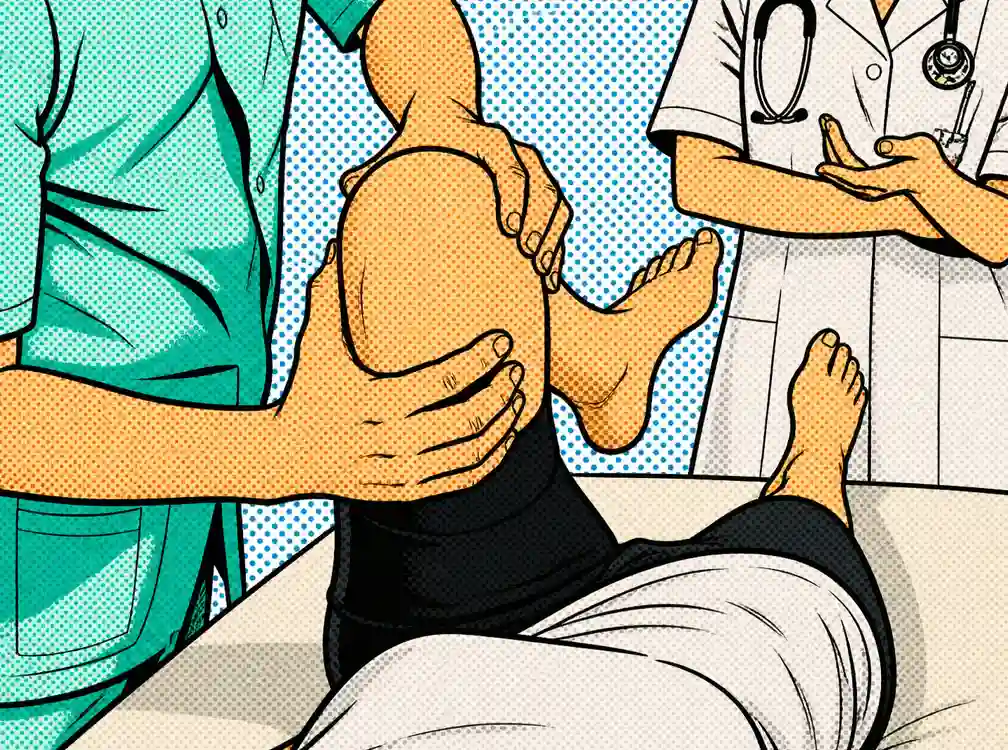
1. Initial Assessment
- Imaging (X-ray, MRI, CT)
- Bone density testing
- Functional mobility evaluation
2. Personalized Treatment Planning
Doctors consider:
- Age and frailty level
- Existing medical conditions
- Lifestyle goals (e.g., walking independence)
3. Surgery (if needed)
- Typically performed in advanced tertiary hospitals
- Average duration: 1–2 hours for joint replacements
4. Postoperative Care
- Pain management
- Infection prevention
- Early mobilization
5. Rehabilitation
- In-hospital physiotherapy
- Outpatient or specialized rehab centers
- Home exercise programs
Risks and Considerations in Elderly Orthopedic Surgery
While outcomes in Korea are strong, geriatric patients require careful evaluation.
Key Risks:
- Delayed healing
- Infection
- Cardiovascular complications
- Postoperative delirium
Risk Reduction Strategies in Korea:
- Preoperative screening (cardiac, metabolic)
- Minimally invasive techniques
- Multidisciplinary monitoring
Real-World Clinical Scenario
An 78-year-old patient with severe knee osteoarthritis may arrive with:
- Limited walking ability
- Chronic pain despite medication
Typical Korean Treatment Path:
- Imaging confirms joint degeneration
- Decision for robotic-assisted knee replacement
- Surgery performed with minimal tissue damage
- Walking begins within 24–48 hours
- Full recovery expected within 6–12 weeks
This structured pathway reflects Korea’s efficiency and emphasis on functional recovery.
Rehabilitation and Long-Term Outcomes
Rehabilitation is a cornerstone of geriatric orthopedic care.
Key Components:
- Strength training
- Balance improvement
- Gait correction
- Pain management
Outcomes:
Patients often experience:
- Significant pain reduction
- Improved mobility
- Enhanced quality of life
Preventive Strategies for Aging Populations
Korean orthopedic specialists emphasize prevention as much as treatment.
Evidence-Based Recommendations:
- Regular weight-bearing exercise
- Adequate calcium and vitamin D intake
- Fall-proof home environments
- Routine bone density screening
Cost Overview (2026 Estimate)
While prices vary by hospital and complexity:
- Knee replacement: $10,000–$20,000
- Hip replacement: $12,000–$22,000
- Minimally invasive spine surgery: $8,000–$18,000
These are generally lower than in Western healthcare systems, while maintaining high standards.
Why International Patients Choose Korea
- High surgical success rates
- Modern medical technology
- Short waiting times
- Comprehensive medical tourism support
FAQ Section

Is orthopedic surgery safe for elderly patients in Korea?
Yes, when properly evaluated, elderly patients benefit from advanced techniques and multidisciplinary care that reduce risks and improve recovery outcomes.
How long is recovery after knee replacement in Korea?
Most patients begin walking within days and recover significantly within 6–12 weeks, depending on overall health and rehabilitation.
Do Korean hospitals offer services for international patients?
Yes, many hospitals provide dedicated international clinics with translation, coordination, and post-care support.
What is the success rate of joint replacement in Korea?
Success rates are comparable to global standards, often exceeding 90% in terms of pain relief and functional improvement.
Can elderly patients avoid surgery?
In early stages, yes. Treatments include physical therapy, medications, and injections, but advanced cases may require surgical intervention.
Key Takeaways
Geriatric orthopedics in Korea represents a highly advanced, patient-centered approach to elderly musculoskeletal care. With its integration of cutting-edge technology, efficient clinical pathways, and strong rehabilitation systems, Korea offers effective solutions for aging populations seeking to maintain mobility and independence.
For patients and families navigating age-related orthopedic challenges, understanding both the clinical options and care pathways is essential—and Korea stands out as one of the most capable healthcare environments to address these needs in 2026 and beyond.

Korea Med Tour – Trusted Blog for Medical Tourism in Korea
Korea Med Tour is a trusted medical tourism content platform providing accurate, research-based healthcare information for international patients considering treatment in Korea.
Our editorial team specializes in global patient guidance, treatment insights, clinic selection, and medical travel planning. All content is developed using verified medical sources and structured editorial review processes to ensure clarity, safety, and reliability.
We are committed to helping international patients make informed and confident medical travel decisions when choosing Korea as their healthcare destination.