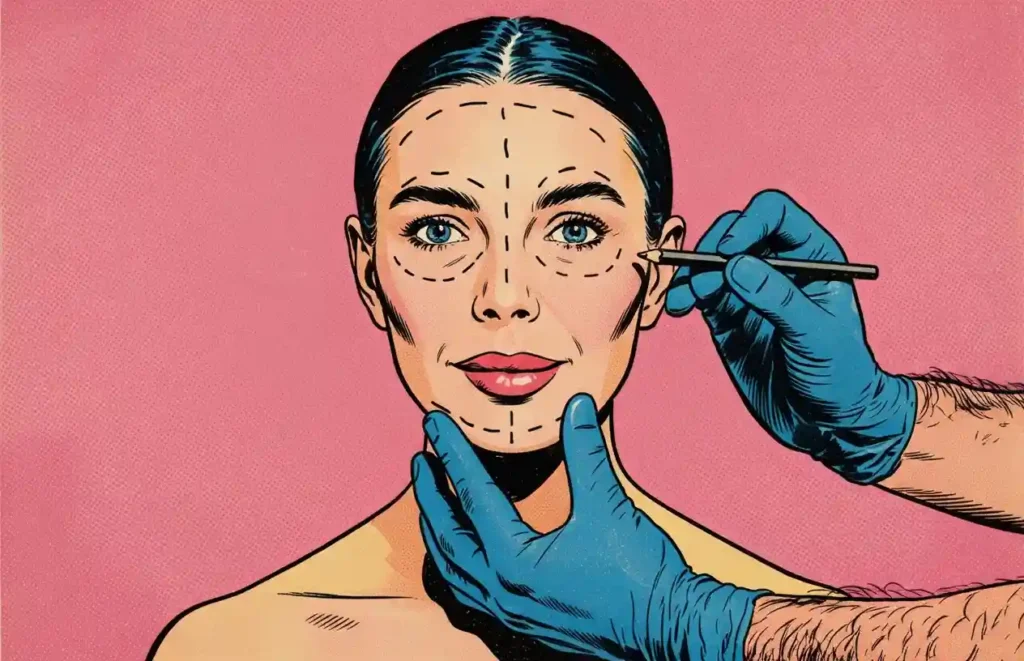
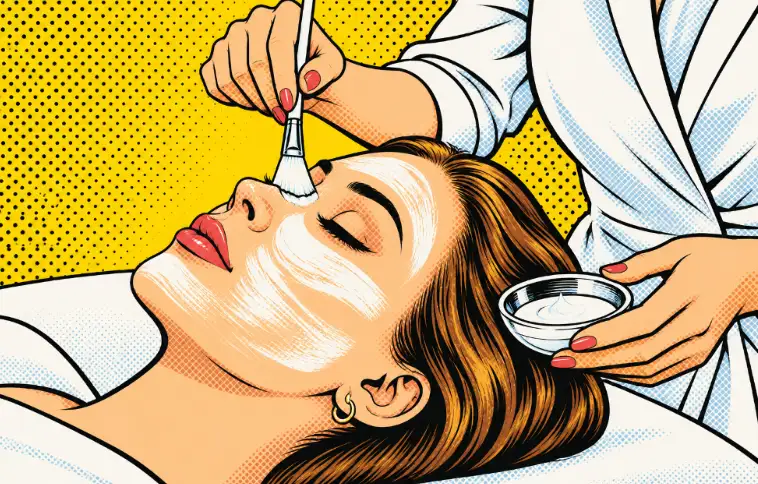

Medical skincare in Gangnam, Seoul combines dermatologist-led diagnosis with evidence-based treatments for acne, pigmentation, melasma, scarring, photoaging and other skin concerns. International patients can access topical treatments, prescription care, lasers, chemical peels and other procedures, with treatment selected according to skin type, diagnosis, risks and individual goals.
KoreaMedTour.com
Quick Summary
Medical Skincare in Gangnam, Seoul, Korea refers to dermatologist-led and evidence-based approaches for diagnosing, treating, and maintaining skin health, including acne, pigmentation, melasma, photoaging, scarring, uneven texture, redness, and other skin concerns. Treatments may involve medical skincare products, prescription medications, laser and light-based procedures, chemical peels, microneedling, and other professional dermatologic treatments. The appropriate approach depends on the skin condition, diagnosis, skin type, medical history, treatment goals, risks, and individual response.
Key Insights
- Medical skincare in Gangnam: A professional approach combining skin assessment, evidence-based skincare, medical treatments, and selected dermatology procedures
- Skin concerns: May include acne, hyperpigmentation, melasma, acne scars, uneven texture, enlarged pores, redness, sun damage, and visible signs of aging
- Skin assessment: May involve medical history, skin examination, pigmentation assessment, acne evaluation, previous treatment history, and evaluation of skin sensitivity
- Treatment selection: Diagnosis, skin type, medical history, treatment goals, potential risks, clinical evidence, and individual response should guide treatment decisions
- Medical skincare treatments: May include prescription skincare, retinoids, acne treatments, pigment-targeting therapies, chemical peels, laser treatments, light-based procedures, and microneedling
- Professional treatment: Dermatologist evaluation can help distinguish conditions such as melasma, post-inflammatory hyperpigmentation, acne, inflammatory skin conditions, and photoaging
- Skin of color: Treatment planning should consider the risk of post-inflammatory hyperpigmentation, particularly following procedures that cause significant skin inflammation
- International patients: Patients visiting Seoul should arrange consultation, diagnosis, treatment planning, cost information, scheduling, aftercare, and appropriate follow-up support
- Evidence-based approach: The newest, cheapest, or most heavily promoted treatment is not automatically the most appropriate; medical evidence, physician expertise, diagnosis, safety, and realistic expectations should guide treatment decisions
- Long-term skincare: Professional procedures should generally be supported by appropriate home skincare, skin-barrier care, and consistent sun protection
Why It’s Safe & Trusted
- Medical skincare should begin with an appropriate assessment by a qualified healthcare professional
- Consultation should identify the type, severity, duration, and potential causes of the patient’s primary skin concern
- A dermatologist may distinguish acne, melasma, post-inflammatory hyperpigmentation, inflammatory skin conditions, photoaging, scarring, and other dermatologic conditions
- Treatment should consider the patient’s age, medical history, current medications, allergies, previous procedures, skincare routine, skin type, and treatment goals
- Patients should understand whether a proposed treatment involves topical medication, prescription therapy, laser, light-based treatment, chemical peeling, microneedling, or another procedure
- Patients should ask what scientific and clinical evidence supports the specific treatment being recommended
- Patients should receive clear information about expected benefits, treatment limitations, possible side effects, downtime, and available alternatives
- Professional procedures should not automatically replace established medical treatments when prescription medication or other dermatologic care is more appropriate
- Patients should be cautious about guaranteed results, permanent claims, dramatic before-and-after promises, or unsupported claims about completely eliminating wrinkles, pigmentation, acne, or pores
- International patients should confirm how follow-up appointments, medication management, aftercare, and potential complications will be handled after returning home
- Clinics should explain realistic treatment expectations rather than guarantee permanent or complete results
- Patients should understand that many dermatologic conditions require consistent treatment and maintenance over several weeks or months
- Treatment selection should be based on clinical evidence, patient suitability, safety, and appropriate medical assessment rather than social-media trends or marketing claims
Clinical Advantages
- Professional skin diagnosis: Helps distinguish acne, melasma, post-inflammatory pigmentation, photoaging, inflammatory conditions, and other causes of skin problems
- Individualized treatment planning: Treatment can be selected according to skin condition, skin type, medical history, previous treatments, and individual goals
- Pigmentation assessment: Professional evaluation can help determine whether pigmentation is associated with melasma, inflammation, sun exposure, acne, or another cause
- Skin-barrier assessment: A clinician can identify excessive dryness, irritation, sensitivity, or barrier disruption that may affect treatment selection
- Risk assessment: Professional evaluation can identify conditions or skin characteristics that may increase the risk of irritation or post-inflammatory hyperpigmentation
- Evidence-based treatment: Established topical medications, prescription therapies, and professional procedures may be considered according to the patient’s diagnosis
- Combination planning: Skincare products, medications, procedures, and sun protection may be combined when clinically appropriate
- Treatment monitoring: Periodic evaluation can assess changes in acne, pigmentation, texture, inflammation, skin quality, and treatment response
- Long-term planning: Some conditions, including acne, melasma, and photoaging, may require ongoing treatment and maintenance
- International patient coordination: Seoul clinics serving overseas patients may provide interpretation, scheduling, treatment planning, medical documentation, and follow-up coordination
- Realistic treatment planning: A professional consultation can determine whether medical skincare, prescription treatment, laser therapy, chemical peeling, microneedling, combination treatment, or continued skincare is appropriate
- Evidence-based selection: Treatment should be based on clinical evidence and patient suitability rather than procedure popularity, celebrity promotion, or marketing claims
Best Candidates for Medical Skincare in Gangnam, Seoul
- Adults concerned about acne, pigmentation, uneven skin tone, or visible skin aging
- Patients with persistent or recurring acne
- Individuals experiencing melasma or post-inflammatory hyperpigmentation
- Patients with acne scars or uneven skin texture
- Individuals concerned about sun damage and photoaging
- Patients with enlarged pores or uneven skin appearance
- Individuals experiencing facial redness or sensitive skin
- Patients who want professional evaluation before beginning advanced skincare or dermatologic treatment
- Individuals considering laser, light-based treatment, chemical peels, or microneedling
- Patients who have previously tried conventional skincare but want to discuss additional medical options
- International patients seeking dermatology or medical skincare treatment in Gangnam, Seoul
- Patients who want to understand whether prescription skincare, professional procedures, combination treatment, or continued home care is appropriate
- Individuals who understand that treatment results vary according to diagnosis, skin type, treatment method, adherence, and individual biological response
- Patients who have realistic expectations regarding treatment timelines, downtime, maintenance, and possible treatment limitations
Additional medical evaluation may be particularly important for patients with rapidly changing skin lesions, unexplained persistent redness, painful or severe acne, sudden pigmentation changes, severe inflammation, unusual rashes, or other symptoms that may indicate an underlying dermatologic condition.
Expected Outcomes
- More accurate identification of the type and potential cause of a skin concern
- Improved assessment of pigmentation, inflammation, acne, texture, and overall skin condition
- Potential improvement in acne and inflammatory skin concerns with appropriate treatment
- Potential improvement in uneven pigmentation and skin tone in selected patients
- Potential improvement in skin texture and the appearance of selected acne scars
- Potential improvement in visible signs of photoaging with appropriate medical and preventive care
- More appropriate selection of medical skincare, prescription treatment, laser therapy, chemical peels, microneedling, or combination treatment
- Better understanding of factors that may contribute to ongoing skin problems
- Improved long-term skin management through professional assessment and monitoring
- Potential improvement in the appearance and overall quality of the skin when patients respond appropriately to treatment
- Better treatment decisions through baseline photographs, clinical assessment, and follow-up evaluation
- Reduced likelihood of inappropriate treatment selection
- Results that vary according to diagnosis, skin type, treatment protocol, medical history, adherence, and individual biological response
- Potential need for maintenance treatment because conditions such as acne, melasma, and photoaging may continue or recur
- Gradual rather than immediate changes with many medical skincare treatments
- Possible temporary redness, swelling, dryness, peeling, tenderness, irritation, or pigmentation changes depending on the procedure performed
Important: Medical skincare cannot guarantee permanent elimination of acne, pigmentation, wrinkles, scars, enlarged pores, or other skin concerns. Results depend on the underlying condition, diagnosis, treatment protocol, medical evidence, clinician expertise, adherence, skin characteristics, and individual biological response.
Bottom Line
Medical Skincare in Gangnam, Seoul, Korea is an evidence-based area of dermatologic care that combines professional skin assessment with medical skincare, prescription treatments, and selected dermatology procedures. Depending on the patient’s condition, treatment may involve acne therapy, pigmentation management, retinoids, laser or light-based procedures, chemical peels, microneedling, or other professional approaches.
For international patients, choosing a Gangnam medical skincare clinic should not be based simply on the lowest cost, newest technology, or strongest promotional claims. More important considerations include physician qualifications, accurate diagnosis, skin-type assessment, evidence supporting the specific treatment, treatment safety, realistic outcomes, aftercare, and follow-up care.
Before traveling to Seoul, patients should prepare information about their medical history, current medications, allergies, previous dermatology treatments, cosmetic procedures, current skincare products, and treatment objectives.
During consultation, patients should ask:
- What is my primary skin condition?
- What is causing or contributing to my skin concern?
- Is my skin barrier healthy enough for the proposed treatment?
- Is this treatment appropriate for my skin type?
- What evidence supports this specific treatment?
- What are the potential risks and side effects?
- What is my risk of post-inflammatory hyperpigmentation?
- How many treatment sessions may I need?
- When should I expect measurable changes?
- What is the estimated total treatment cost?
- Will I need maintenance treatment?
- What skincare products should I use or avoid?
- How should I protect my skin from UV exposure after treatment?
- Could prescription skincare or another treatment be more appropriate?
- How will follow-up care be managed if I return home?
The fundamental question should always be:
“What is the underlying cause of my skin concern, and which evidence-based treatment is appropriate for my specific skin condition?”
The best clinical approach is to evaluate diagnostic accuracy, medical evidence, physician expertise, skin type, treatment suitability, safety, expected outcomes, cost, downtime, aftercare, and long-term maintenance together.
For international patients considering medical skincare in Gangnam, Seoul, Korea, a qualified medical professional should determine the appropriate treatment after an individualized assessment and discussion of available alternatives.
Table of Contents
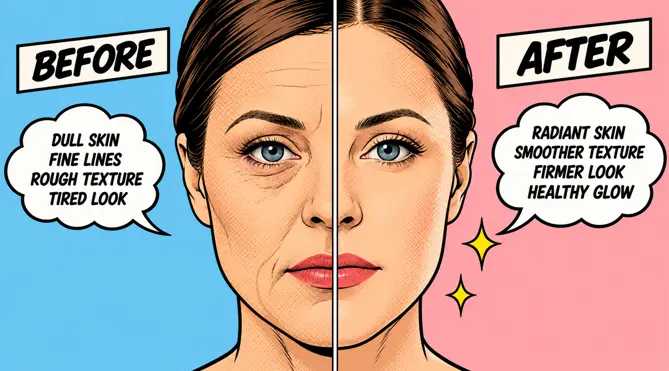
What Is Medical Skincare in Gangnam?
Medical skincare refers to dermatologist- or physician-directed care designed to diagnose, treat, prevent, or manage specific skin conditions using clinically supported skincare products, medications, and procedures.
In Gangnam, this may include a combination of:
- Dermatology consultation
- Skin condition assessment
- Prescription skincare
- Acne treatment
- Pigmentation management
- Melasma treatment
- Laser and light-based procedures
- Chemical peels
- Microneedling
- Radiofrequency treatments
- Skin rejuvenation procedures
- Medical-grade home skincare
- Long-term maintenance programs
The important distinction is that medical skincare should begin with the skin problem, not the procedure.
A patient should not necessarily start with a particular laser simply because it is popular. A dermatologist should first determine whether the concern is acne, melasma, post-inflammatory pigmentation, vascular redness, photoaging, scarring, or another condition.
Why Is Gangnam Known for Medical Skincare?
Gangnam is one of Seoul’s best-known concentrations of dermatology and aesthetic medicine clinics.
For international visitors, the area is particularly accessible because it offers a large number of clinics within a relatively concentrated urban district, along with multilingual services and experience treating overseas patients.
However, a high concentration of clinics does not mean every clinic or every treatment is appropriate for every patient.
The quality of medical skincare depends on factors such as:
- Physician assessment
- Accurate diagnosis
- Appropriate treatment selection
- Device and treatment parameters
- Skin-type considerations
- Infection-control practices
- Post-treatment care
- Long-term follow-up
For medical tourists, these factors can be more important than simply finding the lowest advertised price.
What Skin Problems Can Medical Skincare Treat?
Medical skincare in Seoul can address a wide range of concerns.
Acne
Acne develops through several interacting processes, including follicular plugging, inflammation and increased sebum production.
Evidence-based acne treatment can involve topical retinoids, benzoyl peroxide, antibiotics in selected circumstances, hormonal approaches, or other physician-directed therapies.
The American Academy of Dermatology’s updated acne guidelines strongly recommend several treatments, including topical benzoyl peroxide and topical retinoids, with combination treatment used when appropriate.
The important point is that acne treatment should address the underlying process rather than simply remove visible pimples.
Practical example
A patient with persistent inflammatory acne and dark marks may need two objectives addressed simultaneously:
Control the acne → prevent new inflammation → reduce post-inflammatory pigmentation.
Simply treating the pigmentation while allowing acne to continue can lead to new dark spots.
Medical Skincare for Hyperpigmentation
Pigmentation is one of the most common reasons international patients seek dermatology care in Seoul.
Common causes include:
- Post-inflammatory hyperpigmentation
- Melasma
- Sun-induced pigmentation
- Acne-related dark spots
- Uneven pigmentation associated with aging
These conditions should not automatically be treated with the same laser or cream.
Post-inflammatory hyperpigmentation
PIH develops after inflammation or injury stimulates increased pigment production.
Common triggers include:
- Acne
- Burns
- Inflammatory skin conditions
- Procedures
- Excessive irritation
Treating the underlying inflammation is therefore essential.
Melasma
Melasma is a chronic pigmentary disorder that can be difficult to control.
The American Academy of Dermatology notes that treatment often combines sun protection, topical medications and sometimes procedures, depending on the patient. Treatment can take months, and recurrence is possible.
This is particularly important for people considering laser treatment in Gangnam.
More aggressive treatment does not automatically produce better pigmentation results.
For some patients, excessive inflammation can worsen pigmentation.
Why Skin Type Matters in Seoul Dermatology Treatments
Skin pigmentation response varies considerably among individuals.
Patients with more melanin-rich skin may have a greater tendency to develop post-inflammatory hyperpigmentation following certain inflammatory treatments.
The American Academy of Dermatology specifically notes that irritation from retinoids can trigger hyperpigmentation in darker skin tones and recommends introducing treatment gradually when appropriate.
This principle also matters when considering:
- Lasers
- Intense pulsed light
- Chemical peels
- Microneedling
- Energy-based treatments
A treatment protocol should therefore be individualized rather than selected solely according to the patient’s desired outcome.
Medical Skincare for Skin Aging
Skin aging is influenced by both intrinsic aging and environmental exposure.
Important contributors include:
- Ultraviolet radiation
- Oxidative stress
- Collagen degradation
- Reduced skin elasticity
- Changes in skin thickness
- Repeated facial movement
- Environmental factors
UV exposure is particularly important.
The AAD notes that regular sunscreen use can help reduce premature signs of aging such as wrinkles, age spots and leathery skin.
This means that a medical anti-aging program should not focus exclusively on procedures.
A strong long-term strategy usually combines:
Photoprotection + appropriate skincare + lifestyle factors + targeted professional treatment when indicated.
What Treatments Are Commonly Discussed in Gangnam?
The specific treatments available vary by clinic, but international patients commonly encounter several categories.
1. Laser Treatments
Different lasers target different structures within the skin.
Depending on the device and indication, laser treatment may be considered for:
- Pigmentation
- Vascular redness
- Acne scars
- Texture
- Sun damage
- Selected signs of aging
The correct laser depends on the diagnosis.
A clinic recommending a laser without first identifying the condition should prompt a patient to ask additional questions.
2. Intense Pulsed Light
IPL uses a broad spectrum of light rather than a single laser wavelength.
It may be used for selected pigmentation and vascular concerns and some forms of photodamage.
However, IPL is not universally appropriate for all skin types or pigmentation disorders.
3. Chemical Peels
Chemical peels use controlled chemical exfoliation to affect specific layers of the skin.
Depending on the formulation and depth, they may be used for:
- Acne
- Pigmentation
- Uneven texture
- Photoaging
The strength and chemical composition should be selected according to the patient’s condition and skin characteristics.
4. Microneedling
Microneedling creates controlled micro-injuries in the skin to stimulate a wound-healing response.
It may be used for selected cases of:
- Acne scarring
- Uneven texture
- Fine lines
- Certain pigmentation concerns
Microneedling is not simply a cosmetic “pore treatment.” The depth, technique and indication matter.
Medical Skincare vs. Aesthetic Skincare in Gangnam
One of the most important distinctions for international visitors is understanding the difference between medical dermatology and aesthetic skincare.
| Medical Skincare | Cosmetic/Aesthetic Skincare |
|---|---|
| Diagnosis-focused | Appearance-focused |
| Physician evaluation | May involve non-medical services |
| Treats specific skin conditions | Primarily improves appearance |
| May include prescription medication | Primarily uses cosmetic products |
| Medical procedures when indicated | Beauty-oriented treatments |
| Long-term disease management | Short-term aesthetic goals |
There can be overlap.
For example, a dermatologist may treat acne medically while also addressing acne scars cosmetically.
The difference is the medical indication and level of clinical supervision.
What Should You Expect During a Gangnam Dermatology Consultation?
A well-structured consultation should begin with an assessment rather than immediately selecting a treatment package.
A typical process may involve:
Step 1: Medical History
The clinician may ask about:
- Previous dermatologic conditions
- Current medications
- Allergies
- Pregnancy or pregnancy plans when relevant
- Previous cosmetic procedures
- Current skincare products
- History of abnormal scarring
- Previous reactions to treatments
Step 2: Skin Assessment
The clinician evaluates characteristics such as:
- Pigmentation
- Inflammation
- Acne
- Texture
- Skin sensitivity
- Vascular redness
- Signs of photoaging
Step 3: Diagnosis
The practitioner determines the likely cause of the concern.
Step 4: Treatment Options
The clinician explains suitable approaches.
Step 5: Risk and Recovery Discussion
A responsible consultation should include:
- Expected downtime
- Possible adverse effects
- Number of sessions
- Maintenance requirements
- Alternative treatments
- Expected limitations
Step 6: Home Care
Professional treatment generally works best when accompanied by appropriate aftercare and photoprotection.
Why Sunscreen Is Essential After Medical Skincare
Sun protection is especially important after treatments intended to improve pigmentation or photodamage.
UV exposure can worsen pigmentation and undermine treatment outcomes.
For melasma, dermatologists commonly recommend broad-spectrum SPF 30 or higher, along with additional sun-protection measures. Tinted sunscreen containing iron oxides can also help protect against visible light, which can worsen melasma, particularly in darker skin tones.
For international visitors, this is particularly relevant because treatment results can be affected by what happens after leaving the clinic.
A sophisticated laser treatment followed by inadequate sun protection is not a complete treatment strategy.
Building a Medical Skincare Routine After Treatment
A post-treatment routine is usually intentionally simple.
Morning
- Gentle cleanser
- Recommended treatment product
- Moisturizer
- Broad-spectrum sunscreen
Evening
- Gentle cleanser
- Prescribed or recommended treatment
- Moisturizer
The routine may temporarily change after procedures.
For example, after an irritating procedure, a dermatologist may recommend temporarily reducing exfoliating acids or retinoids until the skin recovers.
Retinoids and Medical Skincare
Retinoids are among the most established topical ingredients used in dermatology.
Depending on the specific retinoid, they may help with:
- Acne
- Clogged pores
- Uneven texture
- Fine lines
- Some pigmentation concerns
The AAD explains that topical retinoids can unclog pores and reduce inflammation in acne, while retinoid products are also used for signs of photoaging and uneven skin tone.
However, retinoids can cause irritation.
A common clinical strategy is gradual introduction rather than immediately applying a strong product every night.
Pregnant patients should discuss retinoid use with their healthcare provider; the AAD advises against topical retinoids during pregnancy.
What About “Medical-Grade” Skincare Products?
The term “medical-grade skincare” is frequently used in marketing, but consumers should not assume that the phrase itself proves clinical superiority.
Instead, evaluate:
- Active ingredients
- Concentration where disclosed
- Clinical evidence
- Formulation
- Stability
- Appropriate indication
- Safety
- Professional guidance
A less expensive product containing a well-supported ingredient may be more appropriate than an expensive product with impressive marketing but limited evidence.
How Much Does Medical Skincare in Gangnam Cost?
There is no single standard price for medical skincare in Gangnam.
Costs vary according to:
- Diagnosis
- Treatment type
- Device
- Number of sessions
- Treatment area
- Clinic
- Physician involvement
- Medication
- Combination therapy
- Follow-up care
For international patients, advertised promotional prices can also differ from the final treatment plan.
Therefore, instead of asking only:
“How much does this laser cost?”
a more useful question is:
“What treatment is appropriate for my condition, how many sessions might be needed, and what is included in the total cost?”
This provides a much clearer basis for comparison.
How International Patients Can Choose a Gangnam Dermatology Clinic
International patients should consider several factors before booking.
1. Physician Credentials
Check whether a qualified physician or dermatologist evaluates your condition.
2. Diagnosis Before Treatment
A consultation should identify the underlying concern before selecting procedures.
3. Experience With Your Skin Type
Ask whether the clinic regularly treats patients with similar pigmentation characteristics and skin concerns.
4. Language Support
For overseas visitors, clear communication is important for:
- Medical history
- Consent
- Medication instructions
- Side effects
- Aftercare
- Follow-up
5. Transparent Treatment Planning
The clinic should explain why a treatment is recommended rather than simply presenting a package.
6. Aftercare
Ask what happens if redness, pigmentation or other complications develop after returning home.
A Practical 3-Stage Approach to Medical Skincare in Seoul
For an international patient traveling specifically for dermatology, a structured approach can be useful.
Before the Trip
Prepare:
- Current skincare product list
- Medication list
- Allergy information
- Previous treatment history
- Photos showing the progression of the condition
- Specific treatment goals
Avoid making major last-minute changes to your skincare routine unless medically necessary.
During the Consultation
Ask:
- What is my primary skin condition?
- Why is this treatment appropriate?
- What alternatives are available?
- What are the risks for my skin type?
- How much downtime should I expect?
- How many treatments might I need?
- What should I avoid afterward?
- What happens if I experience a complication?
After Treatment
Follow the clinic’s aftercare instructions.
Most importantly:
Protect the skin from excessive UV exposure and avoid introducing multiple new active ingredients simultaneously.
Who May Benefit Most From Medical Skincare in Gangnam?

Medical skincare may be particularly relevant for people seeking professional management of:
- Persistent acne
- Acne scars
- Melasma
- Hyperpigmentation
- Uneven skin tone
- Sun damage
- Fine lines
- Uneven texture
- Enlarged pores
- Facial redness
- Sensitive or reactive skin
However, not every concern requires a procedure.
Sometimes the most appropriate medical recommendation is a simple skincare routine and consistent sun protection.
That is an important part of evidence-based dermatology.
Medical Skincare for International Patients With Darker Skin
Patients with darker skin tones should pay particular attention to treatment-related inflammation.
The AAD notes that people with skin of color may have a higher risk of developing dark marks following acne and emphasizes early acne treatment and appropriate management.
The same principle is relevant to cosmetic procedures.
Before undergoing laser, peeling or energy-based treatment, patients should ask:
- What is my risk of post-inflammatory hyperpigmentation?
- Is this treatment appropriate for my skin type?
- What settings will be used?
- What alternatives are available?
- How will pigmentation be managed if it occurs?
These questions are more useful than simply asking whether a particular treatment is “popular in Korea.”
The Most Important Principle: Treatment Should Be Individualized
One of the biggest misconceptions about Korean medical skincare is that there is a single “Korean skincare treatment” that produces a particular appearance.
In reality, effective dermatology is individualized.
Two patients may both complain about “dark spots,” but one may have melasma while the other has post-inflammatory hyperpigmentation.
Two patients may both complain about “large pores,” but one may primarily have sebaceous activity while the other has acne-related texture or photoaging.
The treatment should therefore follow:
Diagnosis → Treatment selection → Risk assessment → Procedure or medication → Aftercare → Maintenance
rather than:
Popular treatment → Procedure → Hope for results
Medical Skincare in Gangnam: What Results Should You Expect?
Realistic expectations are essential.
Some treatments can produce visible improvement relatively quickly, while others require weeks or months.
Melasma, for example, can be particularly persistent. The AAD states that treatment may take 3 to 12 months to show results and that some patients require ongoing management.
Acne also requires patience. The AAD notes that acne treatments may take several weeks to a few months to produce noticeable improvement.
Therefore, a clinic promising dramatic permanent results after a single procedure should be evaluated carefully.
FAQ Section
What is medical skincare in Gangnam Seoul?
Medical skincare in Gangnam Seoul combines professional skin assessment with evidence-based skincare, prescription treatments and dermatology procedures. A Seoul skin clinic may provide treatments for acne, pigmentation, melasma, scarring, photoaging and other concerns, depending on the patient’s diagnosis and skin characteristics.
Why do international patients choose Gangnam dermatology clinics?
Gangnam dermatology for international patients offers access to a large concentration of clinics providing professional skin treatments and services for overseas visitors. Patients should evaluate physician qualifications, treatment indications, communication, safety protocols, aftercare and follow-up rather than choosing a clinic based only on promotional pricing.
What treatments are available for medical skincare in Gangnam?
Korean medical skincare can include prescription skincare, acne treatments, laser and light-based procedures, chemical peels, microneedling and other dermatologist-directed treatments. The appropriate procedure depends on whether the patient has acne, pigmentation, melasma, scarring, photoaging, redness or another dermatologic condition.
How much does medical skincare in Gangnam Seoul cost?
The cost of medical skincare in Gangnam Seoul varies according to the diagnosis, procedure, treatment area, equipment, number of sessions, medications and clinic. International patients should request a complete treatment plan and estimated total cost rather than comparing individual promotional treatment prices alone.
Is medical skincare in Gangnam safe for international patients?
Medical skincare in Gangnam can be appropriate for international patients when treatment is provided by qualified medical professionals and properly matched to the patient’s condition and skin type. Before treatment at a Seoul skin clinic, patients should discuss medications, allergies, previous procedures, pigmentation risks and expected recovery time.
Final Takeaway: Choosing Medical Skincare in Gangnam
Medical skincare in Gangnam, Seoul, Korea can provide international patients with access to a broad range of dermatologist-led treatments, but the most effective approach is not necessarily the most aggressive or expensive one.
The strongest strategy is based on:
Accurate diagnosis → Evidence-based treatment → Individualized settings → Skin-barrier protection → Sun protection → Consistent follow-up.
For acne, pigmentation, melasma, photoaging, scars or sensitive skin, the treatment should be selected according to the underlying condition and the patient’s skin characteristics.
For international patients considering Seoul dermatology, the most important question is therefore not simply “Which treatment is trending in Gangnam?”
It is:
“Which medically appropriate treatment is supported by evidence and suitable for my skin, with an appropriate plan for safety, recovery and long-term maintenance?”
That approach provides a much stronger foundation for achieving healthier, clearer and more sustainable skin results.
References
- Korean Dermatological Association (KDA)
Official organization representing dermatology in Korea, with information on Korean dermatology societies and professional resources. Korean Dermatological Association - Korean Dermatological Association — Member Societies
Professional dermatology organizations covering acne, photomedicine, dermatologic laser surgery, contact dermatitis, skin cancer and other specialties. KDA — Member Societies

Korea Med Tour – Trusted Blog for Medical Tourism in Korea
Korea Med Tour is a trusted medical tourism content platform providing accurate, research-based healthcare information for international patients considering treatment in Korea.
Our editorial team specializes in global patient guidance, treatment insights, clinic selection, and medical travel planning. All content is developed using verified medical sources and structured editorial review processes to ensure clarity, safety, and reliability.
We are committed to helping international patients make informed and confident medical travel decisions when choosing Korea as their healthcare destination.