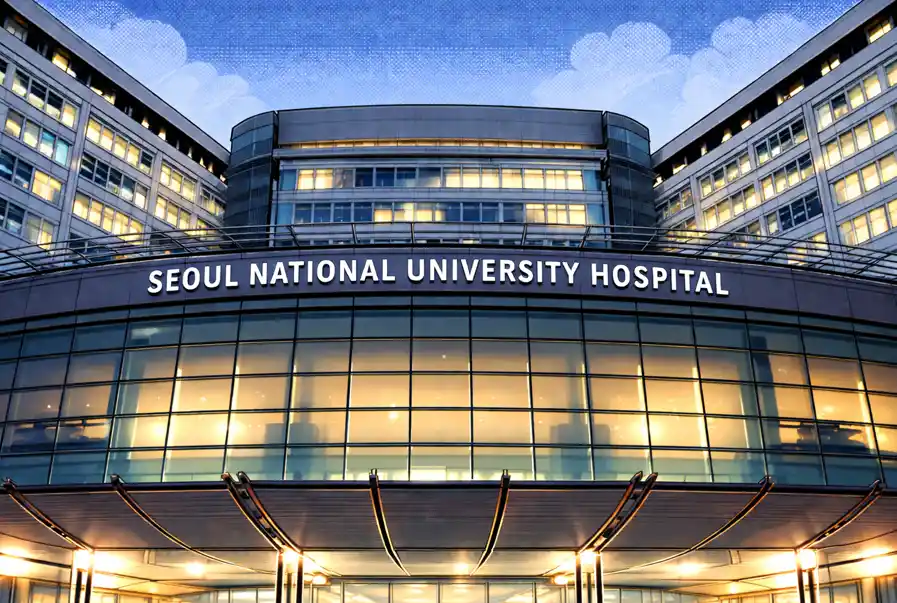
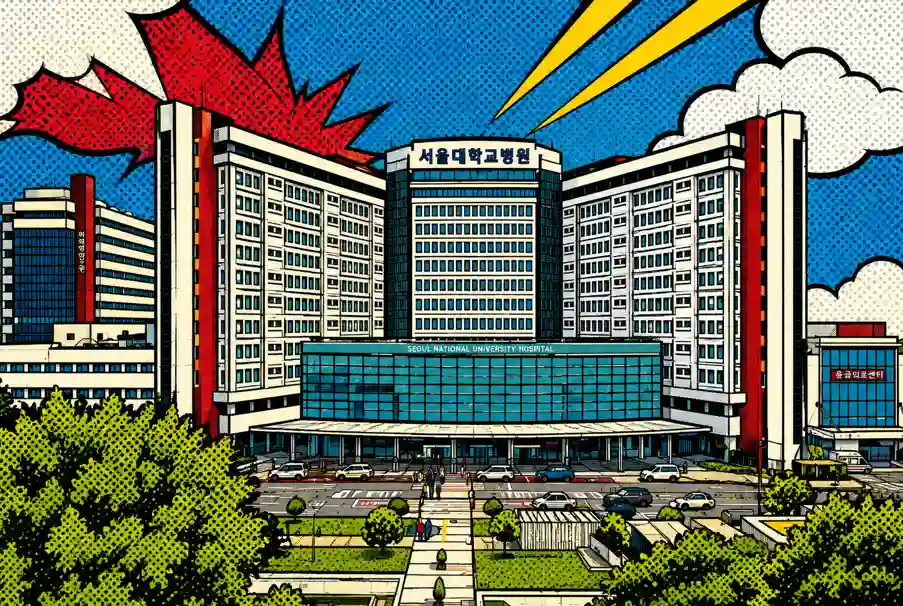
The top medical districts in Seoul include Gangnam for cosmetic surgery, Jongno for university hospitals, Seocho for executive health screenings, and Songpa for advanced tertiary care. These healthcare hubs offer international patients world-class medical technology, specialized doctors, multilingual support, and efficient treatment systems in South Korea.
KoreaMedTour.com
Quick Summary
The top medical districts in Seoul are globally recognized in 2026 for combining advanced hospital infrastructure, highly specialized physicians, cutting-edge medical technology, and efficient international patient services—making Seoul one of Asia’s leading destinations for cosmetic surgery, cancer care, health screenings, orthopedics, and precision medicine.
Key Insights:
- Gangnam is internationally known for cosmetic surgery, dermatology, anti-aging treatments, and aesthetic medicine
- Jongno and Hyehwa are home to major university hospitals specializing in cancer treatment, complex surgery, and rare diseases
- Seocho is popular for executive health screenings, preventive medicine, and comprehensive diagnostic programs
- Songpa features advanced tertiary hospitals with expertise in robotic surgery, organ transplantation, and cardiovascular care
- Yongsan and Itaewon provide foreigner-friendly clinics with multilingual medical support and international care coordination
- Seoul hospitals use advanced technologies including AI diagnostics, robotic surgery systems, smart hospital platforms, and digital healthcare integration
- International patients benefit from medical translators, airport assistance, visa support, and personalized treatment coordination
- South Korea offers cost-effective healthcare compared with many Western countries while maintaining strong patient safety and infection-control standards
- Seoul continues investing in precision medicine, regenerative therapy research, and AI-powered healthcare innovation across major medical centers
- Efficient transportation, recovery accommodations, and concentrated healthcare infrastructure make Seoul highly convenient for medical tourism in 2026
Table of Contents
What Is a Medical District?
A medical district is a concentrated healthcare zone where hospitals, specialty clinics, pharmacies, wellness centers, and patient-support services operate within the same geographic area. These districts often develop around major university hospitals or highly competitive specialty sectors.
In Seoul, medical districts typically include:
- Tertiary university hospitals
- Plastic surgery and dermatology clinics
- Dental and fertility centers
- International patient coordinators
- Medical translators
- Recovery hotels and serviced residences
- Diagnostic imaging centers
- Wellness and rehabilitation facilities
This clustering improves accessibility and allows patients to complete consultations, diagnostics, procedures, and follow-up care efficiently.
Why International Patients Choose Seoul for Medical Care
Key Advantages of Seoul’s Healthcare System
Advanced Medical Technology
South Korea is a global leader in:
- Robotic surgery
- AI-assisted diagnostics
- 3D imaging systems
- Precision oncology
- Stem-cell research
- Digital hospital infrastructure
Many hospitals in Seoul operate fully integrated electronic medical systems with rapid diagnostic turnaround times.
Highly Specialized Physicians
South Korean physicians frequently complete fellowships or collaborative research programs in the United States, Japan, or Europe. Seoul’s university hospitals are especially known for subspecialized departments rather than generalized care.
Efficient Care Coordination
Compared with many Western healthcare systems, Seoul hospitals often provide:
- Faster appointments
- Shorter diagnostic waiting periods
- Same-day imaging and laboratory tests
- Coordinated international patient programs
Strong Medical Tourism Infrastructure
Many hospitals in Seoul offer:
- English-speaking coordinators
- Airport pickup services
- Medical visa assistance
- Multilingual interpretation
- International insurance support
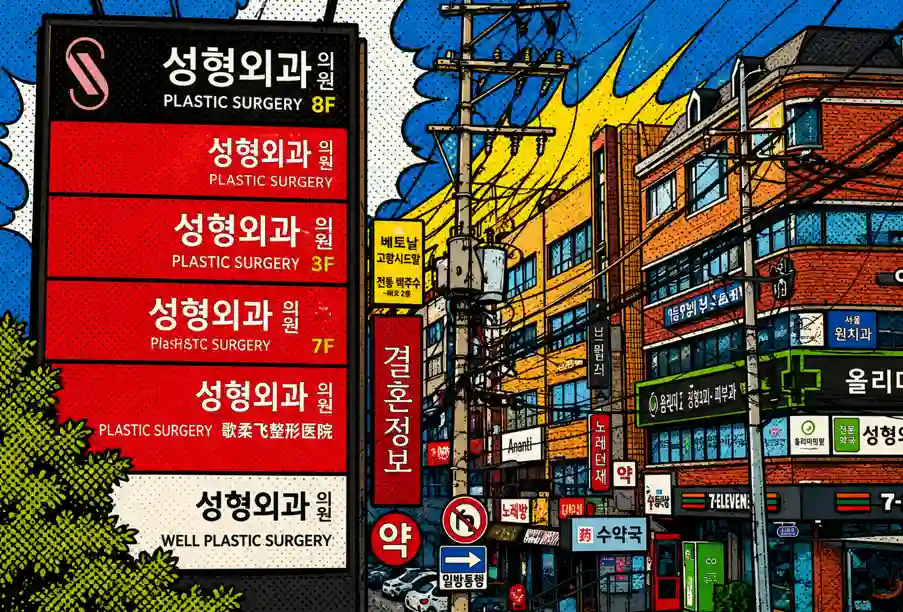
Gangnam: Seoul’s Most Famous Cosmetic Surgery District
Best For
- Plastic surgery
- Dermatology
- Anti-aging procedures
- Aesthetic medicine
- Hair transplantation
- Skincare treatments
Gangnam District is internationally known as the center of South Korea’s cosmetic medicine industry. Areas such as Apgujeong, Sinsa, and Cheongdam contain hundreds of aesthetic clinics ranging from boutique dermatology practices to globally recognized plastic surgery centers.
Common Procedures in Gangnam
- Double eyelid surgery
- Rhinoplasty
- Facial contouring
- Skin lifting
- Laser resurfacing
- Acne scar treatment
- Hairline correction
- Body contouring
Gangnam clinics are especially popular among international patients from Southeast Asia, the Middle East, China, Japan, and North America.
Advantages of Gangnam
- High concentration of specialists
- Competitive pricing due to clinic density
- Strong multilingual support
- Extensive postoperative skincare services
- Luxury recovery accommodations
Considerations
Because the area is highly commercialized, patients should carefully verify:
- Board certification
- Hospital accreditation
- Surgical experience
- Before-and-after documentation
- Emergency care capability
Patients should prioritize safety standards over marketing visibility.
Jongno and Hyehwa: Traditional University Hospital Zone
Best For
- Complex diseases
- Cancer treatment
- Organ transplantation
- Neurosurgery
- Cardiovascular medicine
- Rare diseases
Jongno District and nearby Hyehwa are home to several of Korea’s most respected university hospitals, including Seoul National University Hospital.
This district emphasizes tertiary and quaternary care rather than cosmetic medicine.
Why Patients Choose This Area
Multidisciplinary Care
University hospitals integrate:
- Internal medicine
- Surgical oncology
- Radiology
- Rehabilitation
- Pathology
- Intensive care
This structure is especially important for patients with complicated diagnoses requiring collaborative treatment planning.
Research and Clinical Trials
Major hospitals in this district often participate in:
- International oncology trials
- Precision medicine programs
- AI diagnostic research
- Advanced transplantation protocols
Strong Reputation in Cancer Care
Many international patients seek treatment here for:
- Gastrointestinal cancers
- Liver cancer
- Thyroid cancer
- Lung cancer
- Leukemia
Seocho District: Premium Health Screening and Executive Checkups
Best For
- Preventive medicine
- Executive health screening
- Comprehensive diagnostics
- Early cancer detection
- VIP medical programs
Seocho District has become a major destination for preventive healthcare and premium medical examinations.
South Korea’s comprehensive health screening culture is significantly more advanced than in many countries. Many Seoul centers provide extensive evaluations completed within a single day.
Typical Screening Services
- Full blood analysis
- MRI and CT scans
- Endoscopy and colonoscopy
- Cardiac screening
- Thyroid ultrasound
- Cancer marker testing
- Genetic risk assessments
Why International Patients Prefer Korean Health Checkups
Korean health screening centers are known for:
- Rapid scheduling
- Advanced imaging technology
- Efficient workflow
- Digital reporting systems
- Cost efficiency compared with the U.S. or Japan
These programs are especially popular among business travelers and medical tourists seeking preventive diagnostics.
Yongsan and Itaewon: International-Friendly Medical Access
Best For
- General medical care
- Expat healthcare
- Multilingual services
- International clinics
- Family medicine
Yongsan District and the Itaewon area are especially accessible for expatriates and short-term visitors.
This district contains many:
- International clinics
- English-speaking physicians
- Foreign patient coordinators
- Embassy-connected healthcare services
Advantages
- Easier communication for non-Korean speakers
- Familiar international care models
- Convenient transportation access
- Broad primary-care services
Patients seeking lower-complexity consultations or follow-up care often find this district easier to navigate initially.
Songpa District: Advanced Hospital Infrastructure and Family Care
Best For
- Advanced surgery
- Pediatric medicine
- Cardiovascular treatment
- Organ transplantation
- Long-term inpatient care
Songpa District is home to some of Korea’s largest hospital systems, including Asan Medical Center.
This district focuses heavily on:
- High-volume tertiary care
- Academic medicine
- Research-based treatment
- Complex surgery
Why It Matters
Large-volume hospitals often produce:
- Higher surgical repetition rates
- More specialized teams
- Better management protocols
- Improved outcomes for complex procedures
Songpa is especially important for patients requiring extended hospitalization or advanced postoperative care.
Mapo and Hongdae: Emerging Wellness and Dental Care Zone
Best For
- Dental tourism
- Wellness medicine
- Skin care
- Functional medicine
- Younger international travelers
Mapo District, including the Hongdae area, has emerged as a younger, wellness-focused healthcare district.
Many clinics target:
- International students
- Digital nomads
- Medical tourists seeking shorter stays
Popular Services
- Dental implants
- Orthodontics
- Teeth whitening
- Preventive skincare
- Wellness IV therapy
- Functional health consultations
The district’s vibrant tourism infrastructure also makes recovery and leisure activities more convenient.
Top 20 Hospitals in Seoul, South Korea (2026)
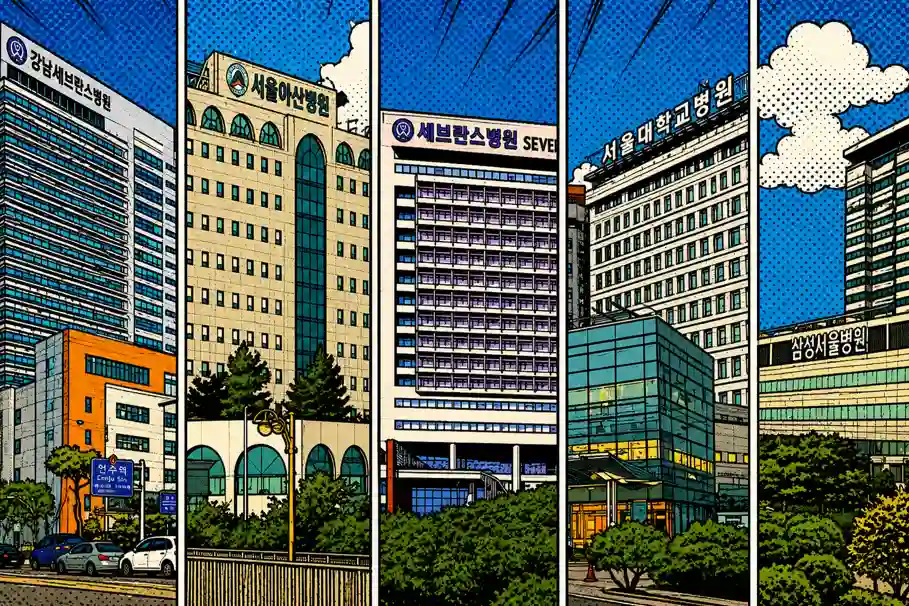
| Rank | Hospital | Main Specialty | Location |
|---|---|---|---|
| 1 | Samsung Medical Center | Cancer care, precision medicine, robotic surgery | Gangnam |
| 2 | ASAN Medical Center | Organ transplant, cardiology, oncology | Songpa |
| 3 | Yonsei University College of Medicine Severance Hospital | Cancer treatment, proton therapy, international care | Seodaemun |
| 4 | Seoul National University Hospital | Advanced tertiary care, rare diseases | Jongno |
| 5 | Seoul National University Bundang Hospital | Smart hospital systems, digital healthcare | Bundang |
| 6 | Gangnam Severance Hospital | Spine care, oncology, international medicine | Gangnam |
| 7 | Seoul St. Mary’s Hospital | Hematology, transplantation, oncology | Seocho |
| 8 | Korea University Anam Hospital | Neurosurgery, cardiovascular medicine | Seongbuk |
| 9 | Kangbuk Samsung Hospital, Samsung Medical Center | Executive health screening, preventive care | Jongno |
| 10 | Kyung Hee University Medical Center | Integrative medicine, gastroenterology | Dongdaemun |
| 11 | Konkuk University Medical Center | Digestive disease, orthopedics | Gwangjin |
| 12 | Chung-Ang University Hospital | Internal medicine, surgery | Dongjak |
| 13 | Korea University Guro Hospital | Robotics surgery, cancer care | Guro |
| 14 | Ewha Womans University Seoul Hospital | Women’s health, minimally invasive surgery | Gangseo |
| 15 | Soonchunhyang University Seoul Hospital | International healthcare, emergency medicine | Yongsan |
| 16 | Hanyang University Seoul Hospital | Cardiovascular and orthopedic care | Seongdong |
| 17 | National Cancer Center Korea | Oncology and cancer research | Goyang |
| 18 | National Medical Center | Public healthcare, trauma and emergency care | Jung-gu |
| 19 | CHA Bundang Medical Center | Fertility medicine, women’s health | Bundang |
| 20 | H+ Yangji Hospital | International health screening, emergency medicine | Gwanak |
How to Choose the Right Medical District in Seoul
1. Match the District to Your Treatment Type
| Treatment Goal | Recommended District |
|---|---|
| Plastic surgery | Gangnam |
| Cancer treatment | Jongno/Hyehwa |
| Executive health screening | Seocho |
| Expat primary care | Itaewon/Yongsan |
| Advanced surgery | Songpa |
| Dental tourism | Mapo/Hongdae |
2. Verify Hospital Accreditation
Patients should confirm:
- Korean Ministry of Health licensing
- International accreditation
- Infection-control protocols
- Emergency response systems
Internationally recognized accreditation systems may include JCI (Joint Commission International).
3. Evaluate International Patient Services
Important considerations include:
- Language support
- Medical record translation
- Payment transparency
- Visa documentation
- Telemedicine follow-up availability
4. Consider Recovery Logistics
Medical tourists should evaluate:
- Nearby hotels
- Transportation access
- Postoperative support
- Nutritional services
- Rehabilitation availability
Gangnam and Songpa generally provide the most developed recovery infrastructure.
Costs of Medical Care in Seoul
Costs vary significantly depending on hospital tier and procedure complexity.
General Pricing Trends
- Cosmetic procedures are often lower in cost than in the U.S.
- Comprehensive screenings are competitively priced compared with Western systems.
- Major surgeries at university hospitals may still be expensive but remain internationally competitive.
Patients should request:
- Written quotations
- Itemized procedure breakdowns
- Anesthesia fees
- Follow-up care costs
- Revision policy details
Safety Considerations for International Patients
Important Recommendations
- Avoid choosing clinics based solely on social media marketing.
- Request physician credentials directly.
- Confirm whether emergency transfer systems exist.
- Ensure postoperative follow-up is available after returning home.
Patients undergoing surgery should also plan adequate recovery time in Korea before international travel.
Future Trends in Seoul’s Medical Districts
Seoul’s healthcare ecosystem continues evolving rapidly through:
- AI-assisted diagnostics
- Digital twin surgical planning
- Personalized oncology
- Smart hospital automation
- Regenerative medicine research
- Remote international follow-up systems
South Korea is also investing heavily in integrated medical tourism infrastructure, combining healthcare, hospitality, wellness, and digital health platforms.
FAQ Section
What are the top medical districts in Seoul for international patients?
The top medical districts in Seoul include Gangnam for cosmetic surgery and dermatology, Jongno for university hospitals and cancer treatment, Seocho for premium health screenings, and Songpa for advanced surgeries and specialized care. These Seoul medical tourism hubs are popular among foreign patients seeking high-quality healthcare in Korea.
Why is Gangnam famous for medical tourism in Seoul?
Gangnam is one of the most recognized Seoul medical tourism districts because of its concentration of plastic surgery clinics, dermatology centers, and anti-aging specialists. International patients visit Gangnam for advanced cosmetic procedures, modern facilities, multilingual coordinators, and personalized aesthetic treatments.
Which Seoul district is best for comprehensive health checkups?
Seocho is considered one of the best districts for executive health screenings and preventive medicine in Korea healthcare for foreigners. Many hospitals and medical centers in Seocho provide same-day diagnostics, MRI scans, cancer screenings, and customized wellness programs for international patients.
Are the best hospitals in Seoul friendly to foreign patients?
Yes, many of the best hospitals in Seoul operate dedicated international patient centers with English-speaking staff, interpreters, visa assistance, and global insurance support. Major Seoul medical tourism hospitals are experienced in treating patients from the United States, Southeast Asia, the Middle East, and Europe.
How do international patients choose the right medical district in Seoul?
International patients should choose medical districts based on treatment needs, hospital specialization, language support, and recovery infrastructure. Gangnam is ideal for cosmetic surgery, Jongno for complex diseases, Songpa for advanced surgery, and Seocho for preventive healthcare and medical checkups in Korea.
Final Takeaway
Seoul’s medical districts each serve distinct healthcare needs, from Gangnam’s globally recognized cosmetic surgery sector to Songpa’s advanced tertiary hospitals and Seocho’s premium preventive medicine centers.
For international patients, selecting the correct district improves:
- Treatment quality
- Communication efficiency
- Recovery experience
- Overall medical safety
The best choice depends on the patient’s medical condition, treatment goals, budget, and desired level of international support. By understanding Seoul’s healthcare geography, medical travelers can make more informed, safer, and more effective healthcare decisions in South Korea.

Korea Med Tour – Trusted Blog for Medical Tourism in Korea
Korea Med Tour is a trusted medical tourism content platform providing accurate, research-based healthcare information for international patients considering treatment in Korea.
Our editorial team specializes in global patient guidance, treatment insights, clinic selection, and medical travel planning. All content is developed using verified medical sources and structured editorial review processes to ensure clarity, safety, and reliability.
We are committed to helping international patients make informed and confident medical travel decisions when choosing Korea as their healthcare destination.