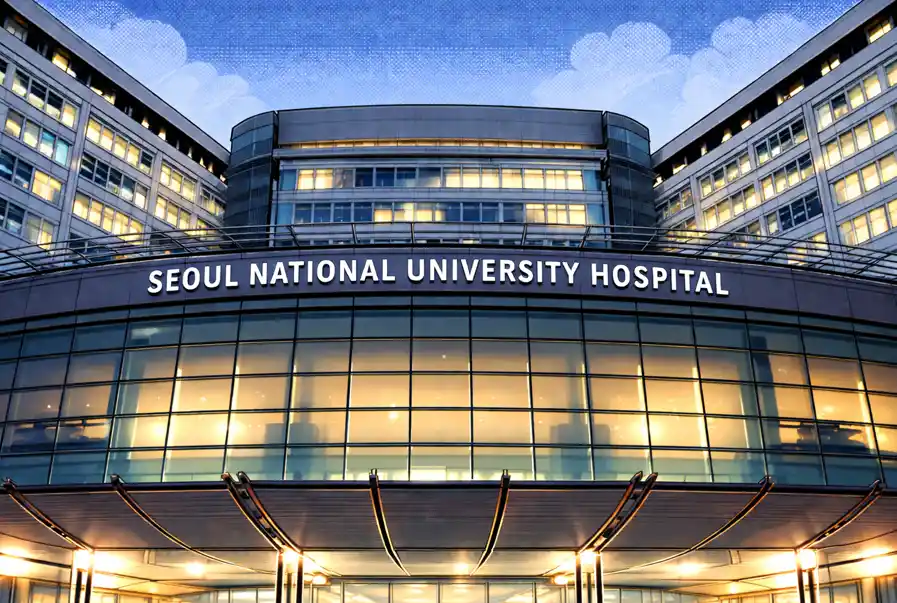

Why are Korean doctors trusted worldwide? Korean doctors are trusted worldwide because of their rigorous medical training, advanced hospital technology, high surgical experience, and evidence-based healthcare systems. South Korea is globally recognized for patient safety, medical innovation, and high-quality treatment across specialties including cosmetic surgery, dermatology, oncology, and orthopedic care.
KoreaMedTour.com
Quick Summary
Korean doctors are trusted worldwide in 2026 because of their rigorous medical education, advanced hospital technology, high surgical experience, and evidence-based healthcare systems—combining precision treatment, patient safety, and innovation across cosmetic surgery, cancer care, dermatology, orthopedics, and preventive medicine.
Key Insights:
- Highly competitive Korean medical education and specialist training systems
- Advanced smart hospitals with AI diagnostics, robotic surgery, and digital healthcare integration
- Extensive hands-on clinical experience through high patient treatment volumes
- Global reputation in cosmetic surgery, dermatology, spine care, oncology, and minimally invasive procedures
- Strong patient safety standards, infection control systems, and internationally accredited hospitals
- Cost-effective medical treatment compared with many Western healthcare systems
- Comprehensive international patient support including translation, coordination, and follow-up care
- Continuous investment in medical research, precision medicine, and healthcare innovation in Seoul and major Korean medical centers
Table of Contents

Why Korean Doctors Are Trusted Worldwide
Over the past two decades, South Korea has become one of the world’s most respected destinations for advanced medical care. International patients increasingly travel to South Korea not only for cosmetic procedures, but also for cancer treatment, orthopedics, spine surgery, fertility care, dermatology, ophthalmology, and preventive medicine.
The trust placed in Korean doctors globally is not based on marketing alone. It is built on measurable outcomes, rigorous medical education, advanced hospital systems, high procedural volume, digital healthcare integration, and internationally recognized standards of patient care. Korean physicians are particularly known for combining technical precision with modern technology and highly systemized treatment pathways.
For many patients, the appeal lies in three major factors:
- High-quality medical expertise
- Advanced medical infrastructure
- Cost-effective care compared with Western countries
As global healthcare becomes increasingly connected in 2026, Korean doctors continue to gain international recognition for delivering sophisticated, evidence-based treatment with strong patient outcomes.
What Makes Korean Doctors Trusted Worldwide?
Rigorous Medical Education and Training
One of the strongest reasons Korean doctors are respected internationally is the country’s highly competitive medical education system.
In South Korea, admission into medical school is extremely selective. Students often spend years preparing for national entrance examinations. After medical school, physicians must complete:
- National licensing examinations
- Internship training
- Residency programs
- Specialty board certification
- Ongoing continuing medical education
Specialists in fields such as plastic surgery, dermatology, oncology, orthopedics, and neurosurgery undergo intensive clinical training in high-volume university hospitals.
Why This Matters to Patients
High patient volume creates extensive hands-on experience. Korean surgeons may perform significantly more procedures annually compared with physicians in smaller healthcare systems.
For example:
- A Korean plastic surgeon may perform hundreds or thousands of facial procedures annually.
- Spine surgeons often manage large numbers of minimally invasive surgeries.
- Dermatologists routinely use advanced laser technologies on diverse skin conditions.
This repetition improves procedural precision, complication management, and overall patient outcomes.
Advanced Hospital Infrastructure
Smart Hospitals and Digital Medicine
Korean hospitals are among the most technologically advanced in the world. Major institutions integrate:
- AI-assisted diagnostics
- Robotic surgery systems
- Digital imaging
- Electronic medical records (EMR)
- Real-time monitoring systems
- Automated laboratory workflows
Large tertiary hospitals in cities such as Seoul are often compared with leading medical centers in the United States, Japan, and Europe.
Areas Where Korea Excels
Robotic Surgery
Korean surgeons widely use robotic systems for:
- Prostate cancer surgery
- Thyroid surgery
- Gynecologic procedures
- Gastrointestinal cancer treatment
Dermatology and Aesthetic Medicine
Korea is globally recognized for:
- Laser treatments
- Skin rejuvenation
- Acne scar management
- Anti-aging procedures
- Non-surgical facial contouring
Orthopedic and Spine Care
Hospitals specializing in minimally invasive spine surgery and joint replacement attract patients from:
- Southeast Asia
- Middle East countries
- Russia
- North America
High Standards of Patient Safety
Strong Regulatory Oversight
Medical licensing and hospital regulation in Korea are tightly controlled through government agencies and accreditation systems.
Many major hospitals maintain international certifications, including standards associated with:
- Patient safety
- Infection prevention
- Surgical protocols
- Medication management
- Quality assurance systems
International patients often cite the following advantages:
- Structured treatment pathways
- Detailed diagnostic processes
- Transparent imaging and laboratory reporting
- Coordinated multidisciplinary care
Infection Control and Modern Facilities
After global public health crises during the 2020s, Korean hospitals significantly strengthened infection prevention systems.
Modern facilities commonly include:
- Advanced air filtration
- Digital appointment systems
- Reduced waiting times
- Dedicated international patient centers
- Multilingual coordinators
This contributes to higher patient confidence and trust.
Korea’s Reputation in Cosmetic and Reconstructive Surgery
Why Korean Plastic Surgeons Are Globally Known
South Korea became internationally famous for cosmetic surgery because of its combination of:
- Surgical specialization
- Technological advancement
- Detailed aesthetic planning
- High procedural volume
However, international trust extends beyond beauty procedures.
Many Korean surgeons also specialize in:
- Facial reconstruction
- Trauma surgery
- Congenital deformity correction
- Microsurgery
- Burn treatment
The Importance of High Case Volume
Experience matters significantly in surgery.
A surgeon performing:
- 20 procedures annually
versus - 500 procedures annually
will likely develop different levels of technical familiarity and complication management.
Korean specialists often work in highly concentrated medical districts with large patient flows, allowing them to continuously refine techniques.
Evidence-Based Medicine and Research
Academic Strength of Korean Medicine
Leading Korean hospitals are heavily involved in:
- Clinical trials
- Biomedical research
- Cancer studies
- AI healthcare innovation
- Stem cell and regenerative medicine research
Major universities and medical centers publish research in internationally recognized journals.
Korean doctors frequently participate in:
- Global medical conferences
- International surgical workshops
- Cross-border collaborations
This continuous academic involvement helps ensure treatment methods remain current and evidence-based.
Why International Patients Feel Comfortable in Korea
International Patient Systems
One major reason patients trust Korean doctors is the healthcare experience itself.
Hospitals increasingly provide:
- English-speaking coordinators
- Translation services
- Airport pickup
- Treatment scheduling assistance
- Post-treatment follow-up systems
Patients often report that Korean hospitals feel:
- Organized
- Efficient
- Transparent
- Technology-driven
Compared with some countries where healthcare systems may feel fragmented, Korea’s coordinated care model can reduce stress for international visitors.
Cost-Effectiveness Without Major Quality Compromise
Affordable Compared With Western Countries
Medical treatment in Korea is often less expensive than in:
- The United States
- Canada
- Australia
- Certain European countries
Despite lower pricing, hospitals still maintain advanced equipment and specialist expertise.
Example Areas of Savings
| Treatment Area | Typical International Perception |
|---|---|
| Cosmetic surgery | High quality at lower cost |
| Dental implants | Advanced treatment with shorter wait times |
| Health screening | Comprehensive packages |
| Spine surgery | Advanced minimally invasive techniques |
| Dermatology | Technology-driven treatment options |
Lower operational costs and Korea’s efficient healthcare system help reduce prices without necessarily reducing quality.
The Role of Medical Tourism in Building Trust
Korea’s Medical Tourism Industry
The Korean government and healthcare sector have invested heavily in medical tourism infrastructure.
This includes:
- International patient departments
- Medical visa systems
- Global healthcare marketing
- Hospital accreditation programs
As a result, hospitals have developed strong systems specifically designed for overseas patients.
Patients from countries including:
- China
- Japan
- Thailand
- United Arab Emirates
- United States
- Kazakhstan
- Mongolia
regularly visit Korea for treatment.
This growing international patient base further strengthens global recognition of Korean doctors.
Common Misconceptions About Korean Healthcare

“Korea Only Specializes in Cosmetic Surgery”
This is one of the most common misunderstandings.
While cosmetic surgery helped build international awareness, Korean doctors are also highly respected in:
- Oncology
- Organ transplantation
- Gastroenterology
- Cardiology
- Fertility medicine
- Ophthalmology
- Orthopedic surgery
Korean hospitals increasingly appear in global rankings for overall medical excellence.
Potential Risks Patients Should Still Consider
Even though Korean doctors are widely trusted, patients should still evaluate providers carefully.
Important Considerations
Verify Credentials
Patients should confirm:
- Board certification
- Hospital affiliations
- Specialist qualifications
Avoid Price-Only Decisions
Extremely low-cost clinics may not provide the same standards as major accredited hospitals.
Understand Follow-Up Care
International patients should discuss:
- Recovery timelines
- Remote follow-up options
- Potential revision procedures
Use Licensed Medical Coordinators
Working with verified facilitators can reduce communication errors and logistical issues.
Trust should be based on:
- Qualifications
- Outcomes
- Transparency
- Communication quality
—not marketing alone.
The Future of Korean Medicine in 2026 and Beyond
AI, Precision Medicine, and Global Healthcare Expansion
Korean healthcare continues evolving rapidly through:
- Artificial intelligence diagnostics
- Precision medicine
- Robotics
- Telemedicine
- Digital health platforms
Korean doctors are increasingly collaborating with:
- International hospitals
- Global biotech firms
- Research institutions
This positions Korea as not only a medical tourism destination, but also a global healthcare innovation leader.
FAQ Section

Why are Korean doctors trusted worldwide?
Korean doctors are trusted worldwide because of their rigorous medical education, advanced healthcare technology, extensive clinical experience, and strong patient safety standards.
What makes South Korea a global leader in medical tourism?
South Korea is a global leader in medical tourism due to its modern hospitals, highly trained specialists, innovative treatments, and cost-effective healthcare services for international patients.
Are Korean hospitals advanced compared to other countries?
Yes, many Korean hospitals use AI diagnostics, robotic surgery, digital healthcare systems, and minimally invasive treatment technologies that meet international medical standards.
Which medical specialties are Korean doctors most famous for?
Korean doctors are especially recognized for cosmetic surgery, dermatology, oncology, spine surgery, orthopedic care, fertility treatment, and preventive health screening programs.
Why do international patients choose Korean healthcare?
International patients choose Korean healthcare for its experienced doctors, advanced medical facilities, shorter waiting times, personalized patient care, and competitive treatment costs.
Final Takeaway
Korean doctors are trusted worldwide because of a combination of rigorous education, high clinical experience, advanced technology, evidence-based medicine, and efficient healthcare systems.
International patients often choose Korea because they seek:
- Experienced specialists
- Advanced medical procedures
- Modern hospitals
- Coordinated patient care
- Better value for treatment costs
While no healthcare system is perfect, Korea has established a strong global reputation by consistently delivering high-quality medical care across numerous specialties.
As healthcare becomes increasingly globalized in 2026, Korean physicians continue to play an important role in shaping the future of advanced, patient-centered medicine.

Korea Med Tour – Trusted Blog for Medical Tourism in Korea
Korea Med Tour is a trusted medical tourism content platform providing accurate, research-based healthcare information for international patients considering treatment in Korea.
Our editorial team specializes in global patient guidance, treatment insights, clinic selection, and medical travel planning. All content is developed using verified medical sources and structured editorial review processes to ensure clarity, safety, and reliability.
We are committed to helping international patients make informed and confident medical travel decisions when choosing Korea as their healthcare destination.