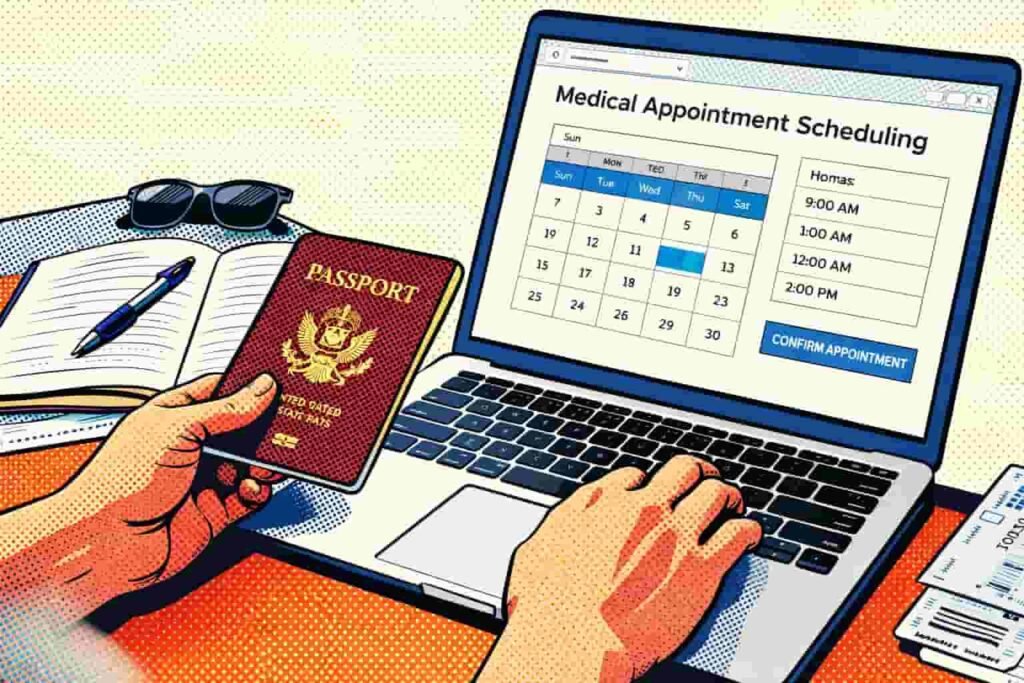
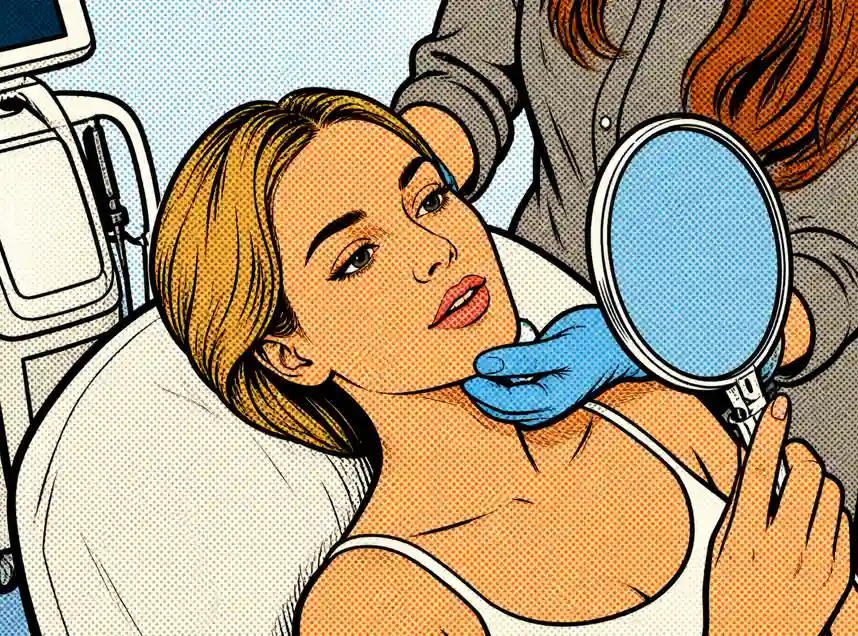

What is follow-up care Korea and how does it work? Follow-up care Korea is a structured post treatment Korea process that includes remote monitoring, telemedicine consultations, and personalized recovery plans. It ensures safe healing, early complication detection, and continuous medical support for international patients during recovery after treatment Korea, even after returning home.
KoreaMedTour.com
Quick Summary
Follow-Up Care After Treatment in Korea (2026) is structured, efficient, and designed for continuity, combining advanced telemedicine systems with expert clinical monitoring to support both local and international patients throughout recovery.
Key Advantages:
- Structured follow-up timelines with clear recovery stages
- Advanced telemedicine and remote monitoring systems
- Multilingual international patient support and coordination
- High-standard clinical protocols for safe recovery
- Seamless transition to local care with detailed medical records
Common Use Cases:
Post-surgical recovery, dermatology and aesthetic aftercare, chronic disease management, rehabilitation support, and ongoing monitoring for international patients after treatment in Korea.
Table of Contents

Why Follow-Up Care Matters After Treatment Abroad
Follow-up care is not just a routine step—it directly affects clinical outcomes. Whether the patient underwent dermatologic procedures, plastic surgery, orthopedic treatment, or internal medicine interventions, post-treatment monitoring ensures early detection of complications, proper healing, and sustained results.
In Korea, where medical tourism is highly developed, hospitals integrate follow-up care into treatment protocols. This reflects global standards aligned with organizations such as the World Health Organization (WHO) and Joint Commission International (JCI), emphasizing continuity of care across borders.
Key Objectives of Follow-Up Care
- Monitor healing progress and detect complications early
- Adjust medications or treatment plans
- Reinforce patient compliance and lifestyle guidance
- Maintain treatment results (especially in aesthetic procedures)
- Provide psychological reassurance and support
Typical Follow-Up Timeline After Treatment in Korea
The exact schedule varies depending on the procedure, but most follow-up care follows a structured timeline:
1. Immediate Post-Treatment (Day 1–7)
- Wound care instructions
- Pain and inflammation management
- Initial check-up (often before leaving Korea)
- Digital consultation setup
2. Early Recovery Phase (Week 2–4)
- Monitoring swelling, infection signs, or complications
- Stitch removal or dressing changes (if applicable)
- Photo-based assessments via secure platforms
3. Intermediate Phase (1–3 Months)
- Functional recovery evaluation
- Adjustment of medications or skincare protocols
- Rehabilitation guidance (e.g., physiotherapy)
4. Long-Term Follow-Up (3–12 Months)
- Outcome evaluation
- Scar management or maintenance treatments
- Additional procedures if needed
How Korean Clinics Manage International Follow-Up Care
Korea’s medical system has evolved to support international patients efficiently. Most leading clinics offer hybrid follow-up systems combining in-person and remote care.
1. Telemedicine & Remote Monitoring
Patients typically receive access to:
- Secure messaging apps or portals
- Scheduled video consultations
- AI-assisted symptom tracking (in advanced clinics)
This allows doctors to assess healing visually and respond quickly without requiring travel.
2. Multilingual Coordination
International departments provide:
- English, Chinese, Japanese, and Arabic-speaking coordinators
- Translation of medical records and prescriptions
- Ongoing communication between patient and physician
3. Medical Documentation for Home Country Care
Patients are usually given:
- Treatment summary reports
- Imaging results (if applicable)
- Medication lists and instructions
These documents allow local physicians to continue care safely.
Common Follow-Up Needs by Treatment Type
Aesthetic & Dermatology Procedures
Examples: laser treatments, fillers, skin resurfacing
- Skin reaction monitoring
- Sun protection and skincare regimen
- Maintenance sessions every 3–6 months
Plastic Surgery
Examples: rhinoplasty, eyelid surgery, body contouring
- Swelling and scar management
- Compression garment usage
- Long-term aesthetic outcome tracking
Orthopedic or Surgical Treatments
- Mobility and rehabilitation progress
- Physical therapy coordination
- Pain management adjustments
Chronic Disease Management
Examples: diabetes, cardiovascular care
- Medication adherence monitoring
- Lifestyle and diet adjustments
- Regular lab testing (often done locally)
Risks of Inadequate Follow-Up Care
Skipping or poorly managing follow-up can lead to:
- Infection or delayed healing
- Unsatisfactory cosmetic outcomes
- Chronic pain or functional limitations
- Medication complications
- Need for corrective procedures
Clinical studies consistently show that post-treatment adherence significantly improves long-term outcomes, especially in surgical and dermatological cases.
Practical Example (Real-World Scenario)
A patient undergoing laser skin treatment in Seoul typically:
- Receives in-clinic treatment and immediate aftercare instructions
- Returns home within a few days
- Sends weekly photos to the clinic via a secure platform
- Has a virtual consultation at 2 weeks and 1 month
- Adjusts skincare based on physician feedback
- Returns for maintenance after 6 months (optional)
This model minimizes travel while maintaining high-quality care.
How to Prepare for Follow-Up Before Leaving Korea

To ensure smooth continuity of care, patients should:
Before Departure Checklist
- Obtain all medical records and prescriptions
- Confirm follow-up schedule and communication method
- Understand warning signs that require urgent attention
- Identify a local doctor if needed
Questions to Ask Your Korean Clinic
- How often are follow-up consultations required?
- What platform is used for remote monitoring?
- Who should I contact in case of complications?
- Can you coordinate with my local physician?
Role of Technology in 2026 Follow-Up Care
Korea is at the forefront of integrating digital health into aftercare:
- AI-assisted diagnostics for skin and recovery tracking
- Wearable devices for monitoring vital signs post-surgery
- Cloud-based medical records accessible globally
- Automated reminders for medication and appointments
These innovations reduce risk and improve patient compliance.
Cost Considerations
Many Korean clinics include basic follow-up care in the treatment package. However:
- Extended consultations may incur additional fees
- Medication and local care costs vary by country
- Travel for revision procedures is usually not included
Patients should clarify what is covered upfront.
Best Practices for Optimal Recovery
To maximize results after treatment in Korea:
- Follow all medical instructions precisely
- Maintain consistent communication with your provider
- Avoid self-adjusting medications or skincare
- Attend all scheduled virtual or in-person follow-ups
- Seek immediate help if abnormal symptoms occur
FAQ Section

What is follow-up care Korea and why is it important?
Follow-up care Korea is a structured post treatment Korea process that ensures proper healing, reduces complications, and supports long-term recovery after treatment Korea, especially for international patients.
How does follow-up care Korea work after returning home?
Follow-up care Korea uses telemedicine, photo updates, and online consultations. This medical tourism aftercare Korea system allows patients to continue recovery after treatment Korea without staying in Korea.
How long is follow-up care Korea required?
Follow-up care Korea typically lasts from a few weeks to 12 months depending on the procedure. Longer post treatment Korea plans are common for surgery or complex recovery after treatment Korea.
Can I manage follow-up care Korea with my local doctor?
Yes, follow-up care Korea can be coordinated with local physicians using medical records. This ensures safe recovery after treatment Korea through shared medical tourism aftercare Korea systems.
What should I do if complications occur during follow-up care Korea?
If issues arise, contact your Korean provider immediately and seek local care. Effective follow-up care Korea helps detect problems early and improves recovery after treatment Korea outcomes.
Final Takeaway
Follow-up care after treatment in Korea is a structured, technology-driven, and patient-centered process designed to ensure safe recovery and optimal outcomes—even after returning home. With advanced telemedicine systems, multilingual coordination, and comprehensive documentation, Korean healthcare providers make it possible to maintain continuity of care across borders.
Patients who actively engage in follow-up care experience fewer complications, better results, and higher overall satisfaction. In medical travel, the procedure itself is only part of the journey—effective aftercare is what ultimately determines success.

Korea Med Tour – Trusted Blog for Medical Tourism in Korea
Korea Med Tour is a trusted medical tourism content platform providing accurate, research-based healthcare information for international patients considering treatment in Korea.
Our editorial team specializes in global patient guidance, treatment insights, clinic selection, and medical travel planning. All content is developed using verified medical sources and structured editorial review processes to ensure clarity, safety, and reliability.
We are committed to helping international patients make informed and confident medical travel decisions when choosing Korea as their healthcare destination.