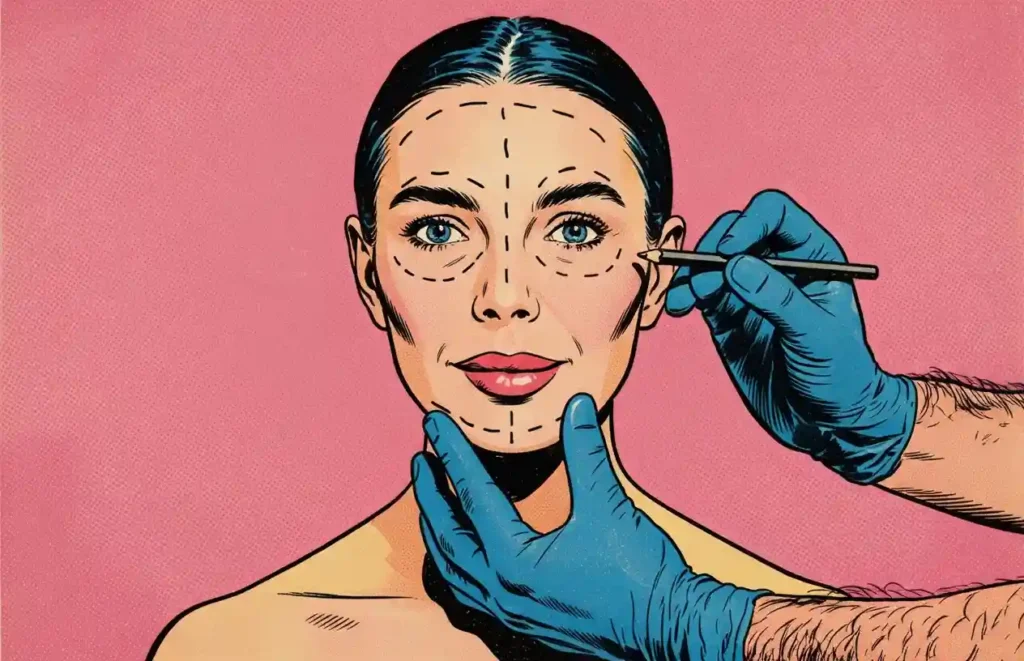


What is the best treatment for skin pigmentation in Gangnam?
KoreaMedTour.com
The best treatment for skin pigmentation in Gangnam depends on whether the condition is melasma, freckles, sun spots, or post-inflammatory hyperpigmentation. Dermatologists may recommend topical treatments, laser or light-based procedures, chemical peels, or combination therapy based on skin type, pigment depth, and recurrence risk.
Quick Summary
Skin pigmentation in Gangnam, Seoul, Korea refers to treatments for concerns such as melasma, freckles, sun spots, and post-inflammatory hyperpigmentation. Treatment may include topical medication, laser or light-based procedures, chemical peels, or combination therapy. The appropriate approach depends on the pigmentation type, skin characteristics, medical history, treatment goals, and risk of recurrence.
Key Insights
- Skin pigmentation: Uneven or excessive melanin production that can cause brown, gray, or dark areas on the skin
- Melasma: Often appears as symmetrical brown or gray-brown patches, commonly on the cheeks, forehead, nose, or upper lip
- Freckles: Small, flat pigmented spots influenced by genetics and sun exposure
- Solar lentigines: Localized pigmented spots associated with cumulative ultraviolet exposure and aging
- Post-inflammatory hyperpigmentation: Dark marks that develop after acne, inflammation, injury, or other skin irritation
- Pigmentation diagnosis: May involve medical history, skin examination, assessment of pigmentation pattern, skin type, previous treatments, and skincare products
- Pigmentation treatment: Depending on diagnosis, options may include topical medication, laser treatment, light-based procedures, chemical peels, or combination therapy
- Laser pigmentation treatment: Different laser and light technologies may be considered for selected pigmentary conditions, but treatment settings should be individualized
- Treatment selection: Pigmentation type, skin characteristics, pigment depth, medical history, treatment goals, downtime, recurrence risk, and individual response should guide treatment decisions
- International patients: Patients visiting Gangnam should arrange consultation, treatment planning, cost information, scheduling, aftercare, and follow-up support
- Important consideration: The newest, cheapest, or most heavily promoted pigmentation treatment is not automatically the most appropriate; diagnosis, medical evidence, physician expertise, safety, and realistic expectations should guide the decision
Why It’s Safe & Trusted
- Pigmentation treatment should begin with an appropriate medical assessment by a qualified healthcare professional
- Consultation should identify the type, distribution, duration, and progression of pigmentation
- A dermatologist may distinguish melasma, freckles, solar lentigines, post-inflammatory hyperpigmentation, and other pigmentary conditions
- Treatment should consider the patient’s skin type, current medications, skincare products, allergies, previous procedures, and history of pigmentation after treatment
- Laser and light-based procedures should be selected according to the specific pigmentation condition and individual skin characteristics
- Patients with darker or melanin-rich skin may require particular attention to the risk of post-inflammatory hyperpigmentation
- Patients should receive clear information about expected benefits, treatment limitations, possible side effects, downtime, recurrence, and alternatives
- Patients should not choose a pigmentation clinic solely because of exceptionally low prices, promotional claims, celebrity endorsements, or guaranteed results
- International patients should confirm how follow-up appointments, medication management, and complication care will be handled after returning home
- Clinics should explain realistic treatment expectations rather than guarantee permanent removal of pigmentation
- Melasma may require long-term management because pigmentation can recur after treatment
- Sun protection is an important component of pigmentation management and maintenance
- Treatment should address contributing factors such as UV exposure, visible light, inflammation, or skin irritation whenever relevant
Clinical Advantages
- Professional pigmentation diagnosis: Helps distinguish melasma, freckles, sun spots, post-inflammatory hyperpigmentation, and other pigmentary concerns
- Individualized treatment: Treatment can be selected according to pigmentation type, skin characteristics, medical history, previous treatment, and individual goals
- Appropriate laser selection: A dermatologist can determine whether laser or light-based treatment is suitable for the specific pigmentation concern
- Risk assessment: Professional evaluation can identify patients who may have a higher risk of post-inflammatory hyperpigmentation
- Evidence-based treatment: Established topical and procedural treatments may be considered according to the patient’s diagnosis and suitability
- Professional skin assessment: Clinical examination can identify pigmentation patterns that may not be adequately assessed from photographs alone
- Combination planning: Medical therapy may sometimes be combined with selected procedures when clinically appropriate
- Treatment monitoring: Periodic evaluation can determine whether pigmentation, inflammation, or skin response is changing
- Recurrence management: Long-term treatment planning may help manage recurrent pigmentation such as melasma
- International patient coordination: Seoul clinics serving overseas patients may provide interpretation, scheduling, treatment planning, medical documentation, and follow-up coordination
- Realistic treatment planning: A professional consultation can determine whether medication, laser, another procedure, combination treatment, or continued observation is appropriate
- Evidence-based selection: Treatment should be based on clinical evidence and patient suitability rather than social-media trends, device popularity, or marketing claims
Best Candidates for Skin Pigmentation Treatment in Gangnam, Seoul
- Adults concerned about persistent facial pigmentation
- Patients with melasma or symmetrical facial pigmentation
- Individuals with freckles or sun spots
- Patients with acne-related post-inflammatory hyperpigmentation
- Individuals whose pigmentation has not improved with basic skincare
- Patients considering laser treatment for pigmentation
- Individuals considering chemical peels or other pigmentation procedures
- Patients who have previously received pigmentation treatment but continue to experience recurrence
- Individuals who want professional evaluation before beginning a pigmentation treatment program
- International patients seeking pigmentation treatment in Seoul
- Patients who want to understand whether laser, topical medication, or combination treatment is appropriate
- Individuals who understand that treatment results vary according to pigmentation type, skin characteristics, treatment method, adherence, and individual biological response
- Patients who have realistic expectations regarding treatment timelines, downtime, maintenance, and possible recurrence
Additional medical evaluation may be particularly important for patients with a new, rapidly changing, asymmetric, irregular, bleeding, or otherwise unusual pigmented lesion.
Expected Outcomes
- More accurate identification of the type and pattern of pigmentation
- Improved management of melasma, freckles, sun spots, or post-inflammatory hyperpigmentation when the condition responds to treatment
- Potential reduction in the appearance of unwanted pigmentation
- More appropriate selection of topical medication, laser, light-based treatment, chemical peel, or combination therapy
- Better understanding of factors that may trigger or worsen pigmentation
- Improved management of sun exposure and other contributing factors
- Potential improvement in overall skin tone and appearance
- Better treatment decisions through professional assessment and treatment monitoring
- Reduced likelihood of inappropriate treatment selection
- Results that vary according to pigmentation type, skin characteristics, treatment method, medical history, adherence, and individual biological response
- Potential need for maintenance treatment because some pigmentation conditions can recur
- Gradual rather than immediate improvement with many medical pigmentation treatments
- Possible downtime, redness, swelling, peeling, temporary darkening, or other skin changes depending on the treatment performed
Important: Pigmentation treatment cannot guarantee permanent removal, completely even skin tone, or identical outcomes between patients. Results depend on the underlying condition, treatment protocol, adherence, clinician expertise, skin characteristics, environmental exposure, and individual biological response.
Bottom Line
Skin Pigmentation in Gangnam, Seoul, Korea can be treated using a range of medical approaches, including topical therapies, laser and light-based procedures, chemical peels, and combination treatment. However, the appropriate treatment depends primarily on identifying the type and cause of pigmentation rather than choosing a clinic based only on price, popularity, or the newest laser.
For international patients, choosing a Gangnam pigmentation treatment should not be based simply on the lowest cost or the newest device. More important considerations include physician qualifications, diagnostic capabilities, evidence-based treatment options, skin-type assessment, treatment safety, expected downtime, realistic outcomes, and follow-up care.
Before traveling to Seoul, patients should prepare information about their medical history, current medications, previous pigmentation treatments, allergies, skincare products, previous cosmetic procedures, sun exposure, and treatment objectives.
During consultation, patients should ask:
- What type of pigmentation do I have?
- Is it melasma, freckles, sun spots, or post-inflammatory hyperpigmentation?
- What may be causing or worsening the pigmentation?
- Is laser treatment appropriate for my skin?
- Which treatment is recommended and why?
- What are the risks of post-inflammatory hyperpigmentation?
- What type of laser or procedure is being used?
- How much downtime should I expect?
- How many treatment sessions may I need?
- What is the estimated total treatment cost?
- Will I need maintenance treatment?
- How should I protect my skin after treatment?
- What happens if the pigmentation becomes darker after treatment?
- How will follow-up care be managed if I return home?
The fundamental question should always be:
“What type of pigmentation do I have, and is the proposed treatment appropriate for my specific skin condition?”
The best clinical approach is to evaluate diagnostic accuracy, medical evidence, physician expertise, treatment suitability, skin-type risk, safety, expected outcomes, cost, downtime, and long-term maintenance together.
For international patients considering skin pigmentation treatment in Gangnam, Seoul, Korea, a qualified medical professional should determine the appropriate treatment after an individualized assessment and discussion of available alternatives.
Table of Contents

What Is Skin Pigmentation?
Skin pigmentation refers to changes in the amount or distribution of melanin, the pigment responsible for skin, hair, and eye color.
When melanocytes—the cells that produce melanin—become more active or pigment accumulates unevenly, darker areas can appear on the skin.
Common forms include:
| Type | Typical appearance | Common causes |
|---|---|---|
| Melasma | Brown or gray-brown patches, often symmetrical | UV exposure, visible light, hormones, genetics |
| Freckles | Small, flat brown spots | Genetics and sun exposure |
| Solar lentigines | More defined brown spots | Cumulative UV exposure and aging |
| Post-inflammatory hyperpigmentation | Dark marks following acne, injury, or inflammation | Inflammation and melanocyte activation |
| Acne-related pigmentation | Brown or dark marks after acne | Inflammation |
| Mixed pigmentation | Multiple patterns occurring together | Aging, sun exposure, inflammation and other factors |
This distinction matters because melasma should not be approached in exactly the same way as an isolated sun spot or an acne mark.
For example, a patient with a few superficial lentigines may be considered for a pigment-targeting laser, while someone with melasma may need long-term photoprotection and topical treatment, with procedures used selectively. An international expert consensus published in 2025 emphasized photoprotection and medically supervised topical therapy for melasma, with lasers generally reserved for more resistant cases.
Why Is Gangnam Popular for Pigmentation Treatment?
Gangnam is one of Seoul’s largest concentrations of dermatology and aesthetic medicine providers.
The Korea Tourism Organization describes Korean dermatology as including customized laser treatment based on skin type, with pigmentation, freckles, scars, redness, acne and skin rejuvenation among common treatment areas.
For international visitors, another practical advantage is accessibility. Some Gangnam clinics provide multilingual consultation and interpretation services. For example, Korea Tourism Organization listings identify Gangnam clinics offering English, Japanese and Chinese interpretation for international patients.
However, the concentration of clinics also means that patients can encounter very different treatment philosophies, equipment combinations and consultation processes.
A high-quality pigmentation consultation should explain why a particular treatment is being recommended—not simply which laser is available.
What Causes Facial Pigmentation?
Pigmentation is usually the result of several interacting factors rather than one single cause.
1. Ultraviolet Radiation
UV exposure stimulates melanin production and can worsen existing pigmentation.
Repeated sun exposure can therefore make freckles, lentigines and melasma more noticeable.
Daily broad-spectrum sunscreen is an important part of pigmentation management, not merely an aftercare recommendation. The American Academy of Dermatology recommends broad-spectrum, water-resistant sunscreen with SPF 30 or higher and emphasizes regular reapplication.
2. Visible Light
Melasma is not influenced only by UV radiation.
Visible light can also worsen melasma, particularly in people with darker skin tones. The AAD recommends considering a tinted sunscreen containing iron oxides to provide protection against visible light.
This is an important distinction for international patients because simply increasing laser intensity without controlling environmental triggers can produce disappointing long-term results.
3. Hormonal Factors
Melasma is sometimes associated with hormonal influences, including pregnancy and hormonal medications.
This is one reason melasma can behave differently from a conventional sun spot.
4. Inflammation
Acne, eczema, irritation, burns, aggressive cosmetic procedures and other inflammatory processes can activate melanocytes.
This can produce post-inflammatory hyperpigmentation, particularly in individuals with more melanin-rich skin.
5. Skin Aging
Over time, cumulative UV exposure can contribute to localized pigmentation such as solar lentigines.
Is Laser Treatment the Best Treatment for Pigmentation?
Not necessarily.
This is one of the most important points for anyone searching for pigmentation treatment in Seoul.
Laser and light-based procedures can be useful for selected pigmentary disorders, but the correct treatment depends on the diagnosis, skin type, pigmentation depth and likelihood of inflammation.
The AAD notes that laser procedures can be used for several pigmentary conditions, including age spots and melasma, but also emphasizes that darker skin is more susceptible to burns and dark marks after laser treatment.
For melasma specifically, a 2025 international Delphi consensus placed strong emphasis on photoprotection and medically supervised topical treatment, while suggesting that lasers be considered mainly for refractory cases.
Therefore:
Pigmentation treatment ≠ automatically laser treatment.
A better clinical sequence is:
Diagnosis → skin assessment → trigger control → topical treatment when appropriate → procedure selection → aftercare → maintenance
Common Pigmentation Treatments in Gangnam
1. Low-Energy Pigment Laser Treatments
Some Korean dermatology clinics offer low-energy laser protocols designed to gradually improve overall pigmentation and skin tone.
Korea Tourism Organization currently lists pigmentation-focused programs in Gangnam using low-energy pigment and tone-improving lasers, some designed around relatively short treatment sessions and minimal downtime.
These approaches may be attractive to travelers who want a treatment that fits into a Seoul itinerary.
However, “low downtime” does not mean “risk-free.” Appropriate settings still depend on the patient’s skin and diagnosis.
2. Q-Switched and Pigment-Specific Laser Approaches
Q-switched laser technology has historically been used for various pigmentary lesions.
Depending on the wavelength and treatment parameters, laser energy can target pigment-containing structures.
The important clinical question is not simply:
“Does this clinic have a Q-switched laser?”
Instead, ask:
“What type of pigmentation are you treating, and why is this wavelength and energy level appropriate for my skin?”
3. Picosecond Laser
Picosecond technology delivers extremely short laser pulses and is used in dermatology for selected pigmentary concerns and other indications.
Clinics may market different picosecond platforms under individual brand names.
Patients should remember that the device name alone does not determine the result.
Treatment parameters, diagnosis, operator experience, skin characteristics and aftercare can all affect outcomes.
4. IPL and Light-Based Treatments
Intense pulsed light (IPL) uses a broad spectrum of light rather than a single laser wavelength.
It can be used for certain pigmentation and vascular concerns, but it is not appropriate for every type of melasma or pigmentation.
A physician should determine whether the patient’s pigmentation pattern is suitable before treatment.
5. Chemical Peels
Chemical peeling can be used as part of a pigmentation treatment strategy.
Depending on the peeling agent and concentration, treatment can influence epidermal turnover and pigmentation.
However, excessive irritation can worsen pigmentation in susceptible individuals.
The 2025 international melasma consensus identified chemical peels and microneedling as possible adjunctive procedures, rather than universally appropriate first-line treatments.
6. Prescription and Topical Treatments
For melasma, topical therapy remains particularly important.
Depending on the diagnosis and country-specific prescribing rules, dermatologists may use agents such as:
- Hydroquinone
- Tretinoin
- Corticosteroids in specific combinations
- Azelaic acid
- Kojic acid
- Other pigment-modulating ingredients
The AAD describes hydroquinone and prescription combinations containing tretinoin and other agents among established approaches for melasma.
The 2025 international consensus also identified supervised hydroquinone-based triple combination therapy as a key treatment option.
These medications should be used under appropriate medical supervision rather than treating pigmentation indefinitely on one’s own.
Why Skin Type Matters Before a Laser Treatment
One of the most important considerations is the patient’s baseline pigmentation.
Individuals with darker skin tones can have a higher risk of post-inflammatory hyperpigmentation after laser treatment.
That does not mean people with darker skin cannot receive laser treatments.
Rather, it means the treatment should be appropriately selected and calibrated.
The AAD specifically recommends working with a dermatologist experienced in treating darker skin with lasers because of the increased risk of burns and dark marks following treatment.
A practical example
Consider two patients:
Patient A:
A 45-year-old patient has several clearly defined sun spots on the cheeks.
Patient B:
A 35-year-old patient has symmetrical brown patches across the cheeks and upper lip that become darker during summer.
Although both patients may describe their problem as “facial pigmentation,” their conditions may be very different.
Patient A may have solar lentigines.
Patient B may have melasma.
Using the same treatment protocol for both would not necessarily make clinical sense.
What Should You Expect During a Gangnam Pigmentation Consultation?
A proper consultation should involve more than choosing a package from a menu.
Step 1: Medical and Skin History
The physician may ask about:
- Previous pigmentation treatments
- Acne or eczema
- Pregnancy or hormonal factors
- Medications
- Skin-care products
- Sun exposure
- Previous laser treatments
- History of abnormal pigmentation after procedures
Step 2: Visual Examination
The clinician evaluates:
- Color
- Distribution
- Symmetry
- Borders
- Depth
- Associated redness or inflammation
- Skin tone
Step 3: Diagnosis
The objective is to distinguish between conditions such as:
- Melasma
- Freckles
- Solar lentigines
- PIH
- Other pigmentary disorders
Step 4: Treatment Planning
Only after the diagnosis should the physician determine whether the appropriate approach involves:
topicals, sunscreen, laser, IPL, peeling, combination therapy, or observation.
How Many Pigmentation Treatments Are Needed?
There is no medically reliable universal number of sessions.
The required treatment frequency depends on:
- The diagnosis
- Pigment depth
- Skin type
- Treatment modality
- Energy settings
- Previous treatments
- Sun exposure
- Whether pigmentation is recurrent
- Individual healing response
A clinic promising that one specific procedure will permanently remove all pigmentation should therefore be approached carefully.
Pigmentation—especially melasma—is often a management condition rather than a one-time problem.
The AAD notes that sunlight can darken existing melasma and contribute to recurrence, which is why continued sun protection remains important even after treatment.
Does Pigmentation Come Back After Treatment?
It can.
This is particularly relevant to melasma.
Treatment can reduce visible pigmentation, but the biological tendency toward pigment production may remain.
That is why a successful long-term strategy usually includes:
- Sun protection
- Trigger management
- Appropriate skin care
- Medical treatment when indicated
- Maintenance treatment
- Periodic reassessment
In other words, removing visible pigment and controlling the factors that cause pigment are two different objectives.
What Should International Patients Know Before Visiting Gangnam?

Gangnam is highly accessible for international medical travelers, and Korean dermatology clinics increasingly provide multilingual services. Korea Tourism Organization listings currently identify clinics offering interpretation and international-patient services.
Nevertheless, international patients should prepare several pieces of information before their appointment.
Bring a list of:
- Current medications
- Prescription creams
- Skin-care products
- Previous laser procedures
- Allergies
- History of pigmentation after treatment
- Recent sun exposure
Ask the clinic:
- What is my likely diagnosis?
- Is this melasma, a sun spot, PIH, or another condition?
- Is the pigment superficial or deeper?
- Why are you recommending this particular treatment?
- What are the risks for my skin tone?
- How much downtime should I expect?
- What should I stop using before treatment?
- What aftercare is required?
- How should I manage sun exposure?
- What happens if the pigmentation becomes darker after treatment?
These questions can produce a much more meaningful consultation than simply asking, “Which laser is cheapest?”
Pigmentation Treatment and Skin of Color
Patients with Asian, Middle Eastern, South Asian, African, Latin American and other melanin-rich skin tones should not assume that a stronger treatment will produce faster results.
Inflammation itself can stimulate additional pigmentation.
Therefore, treatment intensity must be balanced against the risk of PIH.
This is especially relevant for:
- Melasma
- Acne-related pigmentation
- PIH
- Darker Fitzpatrick skin types
- Patients with a previous history of pigmentation after procedures
The AAD specifically highlights increased risks of burns and dark marks after laser procedures in darker skin and recommends treatment by clinicians experienced with these skin types.
How to Protect Your Skin After Pigmentation Treatment
After treatment, protecting the skin from sunlight is essential.
The AAD recommends:
- Broad-spectrum SPF 30 or higher
- Reapplication at least every two hours when outdoors
- Protective clothing
- Shade when possible
- Avoiding tanning beds
- Gentle, fragrance-free skin care
For melasma, tinted sunscreen containing iron oxide can provide additional protection against visible light.
Patients should also avoid introducing multiple irritating products immediately after a procedure unless specifically instructed by their clinician.
How to Choose a Pigmentation Clinic in Gangnam
Instead of selecting a clinic solely by price or laser brand, consider these criteria:
1. Physician-led diagnosis
Pigmentation should be medically assessed before treatment.
2. Experience with your skin tone
This is particularly important if you are prone to PIH.
3. Individualized treatment settings
A standardized package may not be appropriate for every patient.
4. Clear explanation of risks
A professional consultation should explain possible redness, irritation, temporary darkening, PIH, recurrence and other relevant risks.
5. Aftercare instructions
Good pigmentation management continues after the procedure.
6. International-patient communication
For overseas visitors, language support can reduce misunderstandings regarding medications, downtime and aftercare. Several Gangnam clinics listed by Korea Tourism Organization provide multilingual services.
FAQ Section
What is the best skin pigmentation treatment in Gangnam?
The best skin pigmentation treatment in Gangnam depends on the diagnosis. Melasma, freckles, sun spots, and post-inflammatory hyperpigmentation can require different approaches, including topical medication, laser treatment, light-based procedures, or combination therapy.
Is laser treatment effective for skin pigmentation in Gangnam?
Pigmentation laser treatment in Gangnam can improve certain types of pigmentation, particularly selected superficial pigmented lesions. However, laser treatment is not appropriate for every condition. A dermatologist should consider skin type, pigment depth, diagnosis, and the risk of post-inflammatory hyperpigmentation.
What is the difference between melasma and other pigmentation?
Melasma treatment in Gangnam differs from treatment for freckles or sun spots because melasma is a chronic pigmentary condition that can be influenced by sunlight, visible light, hormones, and inflammation. Long-term sun protection and medical management are often important.
How much does pigmentation laser treatment cost in Seoul?
The cost of pigmentation laser treatment in Seoul varies according to the type of laser, treatment area, number of sessions, clinic, physician involvement, and whether other treatments are included. Patients should compare the complete treatment plan rather than looking only at promotional prices.
Is Gangnam a good place for pigmentation treatment in Korea?
Gangnam has a high concentration of dermatology and aesthetic medicine clinics offering skin pigmentation treatment in Korea, including laser, light-based and topical approaches. International patients should prioritize appropriate diagnosis, physician experience, individualized settings, safety information, and aftercare rather than choosing solely by price or equipment brand.
Final Takeaway: Skin Pigmentation in Gangnam, Seoul
Gangnam offers a wide range of dermatology and pigmentation treatments, including laser and light-based procedures, topical therapies, chemical peels and combination approaches. But the most appropriate treatment depends on the type of pigmentation—not simply the availability of a particular laser.
For patients considering pigmentation treatment in Seoul, the most useful approach is to think in terms of diagnosis → risk assessment → treatment selection → aftercare → maintenance.
Melasma, freckles, sun spots and post-inflammatory pigmentation can look similar to a non-specialist but may require very different management. Current expert recommendations particularly emphasize rigorous photoprotection and appropriate medical therapy for melasma, while procedural treatments such as lasers should be selected carefully, especially in patients at higher risk of post-inflammatory pigmentation.
For international patients, Gangnam’s concentration of dermatology clinics and multilingual services can make Seoul a convenient location for evaluation and treatment. However, the quality of the medical assessment and individualized treatment plan is more important than choosing a clinic because it offers the newest-sounding laser or the lowest advertised price.
References
- American Academy of Dermatology (AAD) — Melasma: Diagnosis and Treatment
Diagnosis, individualized treatment, sun protection, topical medications, chemical peels, microneedling, and laser/light-based treatment considerations.
AAD: Melasma — Diagnosis and Treatment - Global Consensus on the Management of Melanin Hyperpigmentation Disorders
International consensus covering melasma, post-inflammatory hyperpigmentation, freckles, photodamage, skin type, photoprotection, topical treatments, chemical peels, lasers, and IPL.
PubMed: Global Consensus on Melanin Hyperpigmentation Disorders

Korea Med Tour – Trusted Blog for Medical Tourism in Korea
Korea Med Tour is a trusted medical tourism content platform providing accurate, research-based healthcare information for international patients considering treatment in Korea.
Our editorial team specializes in global patient guidance, treatment insights, clinic selection, and medical travel planning. All content is developed using verified medical sources and structured editorial review processes to ensure clarity, safety, and reliability.
We are committed to helping international patients make informed and confident medical travel decisions when choosing Korea as their healthcare destination.