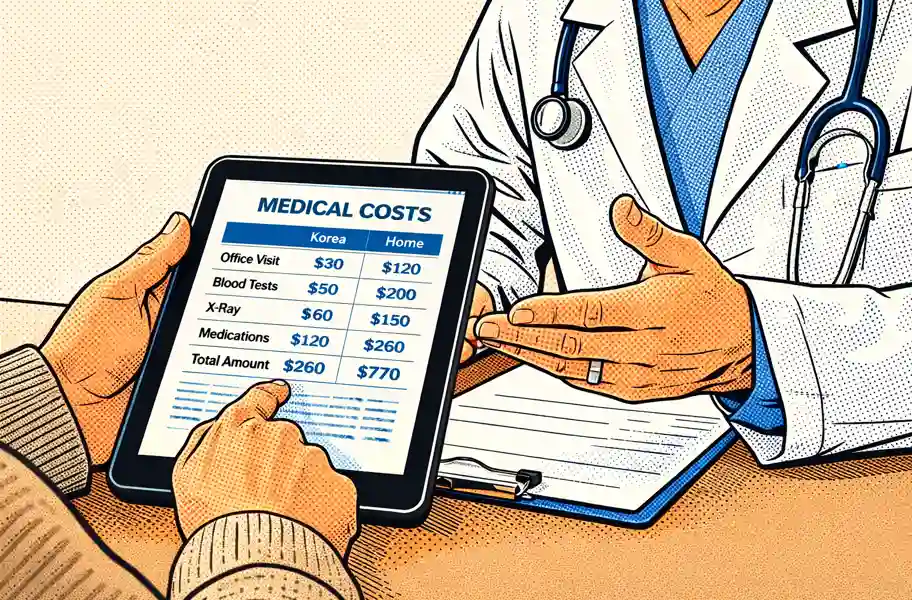
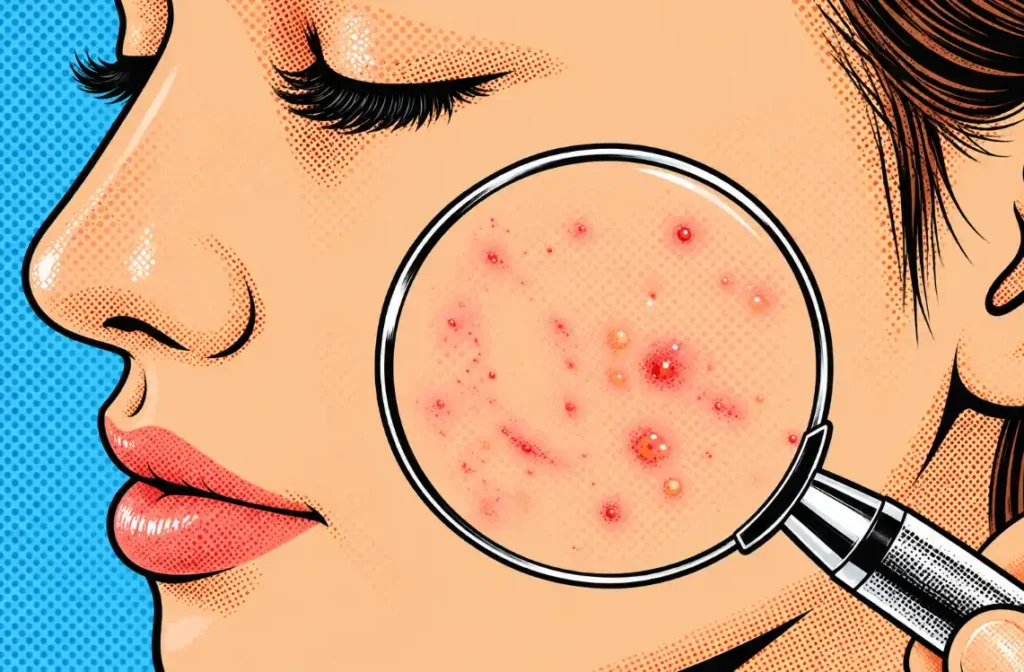

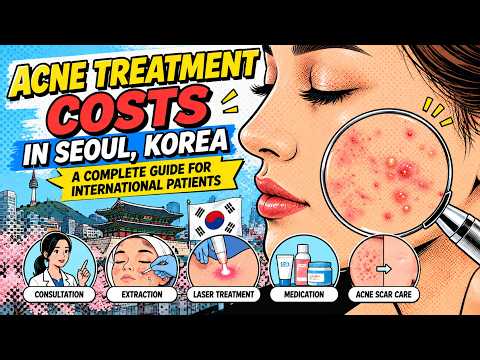
Acne treatment costs in Seoul, Korea, typically range from ₩30,000 to ₩300,000 per session for common procedures, while acne scar treatments may cost ₩150,000–₩600,000 or more. Prices depend on acne severity, treatment type, clinic fees, and the number of sessions required.
KoreaMedTour.com
Quick Summary
There is no single standard price for acne treatment costs in Seoul, Korea, in 2026, because treatment expenses vary depending on the type and severity of acne, the treatment method, the affected skin area, the clinic, the physician’s expertise, the number of sessions, and whether consultation, prescription medication, and follow-up care are included.
As a practical 2026 planning guide, international patients can use the following indicative ranges when budgeting for acne treatment in Seoul:
Typical Acne Treatment Cost in Seoul = ₩30,000–₩300,000+ per procedure session
Common acne treatment options may fall within these approximate ranges:
- Acne Consultation & Skin Examination: ₩10,000–₩50,000+
- Professional Acne Extraction: ₩30,000–₩100,000+ per session
- Chemical Peel for Acne: ₩50,000–₩200,000+ per session
- LED or Light-Based Acne Treatment: ₩30,000–₩150,000+ per session
- Acne-Focused Laser Treatment: ₩50,000–₩300,000+ per session
- Acne Redness & Pigmentation Treatment: ₩80,000–₩300,000+ per session
- Acne Scar Laser or Resurfacing Treatment: ₩150,000–₩600,000+ per session
- Multi-Session Acne Treatment Programs: ₩300,000–₩2,000,000+, depending on the treatment plan and number of sessions
These figures are indicative budgeting estimates, not verified prices from individual Seoul clinics. Actual quotations may differ, and consultation, prescription medication, diagnostic tests, numbing cream, VAT, and aftercare may be charged separately.
A useful approach is to confirm three numbers before booking:
- Expected treatment cost — the diagnosis, recommended procedures, medication, number of sessions, treatment areas, and follow-up schedule.
- Maximum treatment budget — the amount you are prepared to spend if additional consultations, maintenance sessions, or complementary treatments are recommended.
- Total Korea medical tourism budget — flights, accommodation, transportation, meals, VAT where applicable, translation or international-patient support, and other travel expenses.
The important point is that the cheapest acne clinic in Seoul is not necessarily the best value. Before choosing a clinic, compare the physician’s qualifications, the accuracy of the diagnosis, the clinical evidence supporting the treatment, the devices or products used, potential side effects, expected recovery time, and long-term maintenance costs.
It is also essential to distinguish between active acne, post-acne redness, dark pigmentation, and depressed acne scars. These conditions may require different treatments, and a procedure designed to improve acne scars may not be appropriate for ongoing inflammatory acne.
For international patients, the most cost-effective approach is to identify the type of acne first and obtain a written treatment plan with transparent pricing. This helps ensure that the selected treatment is medically appropriate rather than simply the most heavily promoted or discounted option.
Table of Contents
What Determines the Cost of Acne Treatment in Seoul?
Acne treatment prices vary because acne is not a single condition with one universal treatment. A patient with occasional whiteheads may need a relatively simple topical regimen, while someone with deep, painful nodules or established scars may require prescription medication and a longer treatment plan.
The main cost factors are:
- Acne severity: Mild comedonal acne generally requires less intensive treatment than inflammatory or nodular acne.
- Type of treatment: Extractions, prescription medication, peels, light therapy, and scar resurfacing have different costs and purposes.
- Treatment area: The face, chest, shoulders, and back may be priced differently.
- Number of sessions: A single appointment may address a specific concern, but ongoing acne management often requires several months.
- Clinic and equipment: Treatment technology, clinician expertise, location, and the level of medical supervision affect pricing.
- Additional charges: Consultation fees, medication, VAT, numbing cream, post-treatment products, and follow-up visits may be billed separately.
Is acne treatment cheaper in Seoul than in the United States?
Seoul has clinics offering a wide range of prices, including competitively priced skin-care procedures. However, a reliable cost comparison must compare equivalent treatments rather than general clinic advertisements.
For example, an extraction-and-mask package should not be compared directly with a dermatologist consultation followed by prescription medication or fractional laser resurfacing. The services, clinical objectives, and follow-up requirements differ.
International patients should compare the total cost of the intended treatment plan, including medication, repeat appointments, taxes, and travel-related expenses. A lower advertised price per session does not necessarily mean a lower overall cost.
Acne Treatment Options and Their Prices
Indicative 2026 budgeting ranges; individual clinic quotations may differ.
A. Professional acne extraction
₩30,000–₩100,000
Professional extraction removes selected blackheads, whiteheads, and suitable clogged pores. It may help when comedones are a major concern, but aggressive squeezing can worsen inflammation, infection, and scarring.
Best suited for: Selected clogged pores and comedonal acne.
Extraction alone does not prevent new acne from forming.
B. Chemical peels
₩50,000–₩200,000
Chemical peels use controlled exfoliating agents, such as salicylic or glycolic acid, to help remove dead skin cells and improve selected forms of acne and uneven skin texture.
Best suited for: Certain cases of clogged pores and mild acne, depending on the formulation and skin condition.
Irritation, prolonged redness, and pigmentation changes are possible. Stronger peels are not automatically better, especially for sensitive or pigmentation-prone skin.
C. LED and light-based acne treatments
₩30,000–₩150,000
Some clinics offer blue light, red light, or other light-based procedures as part of acne care. The mechanisms and evidence vary by device and protocol, and results are not equivalent to those of established prescription treatments.
Best suited for: Selected patients seeking an adjunct to their acne treatment plan.
Ask which device is used, what benefit is expected, and whether the treatment is being combined with medication or other procedures.
D. Acne-focused laser procedures
₩50,000–₩300,000+
Certain laser or energy-based procedures may be used to address selected inflammatory acne concerns. The expected benefit depends on the device, treatment settings, acne type, and the evidence supporting the specific protocol.
Best suited for: Selected patients after clinical assessment, often as part of a broader treatment plan.
Ask whether the procedure targets active acne, redness, pigmentation, or scarring. These are different treatment goals, and one procedure may not address all of them.
E. Acne scar treatment
₩150,000–₩600,000+
Depressed acne scars may require fractional laser resurfacing, microneedling, radiofrequency microneedling, subcision, TCA CROSS, or a combination of procedures.
Best suited for: Established textural scars after active acne has been brought under reasonable control.
Deep scars often need individualized treatment over multiple sessions. Temporary redness, swelling, downtime, and post-inflammatory hyperpigmentation are important considerations.
Active Acne vs. Acne Marks vs. Acne Scars: Which Treatment Do You Need?
One of the most important steps in controlling costs is identifying the actual skin concern before choosing a procedure.
| Skin concern | Typical appearance | Main treatment objective |
|---|---|---|
| Active acne | Pimples, whiteheads, blackheads, inflamed bumps | Reduce breakouts and prevent new lesions |
| Post-inflammatory redness | Flat pink or red marks after pimples heal | Reduce persistent redness |
| Post-inflammatory hyperpigmentation | Flat brown or dark marks | Gradually improve excess pigmentation |
| Atrophic acne scars | Pits, depressions, uneven texture | Improve skin contour and scar depth |
| Raised acne scars | Thickened or elevated scar tissue | Reduce scar thickness and symptoms |
Flat red or brown marks are not necessarily permanent scars. Treating them as if they were deep scars can add unnecessary cost and expose patients to procedures they do not need.
The American Academy of Dermatology recommends an individualized approach to scar treatment, taking into account scar type, skin tone, medical history, and active acne. When ongoing breakouts are present, controlling them first helps reduce the risk of additional scarring.
Prescription Acne Treatment: An Important Part of the Budget
Not every effective acne treatment requires a laser. For many patients, evidence-based topical or oral medication is a central part of care.
Common treatment categories include:
- Topical retinoids: Help unclog pores and reduce the formation of new comedones.
- Benzoyl peroxide: Helps reduce acne-causing bacteria and inflammation.
- Azelaic acid: May help with acne and residual pigmentation.
- Oral antibiotics: May be prescribed for selected inflammatory acne cases, generally for a limited period and alongside appropriate topical treatment.
- Oral isotretinoin: May be appropriate for severe, scarring, or treatment-resistant acne under medical supervision.
The American Academy of Dermatology’s updated clinical guidelines support several of these treatments and emphasize appropriate medication combinations and responsible antibiotic use.
Medication costs are not included in the procedure estimates above. The total depends on the drug, dose, duration, consultation arrangements, and any required monitoring.
Important safety consideration: Isotretinoin requires careful medical assessment and monitoring. It can cause serious birth defects if taken during pregnancy, and clinicians may monitor liver function and blood lipids as appropriate. Patients should disclose their medical history, current medication, pregnancy plans where relevant, and any liver-related conditions before treatment.
For international visitors who will return home shortly after treatment, the clinic should also explain how prescriptions, monitoring, and follow-up will be managed after departure.
How Much Should International Patients Budget for Acne Treatment in Seoul?
The most useful budget is based on the treatment objective rather than the number of procedures advertised in a package.
The following examples illustrate how costs can add up. They are hypothetical planning scenarios, not clinical recommendations or fixed clinic packages.
Scenario A: Mild acne and clogged pores
Basic care
₩100,000–₩250,000
Illustrative initial visit budget
- Consultation: ₩20,000–₩50,000
- One extraction or basic acne-care session: ₩50,000–₩100,000
- Initial medication or skin-care allowance: ₩30,000–₩100,000A suitable starting point for selected mild cases, subject to examination. Ongoing medication or repeat visits may increase the total.
Scenario B: Persistent inflammatory acne
Ongoing care
₩300,000–₩900,000
Illustrative multi-visit planning budget
- Initial consultation and medication: ₩50,000–₩150,000
- Three additional procedure sessions at ₩50,000–₩150,000 each
- Allowance for follow-up and medication adjustmentsThe actual total depends on the diagnosis and treatment selected. Procedures may not be necessary if medication alone is appropriate.
Scenario C: Acne scars and uneven texture
Scar revision
₩600,000–₩2,400,000+
Illustrative course of three to four sessions
- Scar consultation and assessment: ₩30,000–₩100,000
- Three to four procedures at approximately ₩150,000–₩600,000 each
- Potential additional costs for numbing, aftercare, or combination proceduresThis estimate excludes flights, accommodation, and other travel expenses. More complex scars may require a different plan or additional treatment.
These examples should be used to establish a preliminary budget, not to decide which procedures to undergo. A dermatologist should determine whether the proposed treatment is appropriate for the patient’s acne and skin type.
How to Choose an Acne Clinic in Seoul as a Foreign Patient
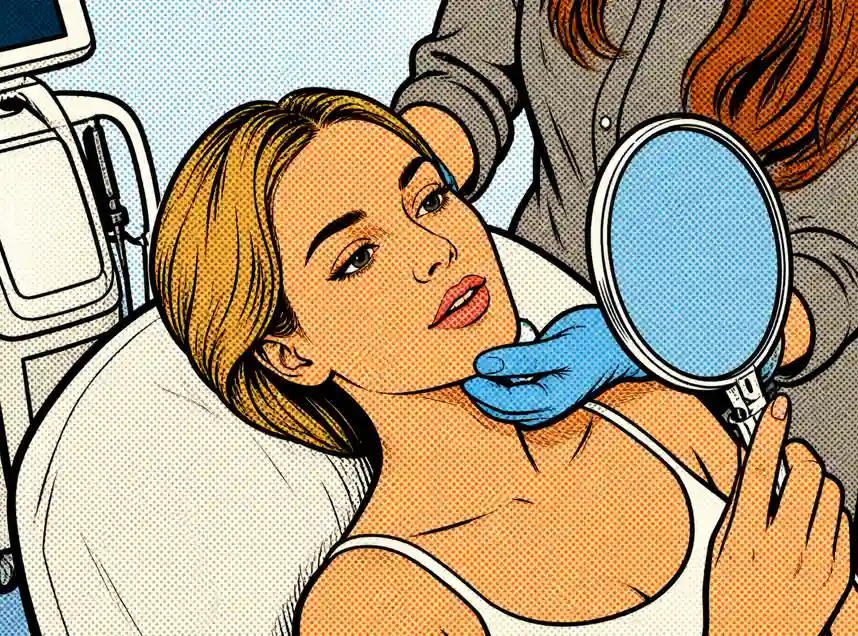
International patients should evaluate medical suitability, communication, pricing transparency, and continuity of care together.
Step 1: Confirm that the clinic treats your specific concern
Before booking, establish whether the clinic provides treatment for active acne, pigmentation, redness, or depressed scars. A clinic that primarily offers cosmetic facials may not provide the same diagnostic or prescription services as a medical dermatology practice.
Step 2: Request an itemized quotation
Ask for the consultation fee, procedure name, number of sessions, medication costs, applicable VAT, and any additional charges. Confirm whether an advertised price is conditional on purchasing a package or accepting a promotional offer.
Step 3: Check medical qualifications and registration
Confirm who will examine you, who will perform the procedure, and whether the provider has relevant medical training. For international patients, verify the clinic’s eligibility to serve foreign patients through the appropriate Korean authorities or official medical-tourism resources.
Step 4: Ask about skin tone and pigmentation risk
Inflammation and certain procedures can trigger post-inflammatory hyperpigmentation, particularly in people prone to pigmentation changes. Ask the clinician how your skin tone, history of dark marks, and previous reactions affect the proposed treatment.
Step 5: Confirm aftercare and follow-up
Request written instructions in a language you understand. Confirm how you can contact the clinic if you experience unusual pain, worsening inflammation, blistering, or other unexpected reactions after leaving Korea.
Can You Get Acne Treatment During a Short Trip to Seoul?
Yes. An international visitor can often arrange an initial consultation and a suitable treatment during one visit, depending on appointment availability and the clinical assessment. However, a single appointment does not guarantee that acne will clear or that a multi-session procedure will be completed within the trip.
A practical travel plan should distinguish between treatments that may be performed in one appointment and those that require a longer treatment period.
- Before arrival: Send clear photographs if the clinic accepts them, describe your concerns, list current medications, and request a preliminary price estimate.
- First appointment: Complete the medical consultation and confirm the diagnosis, proposed treatment, total price, and potential side effects.
- During the visit: Follow the clinician’s recommendations and allow adequate time for any expected redness, swelling, or recovery.
- Before departure: Obtain written aftercare instructions, medication details, and a plan for follow-up with a local clinician if needed.
For visitors with active, painful, or potentially scarring acne, prioritize medical assessment over fitting several cosmetic procedures into a short itinerary. For resurfacing and other procedures with meaningful recovery requirements, discuss the timing carefully before booking flights or activities.
Safety Considerations Before Acne Treatment
Acne procedures are not risk-free, even when performed in a professional setting.
Potential adverse effects vary by treatment and may include irritation, dryness, temporary redness, swelling, infection, burns, pigment changes, and scarring. More intensive resurfacing procedures may involve longer recovery periods.
To reduce avoidable risks:
- Disclose all prescription medicines, over-the-counter products, and previous procedures.
- Tell the clinician if you have a history of keloids, cold sores, unusual scarring, or pigmentation changes.
- Ask whether your current acne medication affects the timing or safety of a peel, laser, or resurfacing procedure.
- Avoid aggressive extraction or unsupervised combinations of exfoliating products.
- Seek medical advice promptly if you develop severe pain, spreading redness, fever, blistering, or other concerning symptoms.
Patients taking isotretinoin should specifically discuss any planned procedure with their prescribing clinician. The suitability and timing of procedures depend on the specific treatment, dose, healing risk, and clinical circumstances; do not discontinue prescribed medication independently.
FAQ Section
How much does acne treatment cost in Seoul, Korea?
Acne treatment costs in Seoul, Korea, generally range from ₩30,000 to ₩300,000 per session for common procedures. The final price depends on the treatment type, acne severity, clinic pricing, and whether consultation, medication, and aftercare are included.
How much does acne scar treatment cost in Korea?
Acne scar treatment costs in Korea may range from ₩150,000 to ₩600,000 or more per session. Fractional laser resurfacing, microneedling, subcision, and combination treatments have different prices depending on scar depth, treatment area, and the number of sessions required.
Is acne treatment in Seoul affordable for international patients?
Acne treatment in Seoul can offer a range of options for international patients, from basic acne care to advanced dermatological procedures. Compare itemized quotations, medical qualifications, language support, medication costs, and follow-up arrangements rather than choosing a clinic based on promotional prices alone.
How many sessions are needed for acne treatment in Seoul, Korea?
The number of acne treatment sessions in Seoul depends on the diagnosis and treatment method. Some patients begin with one consultation and a medication plan, while others need several sessions. Acne scar treatments commonly require multiple appointments, and results vary by individual.
How can international patients choose a Korean dermatology clinic for acne treatment?
International patients choosing a Korean dermatology clinic should verify the provider’s qualifications, confirm the clinic’s experience treating their specific skin concern, request a written treatment plan, and check the total cost. They should also confirm English-language support, possible side effects, and follow-up care after returning home.
Final Recommendations: Getting the Best Value for Acne Treatment in Seoul
The best approach to acne treatment in Seoul is to start with an accurate diagnosis and a clearly defined treatment objective.
For mild acne, an initial consultation, appropriate medication, and selected basic procedures may be sufficient. Persistent inflammatory acne may require a structured medical treatment plan. Established acne scars generally need a separate assessment and may involve more intensive, multi-session procedures.
When comparing clinics, focus on five questions:
- What exact skin condition is being treated?
- What is the medical rationale for the recommended procedure?
- What is the total estimated cost, including repeat visits and additional fees?
- What side effects, downtime, and pigmentation risks should I expect?
- How will follow-up care be handled after I return home?
A transparent quotation and a treatment plan based on medical need are more useful than an unusually low promotional price or a promise of flawless skin.
For international patients, the goal should be to spend on the right treatment, not simply to purchase more procedures. A well-planned course of care can help reduce unnecessary expenses while prioritizing skin health and realistic outcomes.
References
- American Academy of Dermatology — Updated Guidelines for the Management of Acne. Evidence-based recommendations on topical and oral acne therapies.
- American Academy of Dermatology — Acne Scars: Consultation and Treatment. Information on scar types, treatment selection, and individualized care.
- D&A Dermatology Clinic – Premium Acne Clinic

Korea Med Tour – Trusted Blog for Medical Tourism in Korea
Korea Med Tour is a trusted medical tourism content platform providing accurate, research-based healthcare information for international patients considering treatment in Korea.
Our editorial team specializes in global patient guidance, treatment insights, clinic selection, and medical travel planning. All content is developed using verified medical sources and structured editorial review processes to ensure clarity, safety, and reliability.
We are committed to helping international patients make informed and confident medical travel decisions when choosing Korea as their healthcare destination.