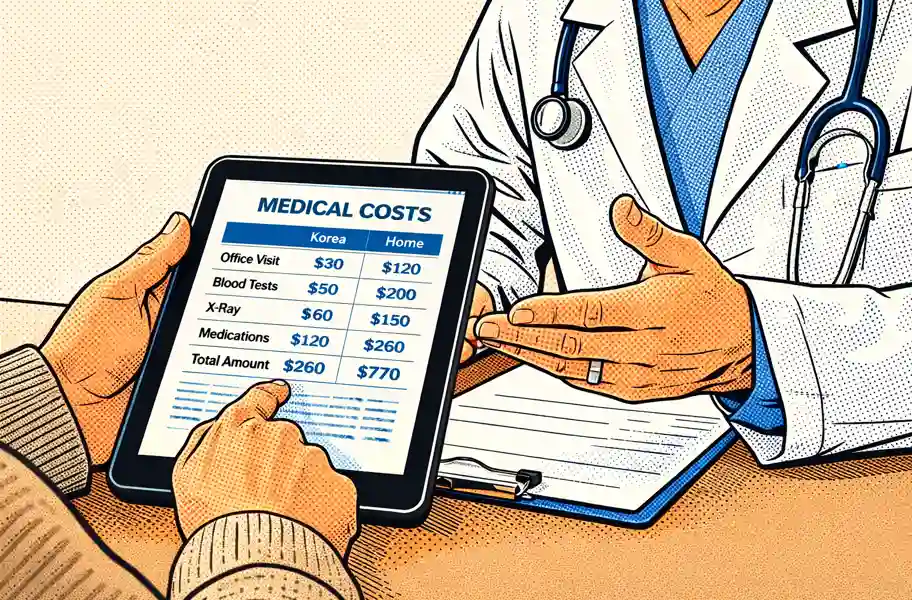


Alopecia Clinic Cost 2026 in Seoul varies by diagnosis and treatment type. Initial consultations may cost around ₩10,000–₩50,000, non-surgical procedures approximately ₩50,000–₩500,000 or more per session, and hair transplantation several million won. Request an itemized quotation because actual prices vary by clinic and treatment plan.
KoreaMedTour.com
Quick Summary
There is no single standard price for Alopecia Clinic Cost 2026 in Seoul, Korea, because treatment costs vary depending on the type and severity of hair loss, the treatment method, the affected scalp area, the clinic, the physician’s expertise, the number of sessions, and whether medication, diagnostic tests, and follow-up care are included.
As a practical 2026 planning guide, international patients can use the following indicative ranges when budgeting for alopecia treatment in Seoul:
Typical Alopecia Treatment Cost in Seoul = ₩50,000–₩500,000+ per non-surgical treatment session
Common hair-loss treatment options may fall within these approximate ranges:
- Alopecia Consultation & Scalp Examination: ₩10,000–₩100,000+
- Prescription Hair-Loss Medication: ₩10,000–₩100,000+ per month, depending on the medication and pharmacy costs
- Low-Level Laser or Light-Based Treatment: ₩30,000–₩200,000+ per session
- PRP Hair Treatment: ₩50,000–₩500,000+ per session
- Multi-Session Alopecia Treatment Programs: ₩300,000–₩3,000,000+
- Hair Transplantation in Seoul: ₩3,000,000–₩15,000,000+ depending on graft count, technique, and surgical complexity
These figures are indicative budgeting estimates, not verified prices from individual Seoul clinics. Actual quotations may differ, and diagnostic tests, medication, VAT, and aftercare may be charged separately.
A useful approach is to confirm three numbers before booking:
- Expected treatment cost — the exact diagnosis, recommended treatment, medication, number of sessions, treatment areas, and follow-up schedule.
- Maximum treatment budget — the amount you are prepared to spend if additional diagnostic tests, maintenance sessions, or complementary treatments are recommended.
- Total Korea medical tourism budget — flights, accommodation, transportation, meals, VAT where applicable, translation or international-patient support, and other travel expenses.
The important point is that the cheapest alopecia clinic cost in Seoul is not necessarily the best value. Before choosing a clinic, compare the accuracy of the diagnosis, physician qualifications, treatment evidence, product or device details, expected outcomes, safety considerations, total treatment duration, and long-term maintenance costs.
For international patients, the most cost-effective approach is to identify the cause of hair loss first and obtain a written treatment plan with transparent pricing. This helps ensure that the selected treatment is appropriate for the condition rather than simply the most heavily promoted or discounted option.
Table of Contents
How Much Does Alopecia Treatment Cost in Seoul in 2026?
Alopecia treatment prices vary because clinics may charge separately for diagnosis, medication, injections, laser or light-based procedures, and follow-up visits. Some offer single sessions, while others sell multi-session packages.
The following table provides illustrative budgeting estimates in South Korean won (KRW). Actual clinic quotations may fall outside these ranges, and the figures should not be interpreted as a live survey or confirmed tariff for a specific clinic.
| Treatment or service | Estimated price in Seoul |
|---|---|
| Initial consultation | ₩10,000–₩50,000 |
| Scalp examination or trichoscopy | ₩20,000–₩100,000 |
| Prescription hair-loss medication | ₩10,000–₩100,000+ per month, including variable medication costs |
| Topical scalp treatment or supportive care | ₩30,000–₩150,000 per session |
| Low-level laser or light-based treatment | ₩30,000–₩200,000 per session |
| Scalp injections or regenerative-procedure consultations | ₩50,000–₩500,000+ per session |
| Multi-session hair-loss treatment program | ₩300,000–₩3,000,000+ |
| Hair transplantation | Often ₩3,000,000–₩15,000,000+, depending on graft count and technique |
Price note: These are broad, non-verified estimates intended for initial budgeting in 2026. They are not medical fee quotations, and treatment categories are not interchangeable. Medication, laboratory testing, anesthesia, taxes, and aftercare may be charged separately.
What determines the final price?
Five factors typically have the greatest impact:
- Diagnosis: Pattern hair loss may be managed with medication, while alopecia areata may require anti-inflammatory treatment.
- Treatment area: A small patch of hair loss may require a different approach from diffuse thinning across the scalp.
- Treatment frequency: Procedures that require repeated sessions can become expensive over several months.
- Product or device: A branded device or proprietary injectable preparation may cost more than a conventional treatment, without necessarily producing better results.
- Clinical complexity: Sudden hair loss, inflammation, scarring, or suspected nutritional or hormonal problems may require additional evaluation.
The best way to compare clinics is to request a written quotation showing the consultation fee, individual treatment prices, recommended number of sessions, medication costs, and follow-up charges.
Understanding Alopecia: Why Diagnosis Matters Before Treatment
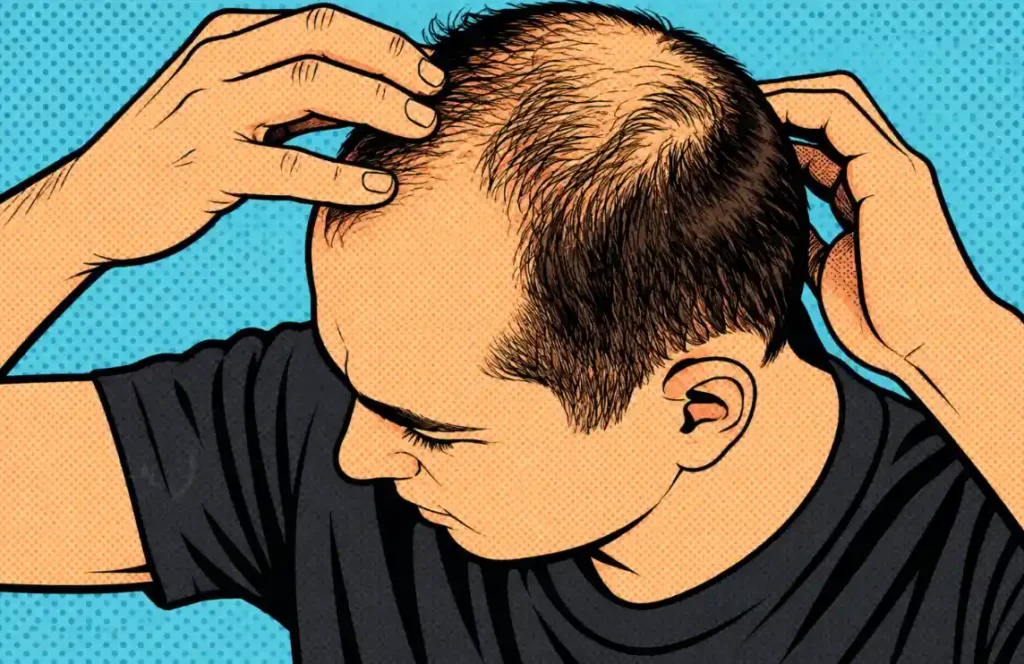
Alopecia is the medical term for hair loss. It describes a group of conditions rather than one specific disease. Before estimating treatment costs, a dermatologist needs to determine whether the hair follicles are temporarily shedding hair, producing thinner strands, being affected by inflammation, or permanently damaged by scarring.
The American Academy of Dermatology (AAD) recommends evaluating the pattern and history of hair loss and using additional tests when clinically indicated.
Common types of hair loss treated in Seoul
Typical pattern: Receding temples, crown thinning, or widening of the central part.
This condition is influenced by genetics and sensitivity to androgens, including dihydrotestosterone (DHT). Treatment commonly focuses on slowing progression and maintaining or improving hair density. Medication is often more cost-effective over the long term than relying exclusively on repeated clinic procedures.
Typical pattern: One or more sharply defined, round or oval bald patches.
This is an immune-mediated condition affecting hair follicles. Treatment may include corticosteroids or other clinician-selected therapies, depending on severity and distribution. Extensive disease may require specialist assessment for systemic treatment.
Typical pattern: Increased shedding across the scalp.
Shedding may follow a major illness, surgery, childbirth, significant weight loss, nutritional deficiency, or another physical or emotional stressor. Management focuses on identifying and addressing the trigger rather than automatically purchasing an expensive injectable package.
Typical signs: Inflammation, redness, scaling, discomfort, or areas where follicular openings disappear.
Some inflammatory disorders can permanently destroy hair follicles. Early dermatological evaluation is important because treatment may need to control inflammation and prevent further irreversible loss.
These distinctions matter financially. A patient with temporary shedding may need investigation and follow-up rather than a lengthy procedure package. Someone with progressive hereditary thinning may need ongoing maintenance, while a patient with inflammatory scarring disease may require prompt medical treatment.
Hair Loss Treatment Brands and Technologies Available in Korea
Patients searching for an alopecia clinic often compare brand names, injection formulations, laser devices, and regenerative treatments. However, a product’s popularity or branding does not establish its clinical effectiveness.
The following overview explains common options and what to ask a Seoul clinic before paying for treatment.
| Treatment or brand example | Main purpose | Important consideration |
|---|---|---|
| Rogaine / minoxidil | Supports hair growth in selected forms of pattern hair loss | Requires consistent use; results take months |
| Propecia / finasteride | Reduces DHT-related progression in appropriate patients | Prescription suitability and potential sexual or other adverse effects must be discussed |
| Avodart / dutasteride | Suppresses DHT and may be considered in selected cases | Hair-loss use, authorization, and prescribing practice vary by jurisdiction |
| PRP (platelet-rich plasma) | Uses a prepared fraction of the patient’s own blood | Evidence and protocols vary; repeat sessions may be necessary |
| Low-level laser or light therapy | Non-invasive adjunct for selected hair-loss conditions | Device clearance, treatment schedule, and evidence differ by product |
| Corticosteroid injections | Treat selected inflammatory or autoimmune hair-loss conditions | Not a universal treatment for pattern hair loss |
| Hair transplantation | Relocates follicles from a donor area to a recipient area | Surgical procedure with eligibility, recovery, and graft-related costs |
Medication examples are provided for identification, not as a prescription or endorsement. Product availability, approved indications, brand names, and prescribing rules can differ in South Korea and other countries.
Minoxidil: topical hair-growth treatment
Minoxidil is commonly used for selected cases of pattern hair loss. It may help slow hair loss and improve density, but it cannot reliably restore every area of advanced baldness. Improvement generally takes several months, and continued use is often necessary to maintain benefits.
When comparing costs, ask whether the quotation covers the medication alone or also includes scalp assessment, application procedures, and follow-up appointments.
Finasteride and dutasteride: prescription options
These medications affect androgen pathways involved in pattern hair loss. Finasteride is an established treatment for male pattern hair loss in appropriate patients. Dutasteride may be considered by some clinicians, depending on the patient’s circumstances and local prescribing rules.
Potential adverse effects, reproductive considerations, contraindications, and the implications of long-term use should be discussed with the prescribing clinician. These drugs are not suitable for everyone, and people who are pregnant or could become pregnant need specific safety guidance around exposure.
A clinic should explain why a medication is appropriate for the individual rather than recommending the same prescription to every patient.
PRP and regenerative scalp injections
Platelet-rich plasma, or PRP, is prepared from a patient’s blood and injected into selected scalp areas. Research suggests potential benefits for some people with pattern hair loss, but study protocols and results vary. Repeated treatments and maintenance sessions may be proposed.
Clinics may also advertise exosome products, growth-factor formulations, or other regenerative injections. These treatments should not be assumed to be equivalent to PRP or established medical therapies. Ask for the exact product name, its regulatory status in Korea, the evidence supporting its intended use, and the known risks. Be cautious about claims of guaranteed regrowth or permanent results.
Low-level laser therapy
Low-level laser therapy uses light-based devices as a non-invasive treatment option for selected patients. Some devices have evidence supporting modest improvements in hereditary hair loss, but results are not guaranteed and regular use may be required.
Ask whether the quoted fee covers an in-clinic procedure, a home-use device, or a combined treatment program. Also check whether the device has relevant regulatory clearance and whether its specific intended use is supported by clinical evidence.
Treatment Areas: Which Parts of the Scalp Can Be Treated?
The cost of alopecia treatment is not determined by location alone. It also depends on the diagnosis, the size and density of the affected area, and the chosen treatment method.
Common concerns include a receding hairline and thinning at the temples. Medical management may help slow progression in suitable patients. Hair transplantation may be considered for selected stable patterns when donor hair and expectations are appropriate.
Thinning at the crown is common in androgenetic alopecia. A clinician may assess miniaturized hairs and the extent of progression before recommending medication, an adjunctive procedure, or transplantation.
Diffuse thinning or a widening part may occur in female pattern hair loss, although other causes must be considered. Evaluation should account for hormonal and reproductive factors, medical history, and potential nutritional deficiencies when relevant.
A small patch may require a different treatment plan from extensive alopecia areata. Treatment may involve targeted medication rather than whole-scalp cosmetic procedures.
Hair loss in these areas can have different causes, including alopecia areata and inflammatory disorders. Diagnosis should come before choosing injections, topical medication, or cosmetic restoration.
How do clinics calculate treatment area costs?
Clinics may charge a flat rate per session, by the size of the area, by the number of injections, or by a treatment package. Hair transplantation is generally quoted by graft count, surgical technique, and clinical complexity.
Before booking, ask whether the quoted price covers the entire scalp or only selected regions. If the clinic recommends treating the frontal hairline, crown, and mid-scalp separately, request an itemized explanation of what each additional area adds to the total.
How Much Does a Complete Hair-Loss Treatment Plan Cost?
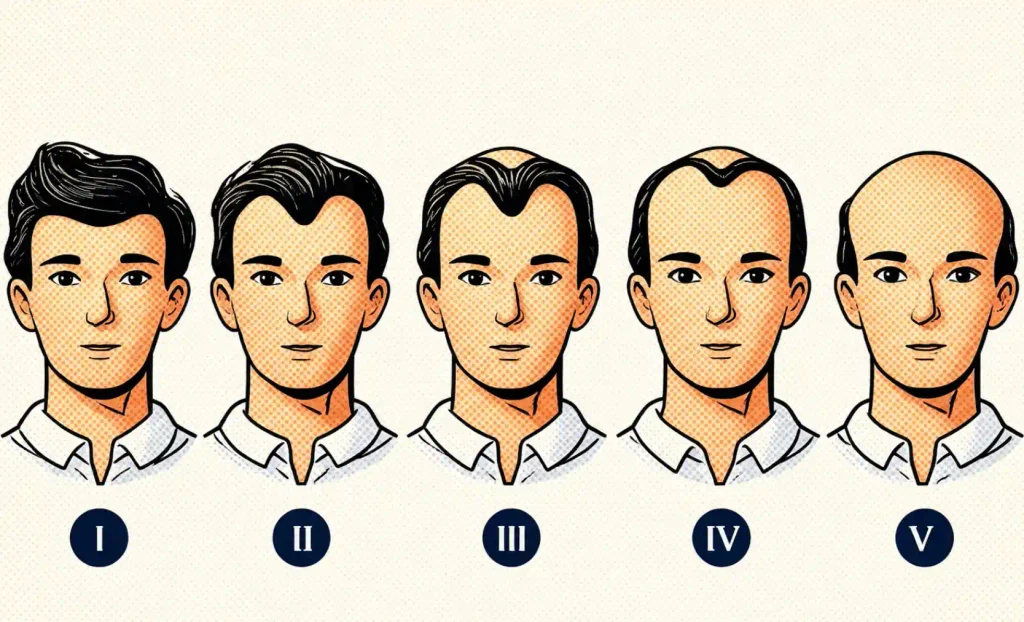
The initial price is only one part of the financial decision. Hair-loss management often involves follow-up examinations, consistent medication use, and reassessment over several months.
The following examples show how to compare treatment plans without assuming that every patient needs every procedure.
Scenario A: Early pattern hair loss
Medication-focused
Lower initial cost
A patient with early crown thinning receives a dermatological assessment and an appropriate medication plan.
Budget considerations: consultation, prescribed medication, follow-up visits, and ongoing maintenance.
Scenario B: Pattern hair loss with an adjunctive procedure
Combined care
Moderate to higher cost
A patient uses an appropriate medical treatment and elects to add PRP or another clinician-recommended procedure.
Budget considerations: the complete session schedule, procedure-specific risks, maintenance frequency, and whether the additional benefit justifies the cost.
Scenario C: Advanced stable pattern hair loss
Surgical assessment
Higher upfront cost
A suitable candidate considers hair transplantation after an evaluation of donor hair, the recipient area, and the likelihood of future hair loss.
Budget considerations: surgery, anesthesia, medication, aftercare, follow-up, and the possibility of future treatment.
These are illustrative patient scenarios, not clinical recommendations or fixed treatment prices. A patient with alopecia areata or suspected scarring alopecia may need a completely different plan.
A practical way to compare clinic quotations
Request two totals from every clinic:
- Initial treatment cost: consultation, diagnostic tests, the first procedure, and any medication prescribed.
- Estimated 12-month cost: initial care, planned repeat sessions, medication refills, follow-up consultations, and maintenance.
For example, a clinic quoting a low price per injection may ultimately cost more if it recommends frequent sessions. A clinic offering a larger prepaid package may appear cheaper per session but could create unnecessary financial risk if the diagnosis or treatment plan changes.
Do not pay for a large package solely because the clinic advertises a limited-time discount. Ask whether individual sessions are available and what happens if the treatment is discontinued.
What Happens During an Alopecia Clinic Consultation in Seoul?
A structured consultation helps patients understand both their diagnosis and their likely expenses.
- Medical history and hair-loss timelineThe clinician asks when shedding began, whether it developed suddenly or gradually, whether relatives have experienced similar hair loss, and whether there have been recent illnesses, medication changes, or major stressors.
- Scalp examination and trichoscopyThe dermatologist examines the distribution of hair loss and may use magnification to assess follicular openings, hair-shaft variation, inflammation, and other diagnostic clues.
- Additional testing when indicatedBlood tests may be appropriate if the history suggests iron deficiency, thyroid disease, or another medical contributor. A scalp biopsy or other targeted investigation may be necessary when the diagnosis remains uncertain or scarring is suspected.
- Individualized treatment planThe clinic explains the preferred treatment, alternatives, potential adverse effects, likely duration, and realistic expectations.
- Cost breakdown and follow-upObtain written prices for the proposed treatment, medications, repeat visits, and any optional procedures. Ask how progress will be measured and when the clinician will reassess the plan.
For international patients, it is also useful to confirm whether the clinic provides English-language consultations, written instructions, translated prescriptions where available, and remote follow-up after returning home.
Risks, Limitations, and Expected Results
No alopecia treatment can guarantee that every patient will regrow hair. Outcomes depend on the underlying condition, disease activity, duration of hair loss, follicular health, treatment adherence, and individual response.
- Medication: Minoxidil may cause scalp irritation or unwanted hair growth in other areas. Finasteride can cause adverse effects, including sexual side effects, and requires a discussion of individual suitability.
- Injections: PRP and corticosteroid injections have different indications and risks. Potential complications can include pain, bruising, irritation, or local tissue effects, depending on the procedure.
- Laser treatment: Benefits may be modest and require consistent use. Device quality and evidence vary.
- Hair transplantation: Risks include infection, scarring, poor graft growth, and an unnatural appearance. Transplantation does not stop untreated hair loss in surrounding native hair.
- Unproven regenerative products: Marketing claims about exosomes, stem-cell-derived products, or proprietary injections should not be confused with established evidence of safety and effectiveness.
A dermatologist should also discuss whether treatment aims to stop further loss, improve existing hair density, stimulate regrowth, or restore coverage surgically. These are different goals, and they should not be presented as equivalent outcomes. The AAD emphasizes that hair-loss treatment varies by diagnosis and may take months to show results.
FAQ Section

How much does an alopecia clinic cost in Seoul in 2026?
The Alopecia Clinic Cost 2026 in Seoul depends on the diagnosis and treatment method. Initial consultations may cost approximately ₩10,000–₩50,000, while non-surgical hair-loss procedures may range from ₩50,000 to ₩500,000 or more per session. Request a current quotation from the clinic.
What is the average alopecia treatment cost in Seoul, Korea?
The alopecia treatment cost in Seoul, Korea varies according to whether treatment involves medication, PRP injections, laser therapy, or surgery. A multi-session program may cost several hundred thousand to several million won. The total depends on the recommended schedule, medication, and follow-up care.
How much does PRP hair treatment cost in Seoul in 2026?
The PRP hair treatment cost in Seoul may be approximately ₩50,000–₩500,000 or more per session as an indicative budgeting range. Actual prices vary by clinic, preparation method, and treatment protocol. Ask how many sessions are recommended and whether maintenance treatments are included.
Is alopecia treatment in Korea cheaper than hair transplantation?
Non-surgical alopecia treatment in Korea generally has a lower upfront cost than hair transplantation. Medication and selected scalp procedures may be suitable for some patients, while transplantation involves surgery and higher initial expenses. The appropriate option depends on the cause of hair loss, follicular health, and medical assessment.
How can international patients compare alopecia clinic prices in Seoul?
International patients comparing alopecia clinic prices in Seoul should request an itemized quotation that includes consultation fees, diagnostic tests, medication, procedures, and follow-up visits. Confirm the dermatologist’s qualifications, treatment risks, language support, and expected outcomes before paying for a treatment package.
Conclusion: Choosing an Alopecia Clinic in Seoul in 2026
The cost of alopecia treatment in Seoul ranges from relatively affordable consultations and medication to more expensive multi-session procedures and hair transplantation. The right budget depends on the type of hair loss, the affected areas, and the clinical approach—not simply the advertised price or brand name.
For the most cost-effective and medically appropriate decision, start with a dermatological diagnosis, compare itemized treatment plans, and calculate the expected cost over 12 months. Prioritize qualified medical care, transparent pricing, evidence-based treatments, and realistic expectations over guaranteed-regrowth claims.
For international patients, a clinic that provides clear communication, a written quotation, and a practical follow-up plan can make treatment in Korea easier to evaluate and manage.
References
- American Academy of Dermatology — Hair Loss: Diagnosis and Treatment. Clinical overview of diagnostic evaluation, medication, procedures, and treatment expectations.
- American Academy of Dermatology — Alopecia Areata: Diagnosis and Treatment. Information about localized and extensive alopecia areata, including corticosteroids and other treatment options.

Korea Med Tour – Trusted Blog for Medical Tourism in Korea
Korea Med Tour is a trusted medical tourism content platform providing accurate, research-based healthcare information for international patients considering treatment in Korea.
Our editorial team specializes in global patient guidance, treatment insights, clinic selection, and medical travel planning. All content is developed using verified medical sources and structured editorial review processes to ensure clarity, safety, and reliability.
We are committed to helping international patients make informed and confident medical travel decisions when choosing Korea as their healthcare destination.