


Medical Tourism Korea for African American Patients offers access to advanced healthcare, experienced specialists, personalized treatment plans, and modern medical technology. From dermatology and plastic surgery to eye care and preventive medicine, South Korea provides safe, evidence-based healthcare for international patients seeking high-quality treatment and natural results.
KoreaMedTour.com
Quick Summary
Medical Tourism in South Korea for African American Patients combines advanced medical technology, personalized treatment plans, and high-quality, patient-centered care. Many international patients travel to Korea for dermatology, plastic surgery, eye surgery, dental care, wellness programs, and comprehensive health screenings. Korean specialists increasingly provide individualized treatment approaches that consider skin of color, facial anatomy, and each patient’s unique medical and aesthetic goals.
Key Benefits:
- Advanced treatments using state-of-the-art medical technology and evidence-based care
- Personalized treatment plans tailored to individual health needs, skin type, and anatomy
- Access to experienced specialists in dermatology, plastic surgery, ophthalmology, dentistry, and preventive medicine
- Comprehensive diagnostics and efficient care with minimal waiting times
- Competitive pricing compared with many private healthcare providers in North America
- International patient services, including English-speaking coordinators and medical travel assistance
- Modern hospitals and specialty clinics focused on patient safety, natural-looking results, and long-term health outcomes
Table of Contents

Why Are African American Patients Choosing Korea for Medical Tourism?
South Korea has become one of the world’s leading destinations for medical tourism, attracting international patients seeking high-quality healthcare, advanced medical technology, and personalized treatment. For many African American patients, Korea offers access to experienced specialists in dermatology, plastic surgery, ophthalmology, dentistry, wellness medicine, and preventive healthcare.
The appeal extends beyond affordability. Korean hospitals and specialty clinics are recognized for comprehensive diagnostics, evidence-based treatment planning, modern medical facilities, and efficient patient care. Increasingly, clinics serving international patients are also becoming more familiar with the unique needs of diverse populations, including individuals with melanin-rich skin and varying anatomical characteristics.
While every patient has unique medical needs, many African American travelers choose Korea because they value personalized consultations, minimally invasive treatment options, and natural-looking results rather than standardized cosmetic approaches.
Why South Korea Is One of the World’s Leading Medical Tourism Destinations
South Korea has invested heavily in healthcare innovation over the past two decades.
Today, international patients benefit from:
- Highly trained medical specialists
- Advanced diagnostic technologies
- Digital medical imaging
- Modern surgical facilities
- Evidence-based treatment protocols
- Efficient appointment systems
- International patient centers
- English-speaking coordinators at many hospitals
The country’s healthcare infrastructure supports both complex medical procedures and outpatient cosmetic treatments, making it attractive for short-term medical travel.
Popular Medical Treatments Among African American Patients
Medical tourism is highly individualized, but several specialties consistently attract international visitors.
Dermatology
Korean dermatology clinics are internationally recognized for treating:
- Acne scars
- Hyperpigmentation
- Skin rejuvenation
- Anti-aging
- Collagen stimulation
- Skin tightening
For patients with darker skin tones, experienced dermatologists adjust treatment settings to minimize the risk of post-inflammatory hyperpigmentation (PIH) and other pigment-related complications.
Many clinics recommend collagen-stimulating treatments such as radiofrequency, ultrasound lifting, and injectable biostimulators when appropriate.
Plastic Surgery
Popular procedures include:
- Facial rejuvenation
- Thread lifting
- Rhinoplasty
- Eyelid surgery
- Facial contouring
- Chin augmentation
- Neck rejuvenation
Experienced surgeons emphasize facial harmony while preserving each patient’s natural ethnic characteristics rather than pursuing a one-size-fits-all aesthetic.
Ophthalmology
South Korea is widely recognized for:
- SMILE Pro
- LASIK
- LASEK
- EVO ICL implantation
- Cataract surgery
- Presbyopia correction
Comprehensive preoperative testing helps determine the safest and most effective procedure for each patient.
Dentistry
International patients frequently travel to Korea for:
- Dental implants
- Veneers
- Crowns
- Orthodontics
- Cosmetic smile design
- Full-mouth rehabilitation
Digital scanning and CAD/CAM technology have improved treatment precision and efficiency.
Wellness and Preventive Medicine
Many visitors also seek:
- Executive health checkups
- Comprehensive cancer screening
- Cardiovascular evaluation
- Gastrointestinal screening
- Women’s health programs
- Men’s health assessments
Preventive care is a growing segment of Korea’s medical tourism industry.
Understanding the Importance of Personalized Care
One of Korea’s strengths is its emphasis on individualized treatment planning.
Rather than recommending the same procedure to every patient, physicians evaluate:
- Medical history
- Lifestyle
- Anatomical characteristics
- Skin type
- Functional concerns
- Cosmetic goals
- Long-term expectations
This approach improves patient safety and helps achieve more predictable outcomes.
Considerations for Patients with Skin of Color
African American patients may have unique dermatologic considerations.
These include:
- Increased risk of PIH after aggressive procedures
- Greater tendency toward certain pigmentary disorders
- Differences in scar healing
- Variations in collagen structure
Experienced Korean dermatologists recognize these factors and often modify treatment protocols accordingly.
For example, collagen-stimulating treatments, radiofrequency devices, ultrasound lifting, and carefully selected laser parameters may be recommended based on individual skin characteristics.
The International Patient Journey
Step 1: Online Consultation
Patients typically provide:
- Medical history
- Photographs (if applicable)
- Previous medical records
- Current medications
- Treatment goals
Step 2: Travel Planning
Many clinics assist with:
- Appointment scheduling
- Medical documentation
- Interpretation services
- Accommodation recommendations
- Airport transportation
Step 3: Comprehensive Evaluation
Upon arrival, physicians perform:
- Physical examination
- Diagnostic imaging
- Laboratory testing when needed
- Detailed consultation
Treatment recommendations may change based on in-person findings.
Step 4: Treatment
Depending on the procedure, treatment may occur:
- The same day
- After additional testing
- Following a multidisciplinary consultation
Patient safety always takes priority over scheduling convenience.
Step 5: Recovery and Follow-Up
Patients receive:
- Post-treatment instructions
- Medication guidance
- Follow-up appointments
- Remote consultation options after returning home when appropriate
Why Natural Results Matter
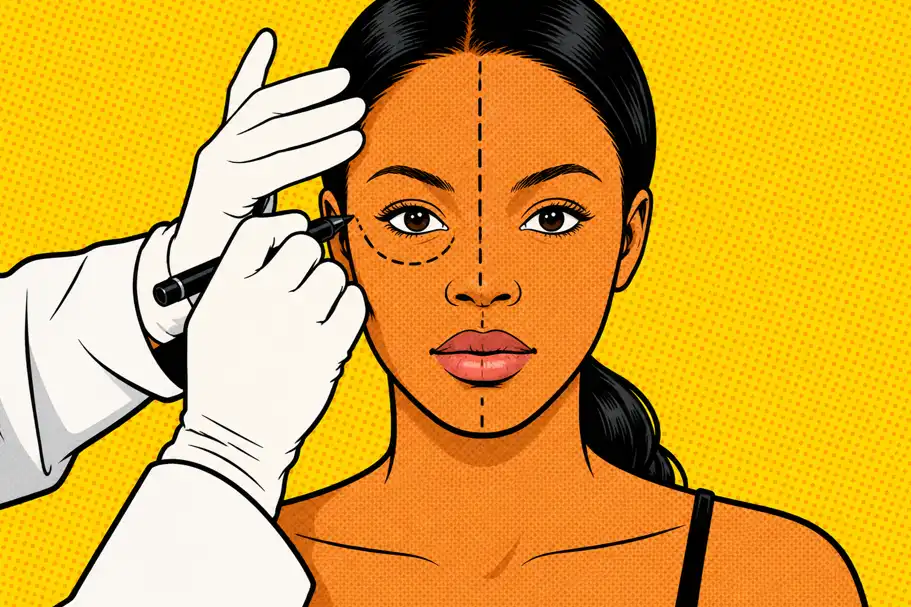
Modern Korean aesthetic medicine increasingly focuses on subtle enhancement.
Patients often request:
- Healthier skin
- Better facial balance
- Refreshed appearance
- Improved confidence
Rather than dramatic transformations, physicians frequently recommend gradual improvements that preserve natural identity.
This philosophy aligns well with many international patients seeking refined, balanced outcomes.
Cost Advantages
Compared with many private healthcare providers in North America, medical treatments in Korea are often competitively priced.
Factors contributing to value include:
- Efficient healthcare delivery
- High patient volume
- Advanced domestic medical technology
- Competitive healthcare market
Patients should compare:
- Physician qualifications
- Clinic accreditation
- Technology
- Follow-up care
- Total treatment value
rather than choosing solely based on cost.
Safety Considerations
Every medical procedure carries risks.
Patients should:
- Verify physician credentials
- Confirm board certification
- Discuss potential complications
- Review expected recovery
- Ask about emergency support
- Understand postoperative care
Choosing an experienced physician remains one of the most important factors influencing successful outcomes.
Travel Tips for International Patients
Before traveling:
- Schedule consultations several weeks ahead.
- Bring previous medical records.
- Prepare medication lists.
- Purchase travel insurance if appropriate.
- Plan adequate recovery time.
- Follow all preoperative instructions.
Patients undergoing surgery should avoid scheduling immediate return flights unless approved by their treating physician.
FAQ Section

Is Korea a good destination for African American medical tourists?
Yes. Korea is internationally recognized for advanced healthcare, experienced specialists, personalized treatment planning, and modern medical technology. Patients should choose reputable hospitals or clinics with experience treating international patients.
Are Korean doctors familiar with treating darker skin tones?
Many dermatologists and plastic surgeons who regularly treat international patients have experience managing skin of color. Patients should discuss their skin type and previous treatment history during the consultation.
What treatments are most popular?
Popular treatments include dermatology, plastic surgery, eye surgery, dentistry, wellness examinations, and anti-aging medicine.
Is medical tourism in Korea safe?
When treatment is provided by qualified physicians at reputable medical institutions following established clinical guidelines, Korea offers a strong reputation for patient safety and high-quality healthcare.
How long should patients stay in Korea?
The appropriate stay depends on the procedure. Some treatments require only a few days, while surgical procedures may require one to several weeks for postoperative follow-up before traveling home.
Final Takeaway
South Korea has established itself as one of the world’s leading medical tourism destinations by combining advanced technology, experienced physicians, evidence-based medicine, and patient-centered care. For African American patients, the advantages extend beyond affordability to include individualized treatment planning, growing expertise in skin of color, minimally invasive procedures, and comprehensive international patient services.
Whether seeking dermatology, plastic surgery, ophthalmology, dentistry, or preventive healthcare, successful medical travel begins with choosing qualified specialists, understanding treatment options, and maintaining realistic expectations. With careful planning and personalized care, Korea continues to provide international patients with access to safe, high-quality healthcare and natural-looking outcomes.
References
- World Health Organization (WHO). People-Centred Health Services and Quality of Care (2026).
- International Society of Aesthetic Plastic Surgery (ISAPS). Global Survey and Practice Guidelines (2026).
- American Academy of Dermatology (AAD). Clinical Guidance for Skin of Color (2026).
- American Academy of Ophthalmology (AAO). Preferred Practice Patterns (2026).
- Peer-reviewed publications from JAMA, The Lancet, Plastic and Reconstructive Surgery, Dermatologic Surgery, and Ophthalmology (current through 2026).

Korea Med Tour – Trusted Blog for Medical Tourism in Korea
Korea Med Tour is a trusted medical tourism content platform providing accurate, research-based healthcare information for international patients considering treatment in Korea.
Our editorial team specializes in global patient guidance, treatment insights, clinic selection, and medical travel planning. All content is developed using verified medical sources and structured editorial review processes to ensure clarity, safety, and reliability.
We are committed to helping international patients make informed and confident medical travel decisions when choosing Korea as their healthcare destination.