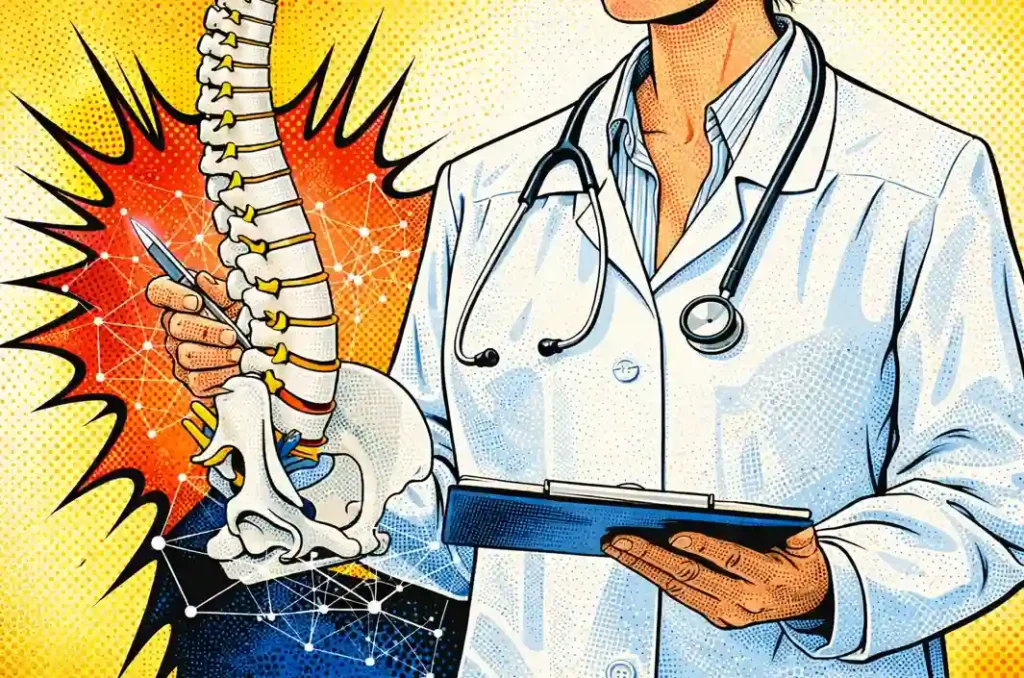

Herniated disc treatment in Korea focuses on non-surgical Korean medicine, combining acupuncture, Chuna manual therapy, herbal medicine, rehabilitation, and modern diagnostics. This personalized approach aims to relieve pain, reduce nerve inflammation, restore mobility, and help many patients recover without spinal surgery when clinically appropriate.
KoreaMedTour.com
Quick Summary
Herniated Disc Treatment in Korea (2026) emphasizes a personalized, non-surgical approach that combines Traditional Korean Medicine (TKM) with modern diagnostic imaging and rehabilitation. Rather than immediately recommending spinal surgery, Korean spine and Korean medicine hospitals often begin with conservative treatments such as acupuncture, pharmacopuncture, Chuna manual therapy, herbal medicine, and therapeutic exercise to relieve nerve pain, reduce inflammation, restore mobility, and support the body’s natural healing process. For patients with mild to moderate disc herniation and no emergency neurological symptoms, this integrative approach has become an increasingly popular option for both local and international patients seeking evidence-informed spine care.
Key Insights:
- Initial specialist consultation: ~$30–$100
- MRI (if needed): ~$200–$600
- Acupuncture session: ~$20–$80
- Pharmacopuncture: ~$30–$150 per session
- Chuna manual therapy: ~$30–$120 per session
- Customized herbal medicine: ~$200–$800 per month
- Typical treatment duration: 2–6 weeks, followed by home rehabilitation
- Commonly combined with: Acupuncture, Chuna therapy, pharmacopuncture, herbal medicine, physical rehabilitation, and posture education
- Primary goals: Pain relief, reduced nerve inflammation, improved spinal function, enhanced mobility, and prevention of recurrence
- Frequently treated conditions: Lumbar disc herniation, cervical disc herniation, sciatica, chronic low back pain, neck pain, and degenerative disc disease
- Modern diagnosis: MRI, neurological examination, and individualized treatment planning
- International patient services: Multilingual coordinators and personalized treatment programs available at many spine centers
- Surgery consideration: Reserved for severe neurological deficits or when conservative treatment is unsuccessful
Why It’s Effective & Trusted:
- Personalized treatment plans instead of one-size-fits-all protocols
- Licensed Korean Medicine Doctors and spine specialists collaborate when appropriate
- Integrates traditional therapies with modern MRI-based diagnosis
- Focuses on restoring function rather than only masking pain
- Emphasizes conservative treatment before surgical intervention whenever clinically appropriate
- Growing body of research supports acupuncture and multidisciplinary conservative spine care
- High-quality medical facilities with standardized safety and infection-control practices
- Comprehensive rehabilitation designed to reduce recurrence and improve long-term spine health
Clinical Advantages:
- May reduce back, neck, and radiating nerve pain without surgery
- Helps decrease inflammation surrounding compressed spinal nerves
- Improves flexibility, posture, and spinal mobility
- Combines multiple evidence-informed therapies into one coordinated treatment plan
- Personalized rehabilitation programs encourage long-term recovery
- Minimally invasive with little to no downtime for many patients
- Addresses muscle imbalance, movement dysfunction, and lifestyle factors contributing to recurrence
- Supports gradual return to work, exercise, and daily activities
Best Candidates for Herniated Disc Treatment in Korea:
- Patients with mild to moderate lumbar or cervical disc herniation
- Individuals experiencing sciatica or radiating leg pain
- Patients with neck pain accompanied by arm numbness or tingling
- Adults with chronic lower back pain caused by disc degeneration
- Individuals seeking to avoid or postpone spinal surgery when medically appropriate
- Patients whose symptoms have not improved with medication alone
- International patients looking for comprehensive, integrative spine treatment
- Individuals committed to rehabilitation, posture correction, and long-term spine health
Expected Outcomes:
- Reduced back, neck, and nerve pain
- Improved walking ability and daily mobility
- Better spinal flexibility and functional movement
- Reduced inflammation around affected spinal nerves
- Increased muscle strength and postural stability through rehabilitation
- Lower risk of symptom recurrence with ongoing exercise and lifestyle modification
- Improved quality of life without surgery for appropriately selected patients
- Personalized long-term spine management based on clinical progress
Bottom Line:
Herniated Disc Treatment in Korea offers a comprehensive, evidence-informed, and non-surgical approach that combines Traditional Korean Medicine with advanced medical diagnostics and rehabilitation. While surgery remains essential for patients with severe neurological complications or spinal instability, many individuals with mild to moderate disc herniation can achieve meaningful pain relief and functional recovery through personalized conservative care. With licensed specialists, multidisciplinary treatment plans, and internationally recognized healthcare standards, Korea continues to be a trusted destination for integrative spine care in 2026.
Table of Contents

What Is Non-Surgical Herniated Disc Treatment in Korea?
A herniated disc does not always require surgery. In Korea, many patients with mild to moderate disc herniation are treated using a comprehensive non-surgical approach that combines conventional medical evaluation with traditional Korean medicine (TKM). This approach focuses on reducing inflammation, relieving pain, improving mobility, and supporting the body’s natural healing process before considering surgical intervention.
Korean medicine hospitals commonly use a personalized treatment program that may include acupuncture, pharmacopuncture, herbal medicine, Chuna manual therapy, cupping therapy, and supervised rehabilitation exercises. These therapies are often integrated with MRI diagnosis, neurological examinations, and collaboration with orthopedic surgeons or neurosurgeons when necessary. For appropriately selected patients, this multidisciplinary approach may reduce symptoms, improve daily function, and delay or eliminate the need for surgery.
| Topic | Overview |
|---|---|
| Condition | Herniated (slipped) disc causing back or neck pain |
| Common Symptoms | Back pain, neck pain, sciatica, numbness, tingling, muscle weakness |
| Primary Goal | Reduce pain, inflammation, and nerve compression without surgery |
| Korean Medicine Treatments | Acupuncture, Pharmacopuncture, Herbal Medicine, Chuna Manual Therapy, Cupping, Rehabilitation |
| Typical Treatment Duration | 2–6 weeks depending on severity |
| Hospital Stay | Outpatient or short inpatient programs |
| Best Candidates | Mild to moderate disc herniation without severe neurological deficits |
| Surgery Needed? | Only when conservative treatment fails or emergency symptoms develop |
Understanding a Herniated Disc
The spine contains vertebrae separated by soft intervertebral discs that act as shock absorbers. Each disc has:
- A tough outer layer (annulus fibrosus)
- A gel-like center (nucleus pulposus)
A herniated disc occurs when the inner material pushes through the outer layer and irritates or compresses nearby spinal nerves.
Although commonly called a “slipped disc,” the disc does not actually slip out of place. Instead, part of its inner material protrudes beyond its normal boundary.
Common Causes
Several factors increase the risk of disc herniation:
- Age-related disc degeneration
- Repetitive heavy lifting
- Poor posture
- Obesity
- Smoking
- Sedentary lifestyle
- Sudden twisting injuries
- Occupations requiring prolonged sitting
Disc degeneration naturally occurs with aging, making discs less hydrated and more vulnerable to tearing.
Symptoms of a Herniated Disc
Symptoms depend on which nerve is affected.
Lumbar Herniated Disc
Common symptoms include:
- Lower back pain
- Pain radiating down one leg (sciatica)
- Numbness
- Tingling sensations
- Muscle weakness
- Difficulty standing or walking
Cervical Herniated Disc
Patients may experience:
- Neck pain
- Shoulder pain
- Arm pain
- Hand numbness
- Reduced grip strength
- Headaches related to neck tension
When Is Surgery Necessary?
Many patients worry that MRI findings automatically mean surgery is required.
In reality, numerous clinical guidelines recommend conservative treatment first unless serious neurological complications are present.
Immediate surgical evaluation is generally recommended when patients develop:
- Progressive muscle weakness
- Loss of bowel or bladder control
- Cauda equina syndrome
- Severe spinal cord compression
- Persistent disabling pain despite adequate conservative care
Otherwise, most patients begin with non-surgical management.
Why Korea Has Become a Destination for Conservative Spine Care
South Korea has developed specialized spine hospitals where conventional imaging, orthopedic medicine, rehabilitation, and Korean medicine work together.
International patients often choose Korea because of:
- Advanced MRI and diagnostic imaging
- Experienced spine specialists
- Integrated treatment planning
- Short waiting times
- Modern rehabilitation facilities
- Personalized treatment schedules
- Coordinated care for overseas patients
Many hospitals evaluate whether surgery is actually necessary before recommending invasive procedures.
The Korean Medicine Approach to Herniated Disc Treatment
Traditional Korean medicine does not simply target pain.
Instead, practitioners aim to improve spinal function, reduce inflammation, restore mobility, and support tissue recovery through multiple complementary therapies.
1. Acupuncture
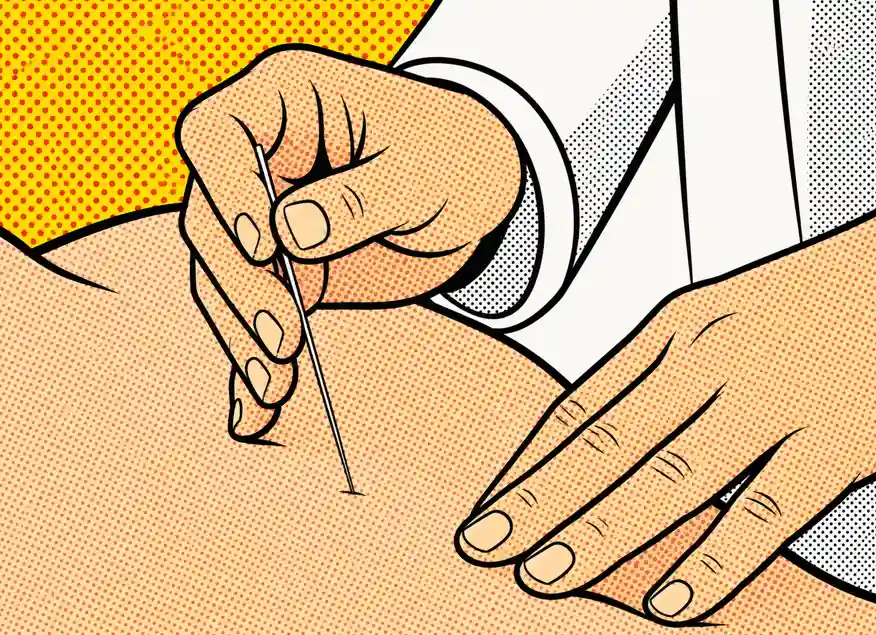
Acupuncture is one of the most researched Korean medicine treatments for spinal pain.
Very thin sterile needles are inserted into carefully selected anatomical points.
Potential mechanisms include:
- Modulating pain pathways
- Stimulating endogenous opioid release
- Improving local circulation
- Reducing muscle spasm
- Decreasing inflammatory mediators
Several systematic reviews suggest acupuncture may provide short-term improvements in pain and physical function for chronic low back pain when incorporated into a broader treatment plan.
2. Pharmacopuncture
Pharmacopuncture combines acupuncture with injections of purified herbal extracts at acupuncture points or around affected tissues.
Unlike steroid injections, pharmacopuncture uses herbal formulations developed within Korean medicine practice.
Potential goals include:
- Pain reduction
- Local anti-inflammatory effects
- Improved circulation
- Muscle relaxation
Treatment protocols vary depending on each patient’s diagnosis.
3. Chuna Manual Therapy
Chuna is a physician-performed manual therapy unique to Korean medicine.
It involves controlled spinal and joint mobilization techniques designed to:
- Improve spinal alignment
- Reduce joint stiffness
- Relax surrounding muscles
- Increase range of motion
- Improve posture
Unlike forceful spinal manipulation, Chuna emphasizes individualized assessment and controlled therapeutic movement.
4. Herbal Medicine
Customized herbal prescriptions are commonly combined with physical treatments.
Depending on the patient’s symptoms, herbal medicine may aim to:
- Reduce inflammation
- Improve circulation
- Relieve muscle tension
- Support recovery during rehabilitation
Herbal prescriptions should only be provided by qualified Korean medicine doctors because formulations vary according to the patient’s overall condition.
5. Cupping Therapy
Cupping creates negative pressure using specialized cups placed on the skin.
Possible therapeutic goals include:
- Muscle relaxation
- Increased superficial circulation
- Temporary pain relief
- Reduction of myofascial tension
Although evidence remains mixed, many patients report symptomatic relief when cupping is combined with other therapies.
6. Rehabilitation Exercise
Exercise is a critical component of successful conservative treatment.
After pain improves, patients typically begin individualized rehabilitation programs focusing on:
- Core strengthening
- Lumbar stabilization
- Flexibility
- Posture correction
- Walking programs
- Functional movement training
Exercise helps reduce recurrence after symptoms improve.
What Happens During Treatment in Korea?
A typical patient journey may include:
Step 1: Comprehensive Evaluation
Doctors perform:
- Medical history
- Physical examination
- Neurological assessment
- MRI review
- Functional movement evaluation
Step 2: Individualized Treatment Plan
Treatment frequency depends on:
- Disc location
- Symptom severity
- Duration of symptoms
- Neurological findings
- Previous treatments
Step 3: Intensive Conservative Therapy
Many international patients receive:
- Daily acupuncture
- Pharmacopuncture
- Chuna therapy
- Herbal medicine
- Physical rehabilitation
- Education about posture and activity modification
Step 4: Functional Recovery
Treatment gradually shifts toward:
- Strength restoration
- Mobility improvement
- Prevention of recurrence
- Home exercise instruction
Who Benefits Most from Non-Surgical Treatment?
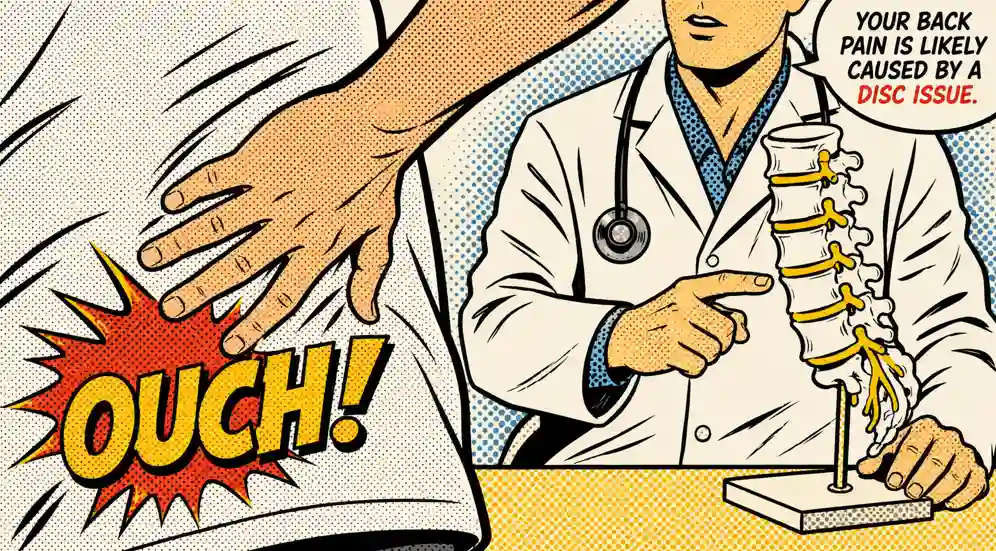
The best outcomes are generally seen in patients with:
- Mild to moderate disc herniation
- Recent onset symptoms
- Sciatica without severe weakness
- Neck pain with arm symptoms
- Chronic low back pain without emergency neurological findings
Patients experiencing severe paralysis or spinal instability may require surgical consultation instead.
Expected Recovery Timeline
Recovery varies considerably.
General expectations include:
| Time | Typical Progress |
|---|---|
| Week 1 | Pain management begins |
| Weeks 2–4 | Improved walking and mobility |
| Weeks 4–8 | Reduced nerve irritation |
| Months 2–6 | Continued functional recovery through rehabilitation |
Recovery depends on:
- Age
- Overall health
- Disc severity
- Physical activity
- Treatment adherence
Is There Scientific Evidence?
Growing research supports several Korean medicine interventions as components of multidisciplinary spine care.
Clinical studies have investigated:
- Acupuncture for chronic low back pain
- Manual therapy for spinal disorders
- Integrative rehabilitation programs
- Non-surgical treatment outcomes for lumbar disc herniation
Major organizations such as the World Health Organization (WHO), the American College of Physicians (ACP), and the National Institute for Health and Care Excellence (NICE) recognize that non-pharmacological treatments—including exercise, manual therapy in selected cases, and acupuncture under appropriate circumstances—may have a role in managing certain patients with chronic low back pain. Recommendations vary depending on the guideline, the specific condition, and the quality of available evidence.
However, no single therapy has been shown to reverse a herniated disc completely. The best outcomes are generally achieved through individualized, multimodal care combined with exercise and appropriate medical evaluation.
Safety Considerations
Before beginning treatment, patients should inform their healthcare providers about:
- Blood-thinning medications
- Pregnancy
- Diabetes
- Previous spine surgery
- Osteoporosis
- Active infections
- Allergies to herbal ingredients
Treatment should always be performed by licensed healthcare professionals in accredited medical facilities using sterile techniques and evidence-informed protocols.
Tips for International Patients
If traveling to Korea for treatment:
- Bring MRI images and radiology reports.
- Prepare a list of current medications and allergies.
- Ask whether additional imaging is needed before treatment.
- Confirm interpreter services if you are not fluent in Korean.
- Plan enough time for the recommended treatment course and follow-up.
- Continue prescribed rehabilitation exercises after returning home to support long-term recovery.
FAQ Section

Is herniated disc treatment in Korea effective without surgery?
Yes. Herniated disc treatment in Korea often begins with non-surgical herniated disc treatment using acupuncture, Chuna manual therapy, rehabilitation, and personalized Korean medicine. Many patients with mild to moderate disc herniation experience significant pain relief, improved mobility, and better daily function without requiring spinal surgery, although treatment suitability depends on individual medical evaluation.
What Korean medicine treatments are used for a herniated disc in Korea?
Korean medicine for herniated disc commonly includes acupuncture, pharmacopuncture, Chuna manual therapy, customized herbal medicine, cupping therapy, and rehabilitation exercises. These treatments are typically combined with MRI imaging and neurological assessments to create an individualized treatment plan aimed at reducing inflammation and relieving nerve compression.
How long does non-surgical herniated disc treatment in Korea usually take?
The duration of non-surgical herniated disc treatment in Korea varies depending on symptom severity, disc location, and recovery progress. Many patients receive intensive outpatient or inpatient Korean medicine treatment for one to six weeks, followed by home exercises and rehabilitation to improve long-term spinal stability and reduce recurrence.
Is acupuncture for herniated disc scientifically supported?
Acupuncture for herniated disc has been studied for its ability to reduce pain and improve physical function, particularly when combined with rehabilitation and other conservative treatments. While acupuncture does not repair a damaged disc directly, it may help decrease inflammation, relax muscles, and improve quality of life as part of comprehensive herniated disc treatment in Korea.
Who is a good candidate for herniated disc treatment in Korea?
Patients with mild to moderate lumbar or cervical disc herniation, sciatica, neck pain, or chronic back pain without severe neurological deficits are often good candidates for herniated disc treatment in Korea. Individuals with progressive muscle weakness, bowel or bladder dysfunction, or spinal cord compression should undergo immediate evaluation by a spine specialist, as surgery may be necessary.
Key Takeaways
Non-surgical Korean medicine offers a comprehensive approach to managing herniated discs by combining traditional therapies with modern diagnostic evaluation and rehabilitation. Treatments such as acupuncture, pharmacopuncture, Chuna manual therapy, herbal medicine, and structured exercise programs are tailored to each patient’s condition and are often used within an integrated healthcare setting.
While conservative care can help many individuals reduce pain, improve mobility, and return to daily activities, it is not appropriate for every case. Patients with severe neurological deficits or emergency symptoms require prompt surgical assessment. For the right candidates, however, Korea’s multidisciplinary, evidence-informed approach provides a well-established option that emphasizes functional recovery, individualized care, and long-term spine health.
References
- Korean Medicine Clinical Practice Guideline Development Committee. Clinical Practice Guideline for Lumbar Herniated Intervertebral Disc Using Korean Medicine. Journal of Korean Medicine. (Evidence-based guideline developed by Korean medicine experts.)
- Korea Institute of Oriental Medicine (KIOM). Research on Korean Medicine and Integrative Spine Care. https://www.kiom.re.kr
- National Center for Complementary and Integrative Health (NCCIH). Acupuncture: In Depth. U.S. National Institutes of Health. https://www.nccih.nih.gov
- Agency for Healthcare Research and Quality (AHRQ). Noninvasive Treatments for Low Back Pain. https://www.ahrq.gov

Korea Med Tour – Trusted Blog for Medical Tourism in Korea
Korea Med Tour is a trusted medical tourism content platform providing accurate, research-based healthcare information for international patients considering treatment in Korea.
Our editorial team specializes in global patient guidance, treatment insights, clinic selection, and medical travel planning. All content is developed using verified medical sources and structured editorial review processes to ensure clarity, safety, and reliability.
We are committed to helping international patients make informed and confident medical travel decisions when choosing Korea as their healthcare destination.