


Advanced medical procedures in Korea include robotic surgery, proton and heavy-ion therapy, precision cancer treatment, minimally invasive procedures, advanced cardiovascular care, neurosurgery, and ophthalmic treatments. International patients can access specialized medical care through Korea’s advanced hospitals, but treatment should be selected based on diagnosis, clinical evidence, specialist expertise, safety, and individual medical needs.
KoreaMedTour.com
Quick Summary
Advanced Medical Procedures in Korea (2026) offer international patients access to highly specialized healthcare supported by advanced diagnostic technology, experienced specialists, sophisticated hospital infrastructure, and multidisciplinary treatment programs. Depending on the diagnosis, advanced care may include robotic surgery, proton and heavy-ion therapy, precision cancer treatment, minimally invasive interventions, complex cardiovascular procedures, advanced neurosurgery, and specialized ophthalmic treatments. However, advanced technology is not automatically the best option for every patient; treatment decisions should be based on medical indication, clinical evidence, specialist expertise, individual risk factors, and appropriate follow-up care.
Key Insights
- Major advanced procedures: Robotic surgery, proton therapy, heavy-ion therapy, stereotactic radiation, precision oncology, minimally invasive procedures, cardiovascular interventions, neurosurgery, and advanced ophthalmic treatment
- Treatment approach: Individualized diagnosis, specialist consultation, advanced imaging, multidisciplinary evaluation, and evidence-based treatment planning
- Typical treatment process: Medical record review → specialist consultation → diagnostic evaluation → treatment planning → procedure → recovery → follow-up
- Cost: Varies significantly by procedure, hospital, physician, medical devices, diagnostic testing, hospitalization, and follow-up requirements
- Primary goals: Improve treatment precision, minimize unnecessary tissue damage where appropriate, control disease, preserve function, reduce treatment burden, and optimize clinical outcomes
- Advanced cancer care: Precision oncology, image-guided intervention, proton therapy, heavy-ion therapy, stereotactic radiation, and complex cancer surgery
- Minimally invasive care: Image-guided ablation, catheter-based cardiovascular procedures, robotic surgery, and other procedures designed to reduce surgical invasiveness when clinically appropriate
- International patient services: Many major Korean hospitals provide international patient coordination, multilingual support, medical interpretation, and assistance with treatment scheduling
- Important consideration: The newest technology should not be selected solely because it is technologically advanced; clinical suitability and evidence should guide treatment decisions
Why It’s Safe & Trusted
- Treatment is performed by qualified specialists and multidisciplinary medical teams
- Major Korean hospitals maintain advanced diagnostic, surgical, intensive-care, and emergency infrastructure
- Medical technologies and devices are subject to Korean regulatory oversight and applicable safety requirements
- International patients can access structured medical consultation and interpretation services
- Treatment plans can incorporate imaging, pathology, laboratory results, and previous medical records
- Patients can compare conventional and advanced treatment options before making a decision
- Major procedures generally include pre-treatment assessment, informed consent, and postoperative or post-treatment monitoring
- Korea has established a national framework for institutions providing healthcare services to international patients
Clinical Advantages
- Greater treatment precision: Advanced imaging, navigation, and computer-assisted technologies can improve procedural accuracy in selected cases
- Potentially less invasive treatment: Robotic and image-guided procedures may reduce incision size or surgical trauma for appropriate patients
- Advanced cancer management: Specialized radiation and interventional technologies provide additional options for selected cancers
- Personalized treatment: Molecular testing and precision oncology can help identify treatment strategies appropriate for specific tumors
- Organ and function preservation: Some advanced techniques are designed to target disease while limiting exposure or damage to surrounding healthy tissue
- Multidisciplinary expertise: Complex cases can be evaluated by specialists from multiple medical departments
- Comprehensive diagnostics: Advanced imaging and laboratory technologies can support more detailed treatment planning
- Integrated international care: International patient programs can coordinate consultation, treatment, interpretation, scheduling, and follow-up
Best Candidates for Advanced Medical Procedures in Korea
- Patients requiring specialized or complex medical treatment
- Individuals seeking a second opinion for difficult or complicated diagnoses
- Cancer patients who may qualify for specialized radiation, interventional, surgical, or precision treatments
- Patients considering robotic or minimally invasive surgery for an appropriate condition
- Individuals requiring complex cardiovascular or neurological procedures
- Patients seeking advanced ophthalmic evaluation or vision correction
- International patients whose required treatment is not readily available or accessible in their home country
- Patients who can provide complete medical records, imaging, pathology, and medication history for specialist evaluation
- Individuals willing to undergo comprehensive diagnostic testing before treatment
- Patients who understand the importance of postoperative monitoring and follow-up after returning home
Expected Outcomes
- More individualized treatment planning based on diagnosis and patient characteristics
- Improved procedural precision in appropriately selected cases
- Potentially shorter recovery or hospitalization for certain minimally invasive procedures
- Better targeting of tumors or abnormal tissue with selected advanced technologies
- Reduced exposure of healthy tissue in certain radiation treatment plans
- Improved disease control or symptom management when the treatment is clinically appropriate
- Better coordination between diagnostic, surgical, radiation, medical, and rehabilitation specialists
- A clearer long-term treatment and follow-up strategy for international patients
Important: Outcomes vary substantially according to the disease, treatment type, stage, patient health, physician expertise, and response to therapy. No advanced medical procedure can guarantee a specific outcome.
Bottom Line
Advanced Medical Procedures in Korea provide international patients with access to sophisticated treatments ranging from robotic surgery and precision oncology to proton therapy, heavy-ion therapy, minimally invasive interventions, cardiovascular procedures, neurosurgery, and advanced ophthalmic care. Korea’s combination of specialized physicians, advanced hospital infrastructure, diagnostic capabilities, and international patient services makes it an important destination for complex medical care in 2026.
However, “advanced” does not automatically mean “better.” The safest approach is to begin with an accurate diagnosis, obtain a specialist evaluation, compare appropriate treatment alternatives, review the evidence and potential risks, and select a hospital with demonstrated expertise in the specific procedure. For international patients, arrangements for medical records, interpretation, recovery, and post-treatment follow-up should be considered part of the treatment plan—not as an afterthought.
Table of Contents

What Are Advanced Medical Procedures?
Advanced medical procedures are treatments or diagnostic interventions that use sophisticated medical technology, specialized clinical expertise, or highly precise techniques to manage conditions that may be difficult to diagnose or treat using conventional approaches.
They may involve:
- Robotic or computer-assisted surgery
- Image-guided minimally invasive procedures
- Proton or heavy-ion radiation therapy
- Stereotactic radiosurgery
- Advanced cancer surgery and precision oncology
- Complex cardiovascular interventions
- Neurosurgical procedures using advanced imaging and navigation
- Advanced ophthalmic procedures
- Regenerative and cell-based therapies
- AI-assisted diagnostic and medical-device technologies
The term “advanced” does not automatically mean “better.” A newer or more technologically sophisticated treatment is beneficial only when it has an appropriate medical indication and a favorable balance between expected benefit and risk.
This distinction is particularly important for international patients who may encounter marketing claims describing a procedure as “next generation,” “cutting edge,” or “minimally invasive.” The correct question is whether the treatment is supported by clinical evidence and appropriate for the individual patient.
Why Is Korea Known for Advanced Medical Care?
Korea’s healthcare system combines high hospital capacity, specialist expertise, advanced diagnostic infrastructure, and rapid adoption of medical technologies.
According to the OECD’s 2025 Korea country profile, Korea had 12.6 hospital beds per 1,000 population, compared with an OECD average of 4.2, and 87 CT, MRI and PET units per million population compared with 51 across the OECD. Korea also performed above the OECD average on six of ten selected indicators relating to healthcare access and quality.
Korea has also established a significant international-patient infrastructure. Medical Korea, operated under the Korea Health Industry Development Institute, reports that approximately 1.17 million foreign patients from 202 countries received medical services in Korea in 2024, bringing the cumulative number of foreign patients since 2009 to approximately 5.05 million.
For international patients, this ecosystem can be important because advanced treatment often requires much more than a procedure itself. Patients may need:
- International medical consultation
- Translation of previous medical records
- Diagnostic testing
- Multidisciplinary evaluation
- Treatment planning
- The procedure or surgery
- Hospitalization or observation
- Rehabilitation
- Medication management
- Follow-up after returning home
The Korean Ministry of Health and Welfare states that medical institutions serving foreign patients arrange interpretation and multilingual medical consultation services and that institutions participating in the foreign-patient system are subject to requirements including compensation insurance for potential adverse events.
1. Robotic Surgery in Korea
Robotic surgery is one of the most recognizable advanced procedures available in Korea.
In robot-assisted surgery, the surgeon controls specialized instruments from a console. The robotic system does not independently decide how to perform the operation. Instead, it translates the surgeon’s hand movements into precise instrument movements.
Robotic platforms may be used in selected:
- Prostate cancer operations
- Kidney and bladder surgery
- Colorectal procedures
- Gynecologic surgery
- Head and neck surgery
- Thoracic surgery
- Gastrointestinal surgery
- Complex abdominal procedures
Potential advantages can include smaller incisions, improved visualization, articulated instruments, and greater precision in confined anatomical spaces.
However, robotic surgery is not automatically superior to conventional surgery. Outcomes depend heavily on the specific procedure, patient anatomy, disease stage, surgeon experience, and hospital protocol.
For example, Bundang Seoul National University Hospital reports extensive experience with the da Vinci robotic system, including thousands of urological robotic procedures.
Who may benefit?
A patient may be considered for robotic surgery when:
- The anatomy is suitable
- The procedure has an established robotic approach
- Minimally invasive surgery offers a meaningful benefit
- The surgeon has appropriate experience
- The expected benefits outweigh the risks and additional cost
A consultation should therefore focus on the procedure and surgeon’s outcomes, rather than simply asking whether a hospital owns a robotic system.
2. Proton Therapy and Heavy-Ion Therapy
Korea is also recognized for advanced radiation oncology.
Proton therapy
Proton therapy uses accelerated protons rather than conventional X-rays. Its physical characteristics allow radiation planners to concentrate dose within the target while reducing unnecessary radiation exposure to tissues beyond the target.
The National Cancer Information Center explains that proton therapy uses the Bragg peak, a physical phenomenon that allows the proton beam to deposit a high proportion of its energy at a planned depth.
This can be particularly relevant when a tumor is located close to sensitive structures.
Potential clinical applications include selected:
- Pediatric brain tumors
- Head and neck cancers
- Liver cancers
- Lung cancers
- Esophageal cancers
- Pancreatic cancers
- Prostate cancers
- Other appropriately selected solid tumors
Importantly, proton therapy is not automatically more effective than conventional radiation for every cancer. The principal clinical advantage may be reducing radiation exposure to healthy tissues, depending on tumor location and treatment plan.
Heavy-ion therapy
Heavy-ion therapy, particularly carbon-ion therapy, is another form of particle therapy.
According to Korea’s National Cancer Information Center, heavy-ion treatment can allow hypofractionated treatment in selected localized solid tumors, potentially reducing the number of treatment sessions. As of the Center’s June 2026 update, Yonsei Cancer Center was operating a heavy-ion facility, while additional facilities were being prepared at Seoul National University Hospital and Asan Medical Center.
Because heavy-ion therapy remains specialized and indications differ by tumor type, patients should obtain a radiation oncology assessment rather than selecting the technology based solely on its reputation.
3. Stereotactic Radiosurgery and Image-Guided Radiation
Stereotactic radiosurgery is another highly precise technology used in selected brain and other tumors.
Despite the word “surgery,” stereotactic radiosurgery generally does not involve a conventional surgical incision. Instead, precisely targeted radiation is delivered from multiple angles.
The National Cancer Information Center describes stereotactic radiation surgery as delivering concentrated high-energy radiation to a target from multiple directions while attempting to limit exposure to surrounding brain tissue.
Depending on the clinical situation, technologies may include:
- Gamma Knife
- CyberKnife
- Stereotactic body radiation therapy
- Image-guided radiation therapy
These treatments may be considered for selected brain metastases, benign intracranial tumors, vascular lesions, and certain extracranial tumors.
The suitability depends on tumor size, location, number of lesions, previous radiation, overall health, and treatment objectives.
4. Advanced Interventional Oncology
Not every cancer requires open surgery.
Interventional radiology can use imaging such as ultrasound, CT, fluoroscopy, or MRI to guide instruments directly to a lesion.
Examples include:
- Radiofrequency ablation
- Microwave ablation
- Cryoablation
- Transarterial chemoembolization
- Transarterial radioembolization
- Image-guided biopsy
- Drainage procedures
Radiofrequency ablation
Radiofrequency ablation uses an electrode inserted into a tumor. Radiofrequency energy generates heat, causing thermal destruction of the targeted tissue.
The National Cancer Information Center explains that radiofrequency ablation is widely used for selected liver cancers and can also have applications in certain metastatic or other tumors.
Importantly, eligibility is highly specific. Tumor size, number, location, relationship to blood vessels and adjacent organs, liver function, and metastatic disease can all influence whether ablation is appropriate.
This illustrates an important principle of advanced medicine:
The technology is only one part of the treatment decision. Patient selection is equally important.
5. Precision Cancer Treatment
Modern cancer treatment increasingly moves away from treating every tumor in exactly the same way.
Precision oncology may incorporate:
- Histopathology
- Molecular profiling
- Genetic alterations
- Biomarker testing
- Imaging characteristics
- Tumor stage
- Previous treatment response
- Patient-specific clinical factors
The objective is to identify treatments that are more biologically appropriate for a particular cancer.
Depending on the disease, this can involve targeted therapies, immunotherapy, hormone therapy, chemotherapy, radiation, surgery, or combinations of these approaches.
Korea has also invested in health-data infrastructure. The OECD has described Korea as having strong availability, maturity, and coverage of important health datasets, while noting that integrated health information systems can support quality improvement and innovation.
For patients, the practical implication is that a sophisticated cancer center may be able to combine imaging, pathology, molecular information, and multidisciplinary expertise when developing a treatment plan.
6. Advanced Cardiovascular Procedures
Korea’s major university hospitals and tertiary medical centers provide highly specialized cardiovascular services.
Advanced cardiovascular care may include:
- Coronary angiography and intervention
- Drug-eluting stents
- Structural heart procedures
- Transcatheter aortic valve replacement
- Electrophysiology procedures
- Catheter ablation for arrhythmias
- Complex vascular interventions
- Mechanical circulatory support in selected situations
Many procedures are performed through catheters rather than traditional open surgery.
For an international patient, the most important preparation is usually a complete cardiovascular record, including:
- ECG results
- Echocardiography
- CT or MRI images
- Coronary angiography
- Previous procedure reports
- Medication list
- Laboratory results
- Diagnosis and treatment history
Original imaging files are particularly valuable because specialists may want to review the actual scans rather than relying only on translated reports.
7. Advanced Neurosurgery and Neurological Treatment
Neurological treatment is another area where precision technology can be especially important.
Advanced approaches may include:
- Image-guided brain surgery
- Intraoperative navigation
- Stereotactic procedures
- Deep brain stimulation
- Endovascular treatment of cerebral aneurysms
- Mechanical thrombectomy for selected acute ischemic strokes
- Minimally invasive spinal procedures
- Advanced epilepsy surgery
For many neurological conditions, the correct treatment depends on highly detailed anatomical and functional information.
For example, the treatment strategy for a brain tumor can depend on its size, location, relationship to critical functional areas, pathology, molecular characteristics, and previous treatments.
Consequently, patients should look for a multidisciplinary neurological center, rather than simply choosing a hospital because it advertises a particular device.
8. Advanced Ophthalmic Procedures
Korea is also known internationally for ophthalmic surgery.
Advanced vision correction options may include:
- SMILE
- Femtosecond LASIK
- Customized LASIK
- LASEK
- ICL implantation
- Corneal procedures
- Retinal surgery
- Cataract surgery using advanced intraocular lenses
The appropriate procedure depends on corneal thickness, refractive error, ocular surface health, age, lens status, retinal condition, and other factors.
For example, a patient with significant myopia and unsuitable corneal parameters may not be an ideal candidate for laser vision correction but could potentially be evaluated for an implantable lens.
Therefore, a comprehensive eye examination should precede any procedure decision.
9. Regenerative and Cell-Based Medicine
Regenerative medicine is one of the areas attracting substantial global attention.
Potential approaches include:
- Stem-cell-based research
- Cell therapies
- Tissue engineering
- Platelet-derived therapies
- Regenerative orthopedic applications
- Experimental tissue-repair approaches
However, this category requires particular caution.
“Stem cell therapy” is not a single treatment. Evidence, regulatory status, indications, and clinical outcomes vary substantially between different cell products and conditions.
Patients should ask:
- What exact cells or biological product are being used?
- What is the approved indication?
- Is the treatment part of routine clinical care or a clinical trial?
- What published evidence supports it?
- What are the known adverse effects?
- Who regulates the product?
- What happens if complications occur?
Korea’s Ministry of Food and Drug Safety regulates medical devices according to risk classifications and requires technical documentation addressing factors such as intended use, mechanism of action, safety, and performance. For certain higher-risk or substantially different technologies, clinical evidence can be required as part of safety and efficacy review.
This regulatory framework is one reason international patients should distinguish between approved clinical treatment and experimental therapy.
How Should International Patients Choose an Advanced Procedure in Korea?
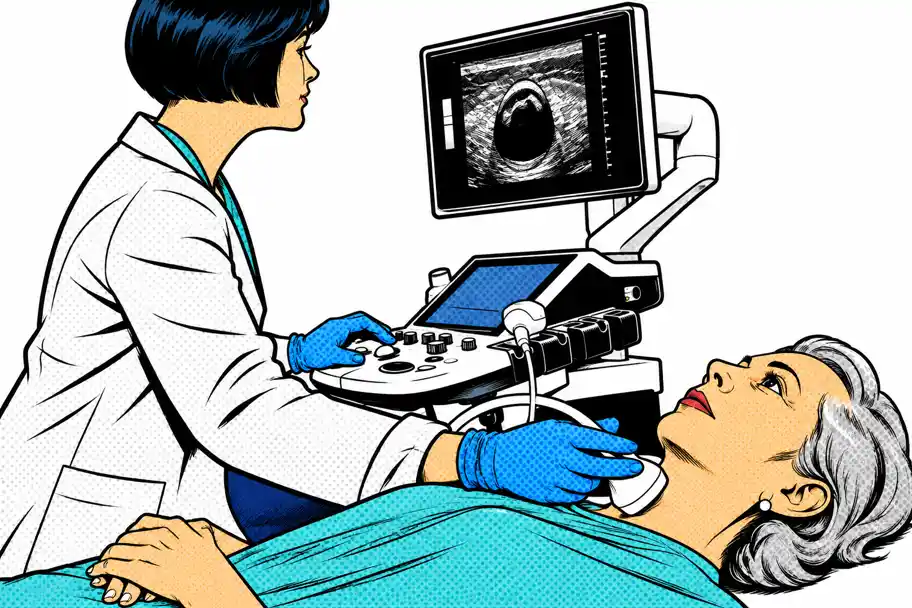
The best approach is to work backward from the diagnosis rather than forward from the technology.
Step 1: Confirm the diagnosis
Before considering an advanced procedure, make sure the diagnosis is established.
Step 2: Identify the treatment objective
Ask whether the goal is:
- Cure
- Disease control
- Symptom relief
- Organ preservation
- Functional recovery
- Reduced treatment time
- Reduced treatment-related toxicity
Step 3: Compare appropriate treatment options
Ask the specialist to compare conventional treatment with the advanced alternative.
Step 4: Evaluate the hospital
Consider:
- Relevant specialty department
- Specialist credentials
- Procedure volume
- Multidisciplinary care
- Hospital accreditation
- Emergency infrastructure
- Intensive care capability when relevant
- International patient support
Step 5: Request a written treatment plan
International patients should ideally receive a document explaining:
- Diagnosis
- Recommended procedure
- Alternatives
- Expected hospitalization
- Estimated recovery
- Major risks
- Follow-up schedule
- Estimated costs
Step 6: Plan post-treatment care
A treatment plan is incomplete if it does not explain what happens after returning home.
This is especially important for surgery, cancer treatment, cardiovascular procedures, and treatments requiring serial follow-up.
What Does Advanced Medical Treatment in Korea Cost?
There is no single “Korea advanced medical procedure price.”
Costs can vary according to:
- Procedure type
- Hospital
- Physician
- Disease complexity
- Diagnostic testing
- Length of hospitalization
- Anesthesia
- Medical devices
- Medications
- Rehabilitation
- Follow-up requirements
- Whether treatment is covered by Korea’s national insurance system
- Whether the patient is an international self-paying patient
For foreign patients, it is particularly important to distinguish between treatment cost and total medical-trip cost.
The total budget may include:
| Cost category | Examples |
|---|---|
| Medical evaluation | Consultation, laboratory testing, imaging |
| Treatment | Surgery, radiation, medication, procedure |
| Hospitalization | Room, nursing, monitoring |
| Medical devices | Implants or procedure-specific equipment |
| Follow-up | Additional imaging, consultations |
| Travel | Flights and local transportation |
| Accommodation | Hotel or recovery stay |
| Interpretation | Medical interpretation when required |
Patients should request an itemized quotation and clarify which services are included before traveling.
Safety Checklist for International Patients
Before committing to advanced treatment in Korea, verify:
- Medical indication: Is the treatment appropriate for your diagnosis?
- Evidence: Is there credible clinical evidence?
- Regulatory status: Is the technology approved or being investigated?
- Physician expertise: How experienced is the specialist with this specific procedure?
- Hospital capability: Can the hospital manage complications?
- Alternatives: What conventional treatments are available?
- Risks: What are the major complications?
- Recovery: How long should you remain in Korea?
- Follow-up: Who will provide care after you return home?
- Communication: Is professional medical interpretation available?
- Cost: Is the quotation comprehensive and itemized?
- Records: Will you receive operative reports, imaging, pathology, and treatment summaries?
Korea’s Ministry of Health and Welfare has established systems for institutions serving international patients, including multilingual consultation and interpretation support and accreditation mechanisms for hospitals serving foreign patients.
FAQ Section

What are the most advanced medical procedures in Korea?
Advanced medical procedures in Korea include robotic surgery, proton therapy, heavy-ion therapy, stereotactic radiation, precision cancer treatment, minimally invasive procedures, advanced cardiovascular interventions, neurosurgery, and specialized ophthalmic treatments. The appropriate advanced treatments in Korea depend on the patient’s diagnosis, treatment goals, medical history, and specialist evaluation.
Why do international patients choose advanced medical procedures in Korea?
International patients consider advanced medical procedures in Korea because the country offers sophisticated hospitals, specialized physicians, advanced diagnostic technology, and a developed medical tourism infrastructure. Medical tourism in Korea may be particularly relevant for patients seeking specialized cancer treatment, robotic surgery, complex cardiovascular care, or other procedures requiring advanced clinical expertise.
How much do advanced medical procedures in Korea cost?
The cost of advanced medical procedures in Korea varies according to the treatment, hospital, specialist, medical devices, diagnostic tests, hospitalization, and follow-up care. Patients researching advanced treatments in Korea should request an itemized medical quotation that clearly separates consultation, testing, treatment, hospitalization, medication, and follow-up expenses.
How can international patients choose a hospital for advanced treatment in Korea?
International patients should compare hospitals based on specialist expertise, experience with the specific procedure, multidisciplinary care, hospital facilities, emergency capabilities, international-patient services, and follow-up arrangements. When evaluating specialized medical care in Korea, patients should focus on the clinical suitability of the treatment rather than choosing a hospital solely because it uses the newest technology.
Is Korea safe for advanced medical procedures and medical tourism?
Advanced medical procedures in Korea can be considered through established hospitals and qualified specialists, but no medical procedure is completely risk-free. International patients considering medical tourism in Korea should verify the physician’s qualifications, hospital capabilities, treatment evidence, potential complications, expected recovery period, and arrangements for follow-up care after returning home.
Key Takeaways
Korea offers a broad range of advanced medical technologies, from robot-assisted surgery and precision cancer treatment to proton therapy, heavy-ion therapy, stereotactic radiation, interventional oncology, complex cardiovascular procedures, advanced neurosurgery, and sophisticated ophthalmic treatment.
The country’s substantial medical infrastructure and growing international-patient ecosystem make Korea a serious option for patients seeking specialized treatment. OECD data also demonstrate Korea’s relatively high level of hospital capacity and diagnostic imaging resources compared with OECD averages.
But the most important lesson for medical travelers is simple:
Do not choose a treatment because it is marketed as the most advanced. Choose it because a qualified specialist has determined that it is appropriate for your diagnosis, supported by evidence, and available within a hospital capable of delivering safe, comprehensive care.
For an international patient, the ideal process is therefore diagnosis → specialist evaluation → treatment comparison → hospital selection → individualized treatment plan → procedure → follow-up.
Advanced medicine is ultimately not about having the newest machine. It is about using the right technology, for the right patient, at the right time, under the supervision of the right clinical team.
References
- Korea Ministry of Health and Welfare — International Patient Services
- Medical Korea / Korea Health Industry Development Institute — International Healthcare and Advanced Treatment Information
- Ministry of Food and Drug Safety — Medical Device Approval and Safety Regulations
- National Cancer Information Center, Korea — Radiation, Proton and Heavy-Ion Therapy Information

Korea Med Tour – Trusted Blog for Medical Tourism in Korea
Korea Med Tour is a trusted medical tourism content platform providing accurate, research-based healthcare information for international patients considering treatment in Korea.
Our editorial team specializes in global patient guidance, treatment insights, clinic selection, and medical travel planning. All content is developed using verified medical sources and structured editorial review processes to ensure clarity, safety, and reliability.
We are committed to helping international patients make informed and confident medical travel decisions when choosing Korea as their healthcare destination.