
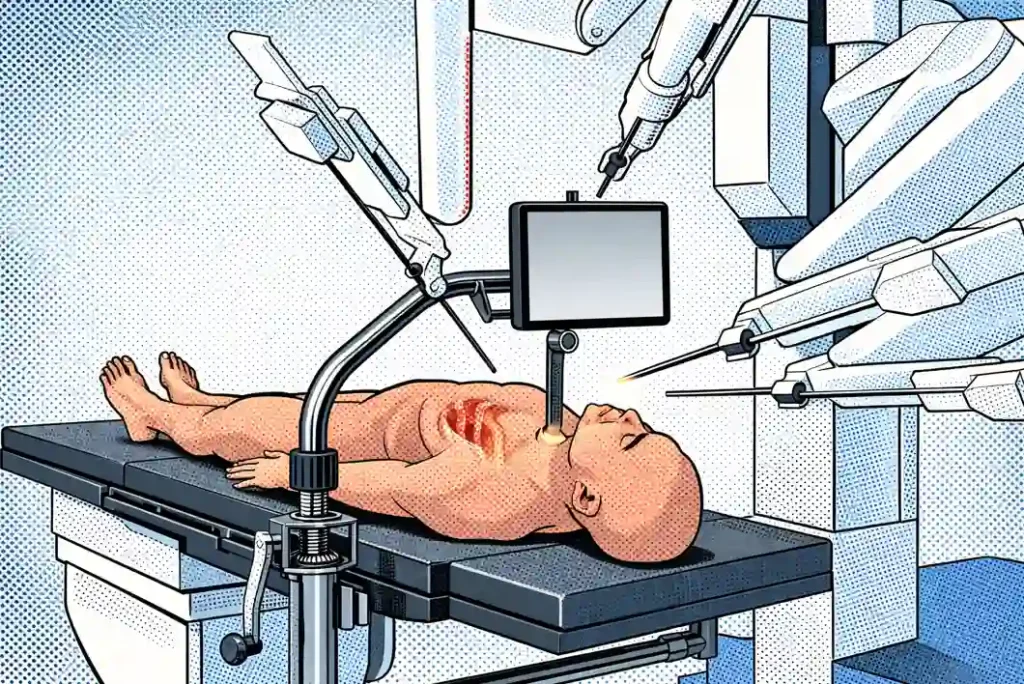

Korean hospitals offer innovative treatments including robotic-assisted surgery, proton therapy, precision cancer treatment, genomic testing, AI-supported diagnostics, robotic bronchoscopy, and advanced image-guided procedures. These technologies are used alongside multidisciplinary specialist care to provide personalized treatment options for eligible international patients.
KoreaMedTour.com
Quick Summary
Innovative Treatments Available in Korean Hospitals (2026) provide international patients with access to advanced medical technologies and multidisciplinary specialist care, including robotic-assisted surgery, proton therapy, precision cancer treatment, genomic testing, AI-supported diagnostics, robotic bronchoscopy, advanced radiation therapy, and image-guided minimally invasive procedures. Treatment selection is based on the patient’s diagnosis, disease stage, medical history, treatment goals, and available clinical evidence rather than technology alone.
Key Insights
- Major innovative treatments: Robotic-assisted surgery, proton therapy, precision oncology, genomic testing, AI-supported medical imaging, robotic bronchoscopy, advanced radiation therapy, and image-guided interventions
- Robotic surgery: Minimally invasive robotic-assisted procedures are available for selected conditions across specialties including urology, gynecology, colorectal surgery, thoracic surgery, and cancer treatment
- Proton therapy: Advanced radiation treatment that may help reduce radiation exposure to nearby healthy tissues in appropriately selected patients
- Precision cancer treatment: Genomic and molecular testing can help identify biomarkers that may influence targeted therapy, immunotherapy, clinical-trial eligibility, or treatment planning
- AI-supported diagnosis: AI-based medical technologies can assist qualified clinicians with medical imaging, lesion detection, image analysis, and clinical decision support
- Robotic bronchoscopy: Advanced navigation technology can assist specialists in reaching and sampling selected peripheral lung nodules that may be difficult to access using conventional techniques
- Advanced radiation therapy: Modern Korean cancer centers may provide image-guided radiation therapy, intensity-modulated radiation therapy, tomotherapy, brachytherapy, and other specialized radiation approaches
- Minimally invasive interventions: Image-guided biopsies, ablation, embolization, drainage, and catheter-based procedures may provide alternatives to selected conventional surgical approaches
- Multidisciplinary care: Complex cases may be evaluated by surgeons, oncologists, radiologists, pathologists, radiation specialists, genetic specialists, and other healthcare professionals
- Personalized treatment: Advanced technology is selected according to the patient’s diagnosis, anatomy, disease stage, previous treatment, overall health, and clinical evidence
- International patients: Patients traveling to Korea should prepare medical records, pathology, imaging, laboratory results, medication history, treatment records, interpretation requirements, and follow-up plans
- Important consideration: The newest or most sophisticated technology is not necessarily the best treatment for every patient; evidence, clinical expertise, safety, and individual suitability should guide treatment decisions
Why It’s Safe & Trusted
- Treatment decisions can be made by qualified specialist physicians following a detailed clinical assessment
- Major Korean hospitals use multidisciplinary teams for complex diseases and advanced treatment planning
- Patient medical history, previous treatments, medications, diagnostic imaging, pathology, and laboratory results can be reviewed before treatment
- Advanced technologies are subject to Korea’s medical-device and healthcare regulatory framework, including oversight by the Ministry of Food and Drug Safety (MFDS)
- Hospitals can evaluate whether an innovative procedure is clinically appropriate rather than recommending technology solely because it is available
- Patients can discuss conventional treatment, minimally invasive procedures, and advanced technologies with qualified specialists
- International patients can arrange medical record review and specialist consultation before traveling to Korea
- Appropriate patients may receive additional diagnostic testing when previous records are incomplete or treatment decisions require updated information
- Treatment risks, potential benefits, alternatives, and expected recovery should be explained before informed consent
- Post-treatment monitoring and follow-up planning are particularly important for international patients returning to their home country
- Patients should verify whether a proposed technology is standard clinical care, conditionally approved, part of a clinical trial, or otherwise investigational
- Professional medical care should be distinguished from unregulated medical products or treatments promoted through unsupported marketing claims
Clinical Advantages
- Advanced surgical precision: Robotic-assisted surgery can provide enhanced visualization and articulated instruments for selected minimally invasive procedures
- Targeted radiation treatment: Proton therapy and advanced image-guided radiation techniques can help radiation specialists plan treatment while limiting unnecessary exposure to surrounding tissues when clinically appropriate
- Personalized oncology: Genomic and molecular testing may help identify treatment-relevant biomarkers in selected cancer patients
- Earlier or more precise diagnosis: AI-supported imaging and advanced diagnostic technologies can assist clinicians in detecting and characterizing abnormalities
- Less invasive treatment: Image-guided procedures may reduce the need for large surgical incisions in selected cases
- Specialized lung diagnosis: Robotic bronchoscopy can assist in obtaining tissue samples from certain difficult-to-reach peripheral lung lesions
- Multidisciplinary decision-making: Complex cases can benefit from coordinated input across surgery, oncology, radiology, pathology, radiation oncology, and other specialties
- Integrated treatment pathways: Advanced Korean hospitals can combine sophisticated diagnostics, treatment technologies, rehabilitation, and follow-up within a coordinated healthcare system
- Individualized treatment planning: Treatment can be adjusted according to disease characteristics, previous treatment, patient anatomy, overall health, and response
- International patient coordination: Dedicated international patient services may assist with appointments, medical records, interpretation, scheduling, and treatment coordination
Best Candidates for Innovative Treatments in Korean Hospitals
- International patients with complex or difficult-to-treat medical conditions seeking specialist evaluation
- Patients who require advanced minimally invasive surgery and may be candidates for robotic-assisted procedures
- Cancer patients who may benefit from proton therapy or other advanced radiation techniques
- Selected oncology patients who may benefit from genomic or molecular testing
- Patients with suspicious lung nodules who require advanced diagnostic evaluation
- Patients seeking multidisciplinary assessment for complex or rare diseases
- Individuals who have received previous treatment and require evaluation of additional treatment options
- Patients seeking a second medical opinion from specialists with experience in advanced treatment technologies
- International patients who can provide comprehensive medical records, imaging, pathology, laboratory results, and medication information
- Patients who understand that treatment eligibility depends on individual clinical assessment rather than nationality or treatment availability alone
- Individuals prepared to remain in Korea for the required consultation, diagnostic testing, treatment, and initial follow-up period when necessary
Additional medical evaluation may be particularly important for patients with advanced cancer, significant cardiovascular or respiratory disease, multiple chronic conditions, previous major surgery, complex medication regimens, or unclear diagnoses.
Expected Outcomes
- More precise diagnosis and characterization of selected diseases
- Access to advanced treatment options that may not be available in every healthcare system
- Potentially less invasive treatment for appropriately selected surgical or interventional cases
- More individualized cancer treatment planning through pathology, imaging, and molecular information
- Potential reduction of radiation exposure to surrounding healthy tissues in selected patients receiving advanced radiation treatment
- Improved diagnostic access to certain difficult-to-reach lesions through advanced image-guided or robotic procedures
- More coordinated treatment decisions through multidisciplinary specialist teams
- Potentially shorter recovery periods for selected minimally invasive procedures compared with appropriate conventional alternatives
- Better integration of diagnostic information into personalized treatment planning
- Structured follow-up and treatment monitoring after advanced procedures
Important: Outcomes vary substantially according to diagnosis, disease stage, age, overall health, anatomy, previous treatment, physician expertise, treatment technology, and individual response. No innovative treatment can guarantee a specific medical outcome.
Bottom Line
Innovative Treatments Available in Korean Hospitals in 2026 span far beyond robotic surgery. Leading Korean medical centers combine robotic-assisted procedures, proton therapy, precision oncology, genomic testing, AI-supported diagnostics, robotic bronchoscopy, advanced radiation therapy, and image-guided interventions with multidisciplinary specialist care.
For international patients, the most important advantage is not simply access to advanced equipment. The real value comes from matching the right technology to the right patient at the right stage of treatment. A sophisticated medical device cannot replace accurate diagnosis, experienced specialists, evidence-based treatment selection, and appropriate follow-up.
Patients considering advanced treatment in Korea should therefore begin with a comprehensive medical assessment. Medical records, imaging, pathology, laboratory results, medication history, previous treatments, and treatment objectives should be reviewed before deciding whether an innovative procedure is appropriate.
The best approach is to evaluate clinical evidence, physician expertise, hospital experience, safety, treatment alternatives, expected outcomes, cost, and post-treatment care together. Innovative medicine should enhance clinical decision-making—not replace it.
For international patients, Korean hospitals can provide a sophisticated combination of advanced medical technology, specialized expertise, multidisciplinary care, and personalized treatment planning, but the most appropriate treatment should always be determined through an individualized consultation with qualified medical professionals.
Table of Contents
What Makes a Treatment “Innovative” in Korean Hospitals?
An innovative medical treatment generally introduces a meaningful improvement in one or more areas of healthcare, such as:
- More precise diagnosis
- Less invasive treatment
- Better targeting of diseased tissue
- Reduced damage to surrounding healthy tissue
- Faster recovery
- Personalized treatment selection
- More sophisticated monitoring
- Integration of imaging, genomic, or clinical data
Korea’s medical system has developed substantial expertise in these areas. The country’s medical-device regulator, the Ministry of Food and Drug Safety (MFDS), also maintains regulatory frameworks for AI-based medical devices and digital health technologies. In 2025, the MFDS updated guidance for AI-enabled medical devices and separately issued guidance for generative-AI medical devices, reflecting the growing role of AI in clinical technology.
For international patients, innovation should therefore be evaluated through three questions:
- Is the technology clinically appropriate for my condition?
- Does evidence support its use for my specific diagnosis?
- Does the hospital have the specialists and infrastructure required to deliver it safely?
1. Robotic-Assisted Surgery
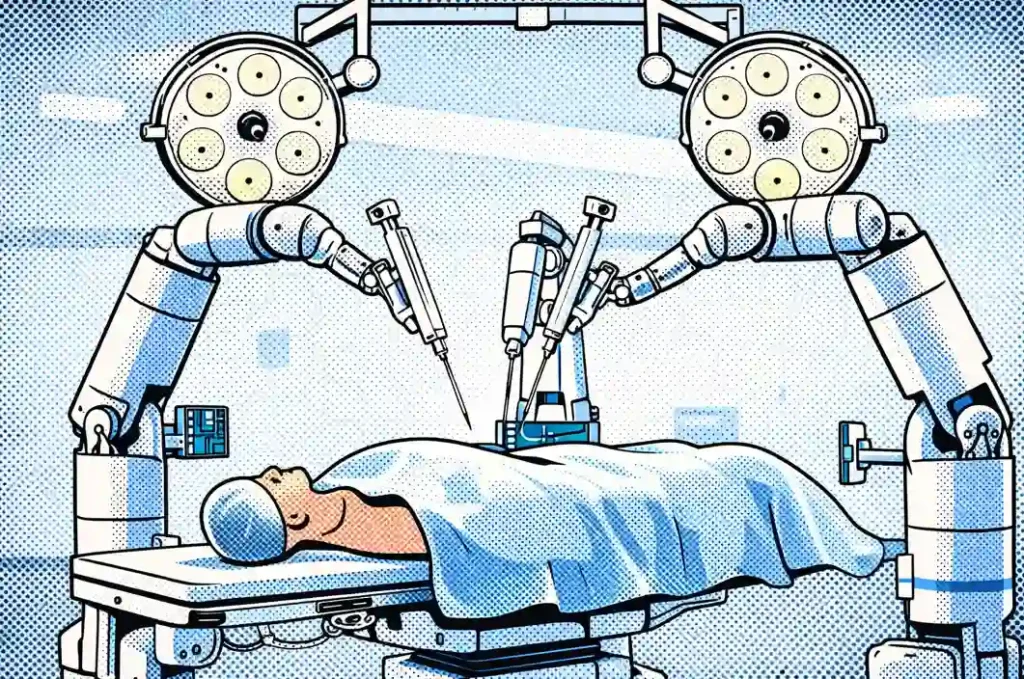
Robotic-assisted surgery is one of the most recognizable examples of advanced treatment available at major Korean hospitals.
Instead of the surgeon directly manipulating conventional surgical instruments through a large incision, a robotic surgical system translates the surgeon’s movements into precise movements of small instruments. High-definition visualization and articulated instruments can be particularly useful when operating in anatomically confined areas.
Robotic systems are used in selected procedures across specialties including:
- Urology
- Gynecology
- General surgery
- Colorectal surgery
- Thoracic surgery
- Head and neck surgery
- Some complex cancer operations
The key advantage is not that the robot independently performs surgery. The surgeon remains responsible for planning and controlling the procedure. Robotic platforms can provide enhanced visualization, instrument articulation, and ergonomic advantages, but outcomes still depend heavily on patient selection, surgical expertise, hospital protocols, and the specific operation.
The National Cancer Center in Korea, for example, lists robotic surgical systems among its advanced clinical equipment alongside proton therapy, PET-CT, robotic bronchoscopy, and other technologies.
Who may benefit?
Patients whose conditions require technically demanding minimally invasive surgery may be evaluated for robotic-assisted procedures. Whether robotic surgery is preferable to laparoscopic, endoscopic, or open surgery should be determined by the treating specialist.
2. Proton Therapy for Selected Cancers
Proton therapy is an advanced form of radiation treatment that uses protons rather than conventional photon radiation.
The physical characteristic that makes proton therapy distinctive is its ability to deposit much of its radiation dose at a controlled depth, potentially reducing radiation exposure to nearby normal tissues in appropriately selected cases.
This can be especially relevant when a tumor is located close to sensitive structures.
The National Cancer Center operates a proton therapy center and identifies proton therapy as one of its advanced radiation treatment technologies. Its equipment includes proton therapy, tomotherapy, linear accelerators, CT simulation systems, PET-CT, and other diagnostic and treatment technologies.
Proton therapy may be considered for selected cancers such as certain:
- Brain tumors
- Pediatric cancers
- Head and neck tumors
- Liver tumors
- Lung tumors
- Prostate cancers
- Eye tumors
However, proton therapy is not automatically superior to conventional radiation therapy for every cancer. The benefit depends on tumor location, treatment plan, expected radiation exposure to organs at risk, disease characteristics, and available clinical evidence.
Practical example
A patient with a tumor located close to a critical organ may undergo detailed imaging and treatment planning to compare different radiation approaches. The radiation oncology team can then determine whether proton therapy offers a clinically meaningful dosimetric advantage.
This illustrates an important principle: advanced technology is most valuable when it solves a specific clinical problem.
3. Precision Cancer Treatment and Genomic Medicine
Cancer treatment is increasingly moving away from a one-size-fits-all model.
Traditional cancer classification is based largely on the organ where a tumor originates and its pathological characteristics. Precision oncology adds another layer by examining molecular and genomic characteristics of the tumor.
Testing may identify genetic alterations that could influence:
- Targeted therapy selection
- Immunotherapy considerations
- Clinical-trial eligibility
- Prognostic assessment
- Resistance mechanisms
Seoul Asan Medical Center’s Center for Precision Cancer Medicine was established in 2012 and uses genomic analysis technologies including Onco-map and Onco-panel approaches. The center also operates a Molecular Tumor Board involving oncology, pathology, biomedical informatics, clinical-trial, and genomic specialists.
This multidisciplinary model is important because a genomic result by itself does not constitute a treatment plan.
The clinical team must interpret the result alongside:
- Pathology
- Imaging
- Cancer stage
- Previous treatment
- Organ function
- Patient preferences
- Available therapies
- Clinical-trial opportunities
Next-generation sequencing
NGS can examine multiple genes simultaneously rather than testing each alteration individually. In appropriate cancer cases, this can help identify potentially actionable molecular findings.
However, not every detected mutation has a corresponding effective treatment. Patients should therefore ask whether a proposed genomic test is likely to change management before undergoing testing.
4. AI-Supported Diagnosis and Medical Imaging
Artificial intelligence is increasingly being integrated into medical imaging and clinical decision-support systems.
Depending on the approved device and intended use, AI can assist clinicians with tasks such as:
- Detecting suspicious findings
- Prioritizing imaging studies
- Quantifying lesions
- Comparing images
- Supporting image interpretation
- Identifying patterns in large datasets
Korea’s MFDS regulates AI-based medical devices that analyze medical data for purposes such as diagnosis, disease management, or prediction. The regulatory framework includes clinical decision-support and computer-aided detection or diagnosis technologies.
The important distinction is AI-assisted medicine versus AI replacing the physician.
In clinical practice, AI output should be interpreted within the broader medical context. A radiologist, pathologist, physician, or other qualified clinician remains responsible for evaluating the patient’s complete clinical picture.
In an international medical setting, AI may be particularly useful as part of a broader digital workflow that integrates imaging, laboratory data, pathology, and previous medical records.
5. Robotic Bronchoscopy for Difficult Lung Nodules
Some small or peripheral lung nodules can be difficult to reach using conventional bronchoscopy.
Robotic-assisted bronchoscopy is designed to help clinicians navigate the bronchial tree toward lesions that may be challenging to access.
The National Cancer Center lists the ION robotic-assisted bronchoscopy system among its clinical equipment and describes its use for diagnosing peripheral lung nodules that may otherwise be difficult to access.
For an appropriate patient, the diagnostic pathway may involve:
CT detection → multidisciplinary assessment → bronchoscopy planning → robotic navigation → tissue sampling → pathology and molecular testing → treatment planning
This illustrates how innovative treatment increasingly involves an entire diagnostic pathway rather than a single machine or procedure.
6. Advanced Radiation Therapy and Image Guidance
Modern radiation oncology involves far more than simply directing radiation toward a tumor.
Advanced systems can integrate imaging, treatment planning, intensity modulation, and image guidance to improve targeting.
Examples available at major Korean cancer centers include:
- IMRT
- Tomotherapy
- Image-guided radiation therapy
- Surface-guided radiation therapy
- Proton therapy
- High-dose-rate brachytherapy
The National Cancer Center lists tomotherapy as a system combining high-energy X-ray radiation treatment with CT imaging to improve treatment accuracy. It also lists surface-guided radiation technology among its advanced systems.
The goal is generally to deliver the prescribed dose accurately while limiting unnecessary exposure to surrounding healthy tissue.
7. Advanced Interventional Procedures
Interventional medicine provides another important category of minimally invasive treatment.
Rather than using a large surgical incision, specialists may use imaging guidance to access blood vessels, organs, or other anatomical structures through very small entry points.
Depending on the disease, interventional procedures can include:
- Image-guided biopsies
- Vascular interventions
- Tumor embolization
- Ablation procedures
- Drainage procedures
- Catheter-based treatments
These techniques may be used in oncology, cardiology, vascular medicine, gastroenterology, and other specialties.
The advantage can include smaller access points, reduced tissue disruption, and potentially shorter recovery compared with selected conventional operations. The actual benefits and risks depend strongly on the procedure and patient.
8. Multidisciplinary Cancer Treatment
One of the most important innovations in modern Korean hospitals is not a particular machine—it is multidisciplinary care.
Complex cases may involve specialists from:
- Surgery
- Medical oncology
- Radiation oncology
- Radiology
- Pathology
- Nuclear medicine
- Genetics
- Rehabilitation
- Anesthesiology
- Specialized nursing
For rare cancers, this approach can be particularly valuable.
Seoul Asan Medical Center describes multidisciplinary management for sarcoma and rare cancers, with specialists reviewing diagnostic results and determining whether surgery, chemotherapy, radiation therapy, or another strategy should be used first.
This matters because treatment sequencing can affect outcomes. For example, some patients may benefit from systemic therapy before surgery, while others may require immediate surgery or radiation.
9. Personalized Treatment Planning for International Patients
For an overseas patient, accessing innovative treatment requires more preparation than simply booking a hospital appointment.
A practical process usually looks like this:
Step 1: Collect medical records
Prepare relevant:
- Diagnosis
- Pathology reports
- Imaging reports
- CT/MRI/PET images
- Laboratory results
- Previous treatment history
- Medication list
- Surgical history
Step 2: Obtain preliminary medical review
The hospital’s international patient center or specialist team may review the available information and determine whether an in-person consultation is appropriate.
Step 3: Confirm the diagnosis
Additional testing may be recommended if previous records are incomplete or if treatment decisions depend on updated imaging, pathology, or molecular testing.
Step 4: Discuss treatment alternatives
Ask specifically:
- Why is this treatment recommended?
- What are the alternatives?
- Is the technology standard care or investigational?
- What evidence supports it?
- What are the major risks?
- How many treatment sessions are expected?
- What follow-up will be required?
Step 5: Plan post-treatment care
International patients should discuss follow-up before traveling.
The Korea Health Industry Development Institute advises foreign patients to consult their existing physician before obtaining overseas medical services and to consider post-treatment care after returning home. It also notes that long flights and related travel activities may affect treatment outcomes in some circumstances.
How Much Do Innovative Treatments in Korea Cost?

There is no single price for “advanced treatment in Korea.”
Costs can vary substantially depending on:
- Diagnosis
- Hospital
- Physician
- Procedure
- Number of treatment sessions
- Diagnostic testing
- Anesthesia
- Hospitalization
- Medications
- Medical devices
- Follow-up care
- Whether treatment is covered by insurance
International patients should request a written estimate that separates consultation, diagnostic testing, treatment, hospitalization, medications, and follow-up expenses.
For complex cancer care, a preliminary quote should not be interpreted as a guaranteed final cost because additional tests or treatment changes may become necessary after specialist evaluation.
How to Choose a Korean Hospital for Innovative Treatment
The best hospital is not necessarily the hospital with the most advanced equipment.
A better evaluation framework is:
| Factor | What to Check |
|---|---|
| Clinical expertise | Experience with your specific diagnosis |
| Technology | Whether the required technology is actually available |
| Evidence | Published clinical evidence and guideline support |
| Multidisciplinary care | Access to relevant specialists |
| Accreditation | Appropriate institutional and international-patient standards |
| International services | Interpretation, records, scheduling and coordination |
| Follow-up | Clear plan after returning home |
| Transparency | Written treatment and cost information |
Korea has a formal evaluation and accreditation system for medical institutions serving international patients. In 2026, the Ministry of Health and Welfare and KHIDI continued the evaluation and accreditation program for institutions that provide services to foreign patients.
This provides an additional factor international patients can consider when evaluating providers.
Are Innovative Treatments in Korean Hospitals Safe?
Safety should be assessed on a procedure-by-procedure and hospital-by-hospital basis, rather than assumed from the country’s reputation or the sophistication of the technology.
Before treatment, patients should verify:
- The doctor’s specialty and experience
- The hospital’s relevant department
- Whether the procedure is approved and clinically established
- Expected benefits and limitations
- Major complications
- Alternative treatments
- Emergency arrangements
- Follow-up requirements
- Communication arrangements for international patients
A highly advanced device cannot compensate for inappropriate patient selection or inadequate clinical planning.
The safest approach is therefore evidence-based treatment selection supported by qualified specialists and appropriate hospital infrastructure.
FAQ Section
What innovative treatments are available in Korean hospitals?
Innovative treatments in Korean hospitals include robotic-assisted surgery, proton therapy, precision cancer treatment, genomic testing, AI-supported medical imaging, robotic bronchoscopy, advanced radiation therapy, and minimally invasive image-guided procedures. Treatment availability varies by hospital, specialty, diagnosis, and patient eligibility.
What are the most advanced medical treatments in Korea?
Advanced medical treatments in Korea include robotic surgery, proton therapy, precision oncology, genomic medicine, AI-assisted diagnostics, advanced radiation therapy, and image-guided interventions. Major hospitals combine these technologies with multidisciplinary specialist teams to develop individualized treatment strategies.
Is robotic surgery available for international patients in Korea?
Yes. Robotic surgery in Korea is available for selected international patients depending on their diagnosis and surgical requirements. Robotic-assisted procedures are used in specialties such as urology, gynecology, colorectal surgery, thoracic surgery, and selected cancer operations. A specialist consultation is required to determine suitability.
Who can receive proton therapy in Korea?
Proton therapy in Korea may be considered for patients with selected cancers, particularly when treatment planning indicates that proton therapy could reduce radiation exposure to nearby sensitive organs. Eligibility depends on tumor location, cancer type, stage, previous treatment, and an individualized radiation treatment plan.
How can international patients access innovative treatments in Korean hospitals?
International patients seeking innovative treatments in Korean hospitals should first prepare medical records, imaging, pathology reports, laboratory results, and previous treatment information. The hospital can then conduct a preliminary review and recommend appropriate specialists, diagnostic tests, and treatment options based on the patient’s individual condition.
Key Takeaways
Innovative treatments available in Korean hospitals in 2026 extend well beyond high-tech surgical robots. Korea’s advanced healthcare environment combines minimally invasive surgery, proton and image-guided radiation therapy, precision cancer medicine, genomic testing, AI-supported diagnostics, robotic bronchoscopy, interventional procedures, and multidisciplinary specialist care.
For international patients, the strongest advantage is often the integration of these technologies into a coordinated clinical pathway. A patient may move from advanced imaging to pathology, genomic analysis, multidisciplinary review, minimally invasive treatment, radiation planning, and structured follow-up within the same healthcare ecosystem.
The most important question is therefore not “What is the newest treatment in Korea?” but “Which evidence-based treatment is appropriate for my condition, and which Korean hospital has the expertise and infrastructure to deliver it safely?”
That distinction helps patients make informed decisions while avoiding the common mistake of equating newer technology with automatically better medicine.
References
- National Cancer Center Korea (NCC) — Proton therapy, robotic surgery, robotic bronchoscopy, advanced radiation therapy and other specialized cancer technologies. National Cancer Center Korea
- Asan Medical Center — Center for Precision Cancer Medicine — Precision oncology, genomic testing and multidisciplinary molecular tumor evaluation. Asan Medical Center
- Korea Health Industry Development Institute (KHIDI) — Information and guidance concerning international patients, foreign patient medical services, and international healthcare institutions in Korea. KHIDI

Korea Med Tour – Trusted Blog for Medical Tourism in Korea
Korea Med Tour is a trusted medical tourism content platform providing accurate, research-based healthcare information for international patients considering treatment in Korea.
Our editorial team specializes in global patient guidance, treatment insights, clinic selection, and medical travel planning. All content is developed using verified medical sources and structured editorial review processes to ensure clarity, safety, and reliability.
We are committed to helping international patients make informed and confident medical travel decisions when choosing Korea as their healthcare destination.