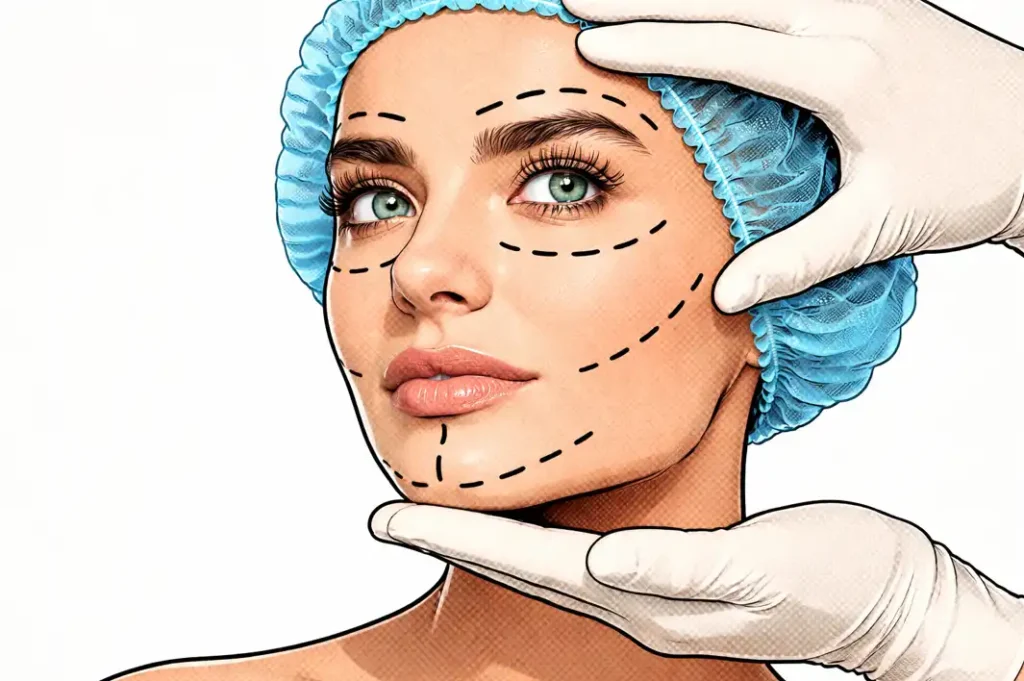
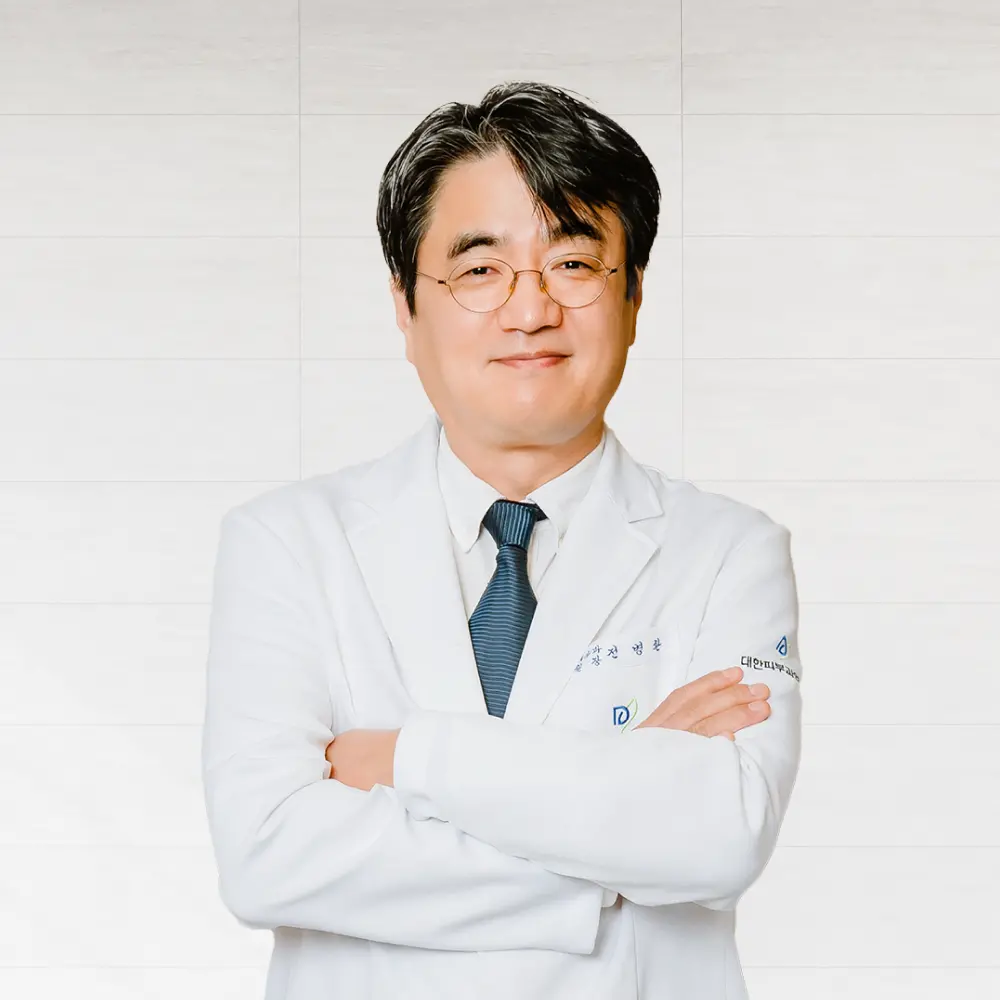

Dr. Byung Hwan Chun is the Chief Director of D&A Dermatology in Korea. His personalized approach to dermatology includes skin lifting, laser treatments, pigmentation care, acne management, hair loss assessment, and anti-aging treatments based on each patient’s skin condition and treatment goals.
KoreaMedTour.com
This exclusive KoreaMedTour interview features Dr. Byung Hwan Chun, Chief Director of D&A Dermatology in Korea, discussing personalized dermatology, facial lifting, laser treatments, pigmentation management, acne and acne scars, hair loss, and anti-aging care for international patients.
For international patients considering dermatology treatment in Korea, choosing a dermatologist involves more than comparing treatment prices or cosmetic devices. Understanding a physician’s clinical philosophy, experience, approach to skin diagnosis, and commitment to patient safety is equally important.
In this exclusive KoreaMedTour interview, Dr. Byung Hwan Chun, Chief Director of D&A Dermatology, discusses his approach to personalized skin treatment, facial lifting, laser procedures, pigmentation management, acne and acne scars, hair loss, and anti-aging care for international patients.
Dr. Chun describes a treatment philosophy centered on accurately assessing each patient’s skin condition, identifying the underlying causes of skin concerns, selecting appropriate treatments, and minimizing unnecessary irritation. His approach emphasizes individualized treatment planning, realistic expectations, and long-term skin health while helping patients make informed decisions about dermatology treatment in Korea.
His guiding principle is:
“Accurate Diagnosis. Personalized Treatment. Safe, Long-Term Skin Health.”
Table of Contents
Meet Dr. Byung Hwan Chun
Dr. Byung Hwan Chun is the Chief Director of D&A Dermatology in Korea and a dermatologist with more than 20 years of clinical experience.
Throughout his career, Dr. Chun has focused on understanding the underlying causes of skin concerns and developing individualized treatment plans. His clinical interests include facial lifting, skin rejuvenation, pigmentation treatment, laser dermatology, acne and acne scars, hair loss, and anti-aging care.
His treatment philosophy emphasizes accurate diagnosis before selecting a procedure. By evaluating factors such as skin thickness, subcutaneous fat distribution, skin laxity, inflammation, and previous treatment history, he aims to identify approaches suited to each patient’s skin condition and treatment goals.
Dr. Chun also emphasizes the importance of understanding the skin conditions that may initially appear to be cosmetic concerns. His dermatology training included the assessment and treatment of conditions such as atopic dermatitis, psoriasis, vitiligo, and skin cancer, reinforcing his view that appropriate diagnosis is essential to effective treatment.
In addition to personalized aesthetic care, Dr. Chun is interested in advances in skin regeneration, collagen-related treatments, and AI-supported personalized dermatology. He believes that new technologies should be applied according to individual patient needs rather than selected simply because they are popular.
His guiding principles are honesty, trust, patient safety, and long-term skin health.
Q1. Could you introduce yourself to international patients?
Dr. Byung-Hwan Chun:
Hello, I’m Dr. Byung-Hwan Chun, a dermatologist at D&A Dermatology in Korea.
I have been practicing dermatology for more than 20 years, focusing on accurately assessing each patient’s skin condition and providing treatments tailored to their individual needs.
Dermatology is a unique field because both patients and doctors can often see the results of treatment directly. I am particularly interested in treatments that go beyond reducing wrinkles or lifting the face to improve the skin itself.
My interests include skin regeneration, collagen structure, and the skin’s cellular environment. I find it especially rewarding to explore advances in these areas and apply relevant findings to clinical practice.
My approach to patient care is based on three key steps: skin assessment, physician consultation, and personalized treatment planning. I believe accurate diagnosis and honest discussions about available treatment options are essential to helping patients make informed decisions.
Q2. What is your treatment philosophy when caring for dermatology patients?
Dr. Byung-Hwan Chun:
When I first opened my clinic, my goal was to establish a dermatology practice that genuinely prioritizes skin health.
Some patients visit us seeking cosmetic improvements, while others are concerned about a compromised skin barrier, chronic inflammation, pigmentation, or long-standing scars.
To address these concerns effectively, a dermatologist must first understand the skin and accurately assess its condition. A treatment should not be chosen simply because it is popular or because a patient has a particular cosmetic goal.
That is why I emphasize careful skin assessment, physician consultation, and individualized treatment planning.
Over more than 20 years as a dermatologist, honesty and trust have remained the core values guiding my practice. Treatment techniques and medical equipment have continued to evolve, but these principles have never changed.
My goal is to provide effective treatments while placing patient safety, honest communication, and long-term skin health first.
Q3. What is the difference between general cosmetic treatments and care provided by a board-certified dermatologist?
Dr. Byung-Hwan Chun:
In Korea, physicians who graduate from medical school and obtain a medical license are legally permitted to practice medicine. Becoming a board-certified specialist requires additional postgraduate training and successful completion of the relevant specialist examination.
During my dermatology residency, I treated medical skin conditions such as atopic dermatitis, psoriasis, vitiligo, and skin cancer, in addition to learning cosmetic procedures.
This experience is important because a concern that appears to be purely cosmetic may sometimes require a different diagnosis. For example, a pigmented spot may need further investigation, while symptoms that resemble acne may actually be caused by another skin condition.
Dermatology specialist training includes the study of skin diseases, skin structure, dermatopathology, and medical treatments. This knowledge can be particularly valuable when a condition is complex, difficult to diagnose, or requires long-term management.
This does not mean that physicians without dermatology specialist certification cannot provide medical care. However, patients should understand the qualifications of the clinician treating them and make an informed choice.
When selecting a clinic, patients often compare equipment and treatment prices first. Yet even when the same device is used, the clinical judgment behind the diagnosis and treatment plan can make a difference. For this reason, I believe the qualifications and experience of the treating physician deserve careful consideration.
Q4. How do you personalize skin treatments for patients with similar concerns?
Dr. Byung-Hwan Chun:
I consider four main factors when developing a treatment plan.
First, skin thickness. Thinner skin may require a more conservative approach to energy-based treatments. The appropriate treatment intensity should be determined according to the patient’s skin condition.
Second, the amount and distribution of subcutaneous fat. Sagging caused by excess fat requires a different approach from facial hollowing caused by volume loss.
Third, the degree and depth of skin laxity. Superficial skin laxity and deeper structural changes may require different treatment approaches. Identifying the underlying cause helps determine which treatment may be appropriate.
Fourth, lifestyle and recovery time. For example, someone who cannot afford visible bruising because of work may need a different treatment plan from someone who has more time to recover.
By considering these factors, I can develop a plan that reflects each patient’s circumstances rather than applying the same procedure to everyone.
Q5. What should patients consider when choosing a facial lifting treatment?
Dr. Byung-Hwan Chun:
The key to facial lifting is identifying the individual causes of facial aging and determining which concerns a particular treatment can realistically address.
Rather than assuming that everyone with sagging skin needs the same procedure, I assess skin thickness, fat distribution, and the degree of laxity.
At D&A Dermatology, we conduct individualized assessments to identify treatment options suited to each patient’s skin condition.
Different lifting technologies serve different purposes. The most appropriate choice depends on the patient’s skin characteristics, facial structure, treatment goals, and tolerance for recovery time.
In some cases, a staged combination of treatments may be worth considering rather than relying on a single procedure. The goal is to create a treatment plan that addresses the patient’s actual needs.
Q6. What does a natural-looking lifting result mean to you?
Dr. Byung-Hwan Chun:
Patients sometimes assume that significant facial sagging automatically means they need surgery to remove excess skin and tighten the face. However, surgery is not necessarily the first option for every patient.
Depending on the individual’s condition, nonsurgical treatments may help address specific concerns, such as reduced skin elasticity or excess fat, by targeting collagen and tissue structures.
Surgery can remove excess skin, but it involves recovery time and potential risks. Nonsurgical treatments may be suitable for some patients who wish to improve skin laxity without surgery, although the expected results vary from person to person.
I believe treatment should focus on achieving an appropriate result without unnecessary intervention.
Lifting treatments are not a permanent solution to aging. The skin continues to change during and after treatment. For some patients, a gradual, individualized approach with appropriate maintenance may be more suitable than an unnecessarily aggressive procedure.
Q7. What is Innerjet, and how does it combine different lifting technologies?
Dr. Byung-Hwan Chun:
Innerjet combines InMode and Airjet technologies. Our clinic developed this combined treatment approach and pursued trademark protection for the name.
InMode uses suction to draw tissue into the handpiece while delivering radiofrequency energy. Depending on the patient’s condition, it may be considered for specific areas, such as the lower cheeks or double chin.
Airjet uses compressed air rather than conventional needles to deliver medication into the skin.
By combining these technologies, the treatment aims to address different aspects of facial laxity. However, whether Innerjet or another lifting procedure is appropriate should be determined through an individual medical assessment.
The important point is that combining technologies must serve a clear treatment objective. A procedure is not automatically suitable for every patient simply because it incorporates multiple technologies.
Q8. What should be assessed before treating melasma, freckles, and other pigmentation concerns?
Dr. Byung-Hwan Chun:
An accurate diagnosis is essential because melasma, freckles, age spots, and post-inflammatory hyperpigmentation may require different treatment approaches.
It is also important to determine whether the pigmentation is primarily located in the epidermis or extends into the dermis. The depth of the pigment can affect treatment response and the likelihood of recurrence.
Before developing a treatment plan, I review the patient’s previous treatment history, factors that may worsen pigmentation, past adverse reactions, skin type, and individual risk factors. I also consider the possibility of post-inflammatory hyperpigmentation, medications the patient is taking, and skincare products they use.
These details help determine which treatment may be appropriate and how conservatively or intensively the skin should be treated.
The goal is not simply to remove visible pigmentation as quickly as possible. It is to address the underlying concern while minimizing unnecessary irritation and the risk of further pigmentation.
Q9. How do you choose the most appropriate laser treatment?
Dr. Byung-Hwan Chun:
I look beyond the skin’s surface and consider skin thickness, inflammation, collagen structure, sebum activity, and the patient’s previous treatment history.
Inflammation is particularly important. Applying an overly aggressive treatment to inflamed skin may increase the risk of pigmentation changes and other adverse effects.
The most important question is not which laser device is the best. It is understanding the cause and depth of the pigmentation and how much stimulation the patient’s skin can tolerate.
D&A Dermatology uses a range of laser and light-based devices, including PicoWay, Revlite, IPL, Genesis, V-Beam, and Nd.
Rather than selecting one device for every patient, I believe the skin should be assessed first. The appropriate wavelength, energy level, treatment area, technique, number of sessions, and intervals between treatments should then be determined according to the individual diagnosis.
Q10. How should recurrent acne and acne scars be treated?
Dr. Byung-Hwan Chun:
For adults with recurrent acne, treating the visible breakouts alone may not be enough.
It is important to consider factors that contribute to recurrence, including insufficient sleep, stress, and habits such as frequently touching or picking at the skin.
If excessive sebaceous gland activity is a major contributing factor, treatments targeting that activity may be considered.
Once the acne is reasonably well controlled, treatment can focus on persistent redness and depressed acne scars.
When active acne is still ongoing, it is generally preferable to prioritize preventing new breakouts rather than rushing into intensive scar treatment. This can help reduce the likelihood of additional scars developing during the treatment process.
A treatment plan should therefore address both the patient’s current skin condition and the factors contributing to recurring acne.
Q11. What should patients know before starting hair loss treatment?
Dr. Byung-Hwan Chun:
The first step is to determine whether hair loss is actually progressing and identify its type.
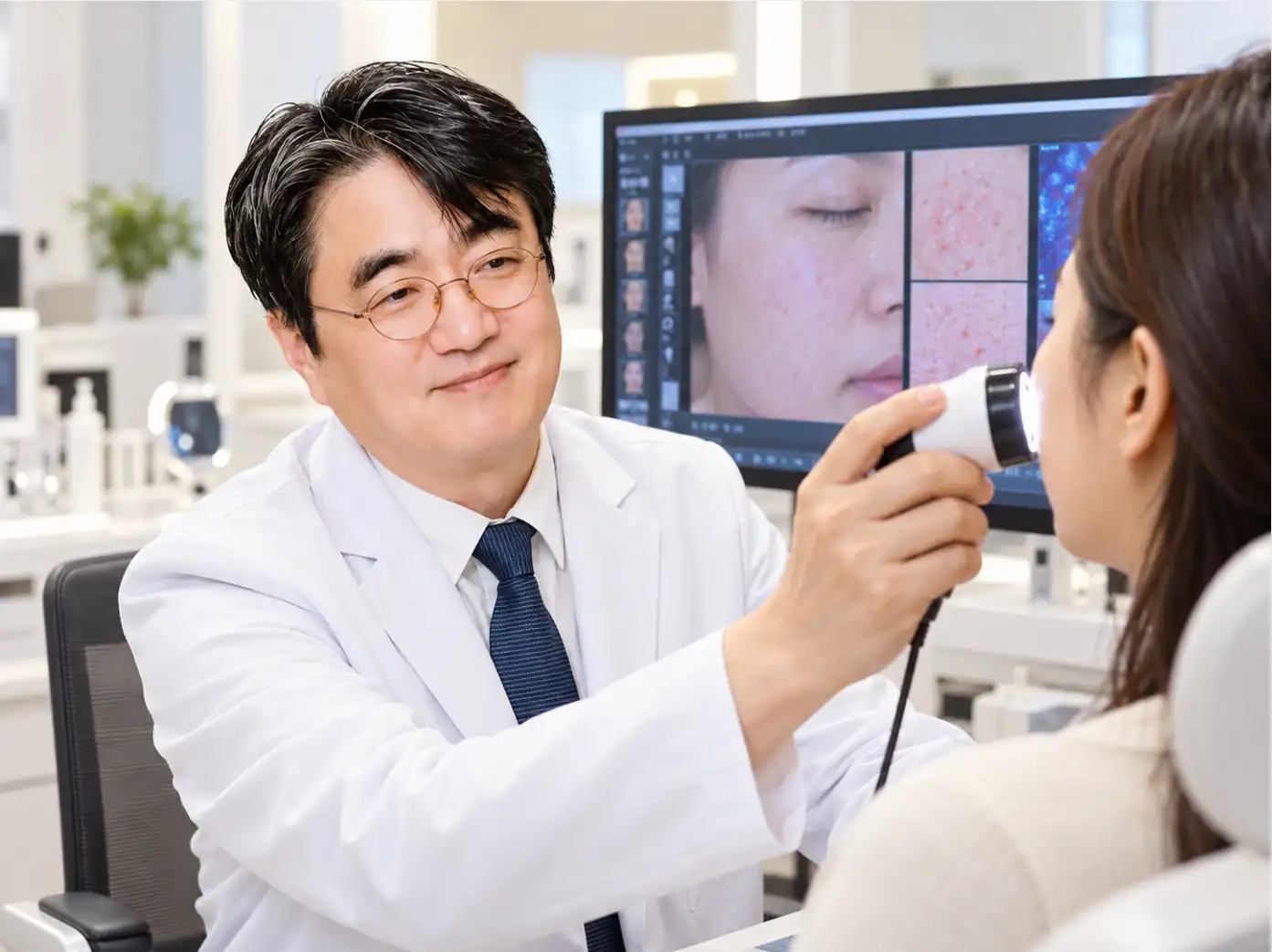
A scalp examination using magnification can help assess hair thickness, density, and changes in the hair follicles.
Some types of hair loss, such as temporary telogen effluvium, may resolve naturally, while others may require treatment. The appropriate approach depends on the underlying cause.
If your hair is becoming progressively thinner or you notice changes in density around your part, crown, or hairline, I recommend seeking a professional assessment early rather than trying to guess the cause.
An accurate diagnosis helps determine whether treatment is necessary and which options may be appropriate for your condition.
Q12. How do you approach anti-aging treatments?
Dr. Byung-HwanChun:
Aging affects several aspects of the skin and face at the same time, including texture, fine lines, pigmentation, elasticity, and facial contours. No single treatment can address all these concerns.
Depending on the patient’s needs, I may consider combining treatments in stages, allowing sufficient time for the skin to recover between procedures.
The priorities also differ depending on whether the main concern is a change in facial contours or aging of the skin itself.
Before recommending treatment, I assess the patient’s current facial features and the degree of change they hope to achieve. I then plan the necessary treatments in an appropriate sequence and at suitable intensities.
For me, anti-aging treatment is not about maximizing the effect of every procedure. It is about choosing treatments that suit the patient’s skin and allowing adequate recovery between sessions.
Q13. What should patients ask their doctor before undergoing a dermatological procedure?
Dr. Byung-Hwan Chun:
Patients should understand not only the expected benefits but also the possible side effects and whether the procedure is appropriate for their current skin condition.
It is also helpful to discuss daily skincare practices and lifestyle changes that may support skin health.
A thorough consultation should give patients the opportunity to ask questions about the procedure itself, potential risks, recovery time, and aftercare. They should feel comfortable discussing their concerns and making an informed decision before proceeding.
Q14. What should international patients prepare before receiving dermatological treatment in Korea?
Dr. Byung-Hwan Chun:
Before treatment, patients should inform their doctor about their current medications, previous procedures and their dates, any tendency to develop scars or pigmentation, and whether they are pregnant or breastfeeding, where applicable. They should also disclose any autoimmune conditions.
Patients should not choose a procedure simply because it is popular or because their time in Korea is limited. The first priority is determining whether their current condition makes the treatment appropriate.
I recommend that international patients prepare the following information before their consultation:
- Current medications and relevant medical conditions
- Previous cosmetic procedures, including dates and treatment areas
- A history of keloids, scarring, or pigmentation following skin irritation
- Skin sensitivity and previous reactions to lasers or other energy-based treatments
- Travel dates and the amount of time available for recovery
Patients should also discuss expected recovery time, sun protection, aftercare, and whether follow-up care will be needed after returning home.
The more thoroughly a patient’s condition is assessed before a procedure is selected, the easier it is to develop a treatment plan that accommodates both their individual needs and travel schedule.
Q15. What skincare questions do international patients ask most often?
Dr. Byung-Hwan Chun:
Patients often ask which skincare products and routines would be most suitable for their skin.
Although product choices should be tailored to each individual’s skin condition, I generally emphasize gentle cleansing that does not irritate the skin barrier and consistent moisturizing.
A simple skincare routine that suits the skin can play an important role in maintaining skin health alongside medical treatment.
Patients should discuss the products they currently use and any previous skin irritation with their dermatologist, especially when planning laser treatments or other procedures.
Q16. Why are international patients interested in dermatological treatments in Korea?
Dr. Byung-Hwan Chun:
Korea offers a wide range of dermatological treatment options, from laser and energy-based devices to injectable procedures and skincare. These options can be considered in different combinations according to each patient’s concerns.
Medical technology and equipment have also continued to advance rapidly.
However, international patients sometimes want to undergo several procedures during a short visit. In these situations, it is especially important to consider how much treatment the skin can tolerate and how much recovery time is needed.
Skin tone, sensitivity, sun exposure, previous treatment responses, and medications can differ from patient to patient. Sharing this information with the medical team is essential when developing a treatment plan.
Access to medical records in a language the patient understands, along with appropriate language support, is also an important consideration.
For patients visiting Korea for the first time, I recommend choosing a clinic that considers the entire process, from diagnosis and treatment to recovery and follow-up care.
Q17. How do you balance treatment effectiveness with patient safety?
Dr. Byung-Hwan Chun:
Good aesthetic dermatology is not about choosing between effectiveness and safety. It is about achieving meaningful results within the limits of what can be treated safely.
Every patient has different skin characteristics and goals, so the same device should not be used in exactly the same way for everyone.
Energy levels, treatment areas, the number of sessions, and intervals between treatments should be adjusted according to the diagnosis. I believe this is an important responsibility of the treating physician.
Overly aggressive procedures may damage the skin barrier or increase the risk of pigmentation changes. Treatment intensity should therefore be appropriate for what the patient’s skin can tolerate.
My priority is to help patients maintain healthy skin over the long term rather than pursue the fastest possible change.
Q18. What principles do you promise to uphold for patients visiting D&A Dermatology?
Dr. Byung-Hwan Chun:
Honesty and trust have guided my practice throughout more than 20 years as a dermatologist.
Treatment techniques and the medical environment continue to evolve, but these values remain unchanged.
I will continue striving to provide effective treatment grounded in honesty, trust, and patient safety.
In November 2026, we plan to relocate to a more comfortable and convenient location near Gangnam-gu Office Station on Seoul Subway Line 7. Patients planning to visit should confirm our current address and relocation status before their appointment.
Q19. What developments do you expect to become increasingly important in dermatology?
Dr. Byung-Hwan Chun:
Many new devices and treatment methods are entering the aesthetic medicine market.
Just as every person has a different skin type, treatment outcomes and expectations also vary. I believe AI-assisted assessment and increasingly personalized treatment approaches will become more important in the future.
Personalized care is also a direction that D&A Dermatology aims to pursue.
The key is that new technology should support, rather than replace, clinical judgment. It should help us understand each patient’s skin more accurately and make better-informed treatment decisions.
Q20. What final message would you like to share with patients considering dermatological treatment?
Dr. Byung-Hwan Chun:
Everyone has a different skin type, degree of aging, depth of pigmentation, and pattern of loss of elasticity.
Even when two people share the same concern, such as melasma or wrinkles, the most appropriate treatment may differ depending on the underlying cause and the condition of their skin. Rather than choosing a procedure simply because it is popular or associated with a particular device, it is important to consult a dermatologist and understand what your skin actually needs.
Long-term, safe skin management is more important than undergoing the most intensive treatment possible in a single session. Excessive treatment can damage the skin barrier or contribute to pigmentation problems.
I would share the same advice with international patients visiting Korea. The goal should not simply be to receive a popular treatment in Korea, but to obtain an accurate diagnosis and an individualized treatment plan from a qualified medical professional.
Your skin condition, travel schedule, recovery time, and aftercare needs should all be considered to support safer treatment.
I believe that an honest consultation and a clear understanding of what your skin truly needs are the best places to start.
Accurate Diagnosis. Personalized Treatment. Safe, Long-Term Skin Health.
FAQ Section
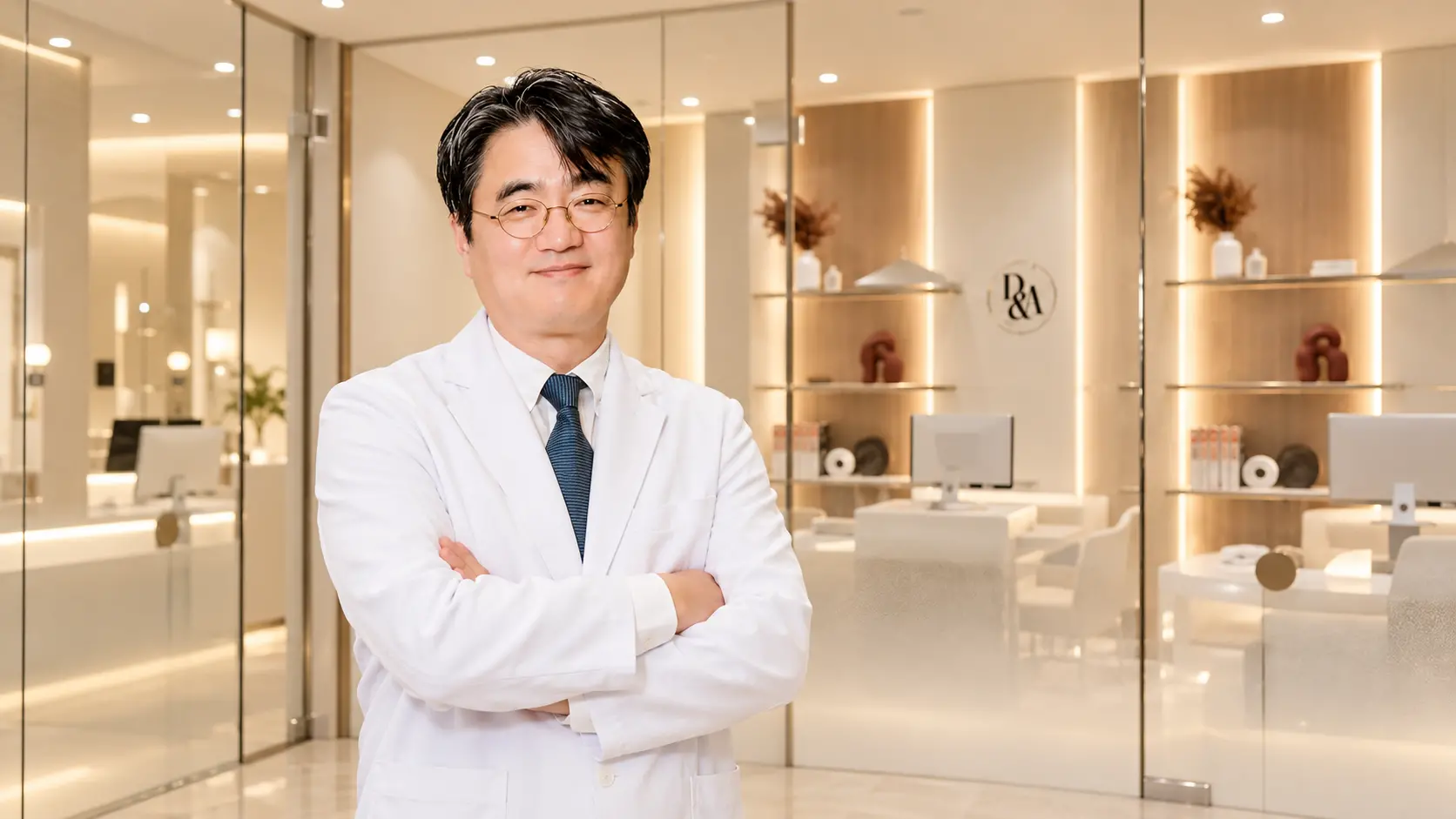
Who is Dr. Byung Hwan Chun?
Dr. Byung Hwan Chun is the Chief Director of D&A Dermatology in Korea. He focuses on personalized dermatological care, including skin lifting, laser treatments, pigmentation management, acne and acne scar treatment, hair loss assessment, and anti-aging procedures.
What skin lifting treatments are available at D&A Dermatology in Korea?
D&A Dermatology offers individualized skin lifting approaches based on factors such as skin thickness, facial fat distribution, skin laxity, and the patient’s goals. Dr. Chun evaluates each patient’s condition to determine suitable treatment options and whether a combination of procedures may be appropriate.
How does Dr. Chun choose the right laser treatment for pigmentation and other skin concerns?
Dr. Chun considers the type and depth of pigmentation, skin sensitivity, inflammation, previous treatments, and individual risk factors. Depending on the patient’s condition, treatment options may include PicoWay, Revlite, IPL, Genesis, V-Beam, and Nd:YAG laser technologies.
Can international patients receive dermatology treatments at D&A Dermatology in Korea?
International patients can explore dermatology treatment options by discussing their skin concerns, medical history, medications, previous procedures, and travel schedule with the clinic. Sharing this information helps the medical team consider treatment suitability, recovery time, and follow-up care.
How can patients achieve natural-looking anti-aging results without over-treatment?
Dr. Chun emphasizes accurate diagnosis, personalized treatment planning, and long-term skin health. Rather than choosing a procedure simply because it is popular, patients should consider their skin condition, treatment goals, expected recovery, and the appropriate intensity and timing of each treatment.

Dermatology Treatment in Korea for International Patients
Dr. Byung Hwan Chun’s interview highlights an approach that places each patient’s skin condition, treatment goals, and long-term skin health at the center of dermatological decision-making.
For international patients, the process described in the interview includes several important stages:
Before Traveling to Korea
- Review previous dermatological diagnoses and treatment history
- Prepare information about medications, previous cosmetic procedures, and skin reactions
- Identify primary concerns, such as skin laxity, pigmentation, acne, acne scars, or hair loss
- Consider travel schedules, potential recovery time, and follow-up needs
During the Visit to Korea
- Skin assessment and consultation with the dermatologist
- Evaluation of skin type, thickness, pigmentation, and other relevant factors
- Selection of suitable laser, lifting, or other dermatological treatments
- Discussion of expected benefits, potential risks, and treatment limitations
- Personalized treatment planning based on individual needs
After Treatment
- Follow post-treatment skincare instructions
- Support the skin barrier with gentle cleansing and appropriate moisturization
- Follow guidance on recovery and possible skin reactions
- Discuss follow-up appointments and additional treatment needs
- Plan continued skin care after returning home
This approach reflects Dr.Chun’s view that dermatological treatment should be based on an individual assessment rather than simply choosing a popular procedure or device.
Why Personalized Skin Treatment Matters in Modern Dermatology
One of the recurring themes in Dr.Chun’s interview is the importance of accurate diagnosis before selecting a treatment.
Skin concerns that appear similar may have different underlying causes. Pigmentation, for example, can vary in type and depth, while facial sagging may be influenced by skin thickness, subcutaneous fat distribution, and the degree of tissue laxity.
His approach emphasizes considering:
- Individual skin type and sensitivity
- The underlying causes of each skin concern
- The depth and characteristics of pigmentation
- Skin thickness and facial fat distribution when planning lifting treatments
- Previous procedures and possible treatment-related risks
- Appropriate treatment intensity, intervals, and recovery time
Dr. Chun also emphasizes that newer technology is not automatically the best option for every patient. The suitability of a treatment depends on the individual’s condition, treatment goals, and risk factors.
The objective is to select an appropriate treatment plan while prioritizing safety, realistic expectations, and long-term skin health.
From Skin Improvement to Long-Term Skin Health
Perhaps the most distinctive theme of Dr. Chun’s approach is the importance of looking beyond immediate cosmetic changes.
A successful dermatological treatment plan should reflect what matters to each patient. For some, this may mean improving skin laxity or facial contours. For others, it may involve managing pigmentation, reducing acne breakouts, addressing acne scars, or investigating hair loss.
In this sense, dermatology is not simply about choosing a laser or cosmetic procedure.
It is about understanding the patient’s skin, identifying appropriate treatment options, and supporting healthier skin over time.
Meet the Doctor Behind the Treatment Philosophy
Dr. Byung Hwan Chun
Chief Director
D&A Dermatology, Korea
Primary areas discussed in this interview:
- Skin lifting and facial rejuvenation
- Anti-aging dermatology
- Laser treatments
- Pigmentation management
- Melasma and freckles
- Acne and acne scar treatment
- Hair loss assessment
- Personalized skincare
- Skin barrier care
- Individualized treatment planning
His approach emphasizes accurate skin assessment, appropriate treatment selection, patient education, and balancing potential results with treatment safety.
A Message for International Patients
For patients considering dermatology treatment in Korea, the most important question may not simply be, “Which treatment is the most popular?”
It may be:
“What is causing my skin concern?”
“Which treatment is appropriate for my skin type?”
“What benefits and risks should I understand?”
“How much recovery time should I allow?”
“How can I maintain my skin after returning home?”
Dr. Chun’s interview presents a treatment philosophy built around these questions.
Rather than focusing solely on a procedure or device, his approach connects skin assessment, individualized treatment planning, safety considerations, and long-term skin care.
For international patients, this means considering the entire treatment journey—from preparing medical and skincare history before traveling to Korea to planning recovery and aftercare after returning home.
Accurate Diagnosis. Personalized Treatment. Safe, Long-Term Skin Health.
That is the central message Dr. Byung Hwan Chun shares with international patients through KoreaMedTour.
This interview is based on responses provided by Dr. Byung Hwan Chun, Chief Director of D&A Dermatology. Individual treatment suitability, expected results, and potential risks should be discussed with a qualified medical professional during a personal consultation.
References
- Dr. Byung Hwan Chun, Chief Director and Dermatologist, D&A Dermatology — Exclusive Interview with KoreaMedTour.
- D&A Dermatology Clinic Global Website

Korea Med Tour – Trusted Blog for Medical Tourism in Korea
Korea Med Tour is a trusted medical tourism content platform providing accurate, research-based healthcare information for international patients considering treatment in Korea.
Our editorial team specializes in global patient guidance, treatment insights, clinic selection, and medical travel planning. All content is developed using verified medical sources and structured editorial review processes to ensure clarity, safety, and reliability.
We are committed to helping international patients make informed and confident medical travel decisions when choosing Korea as their healthcare destination.