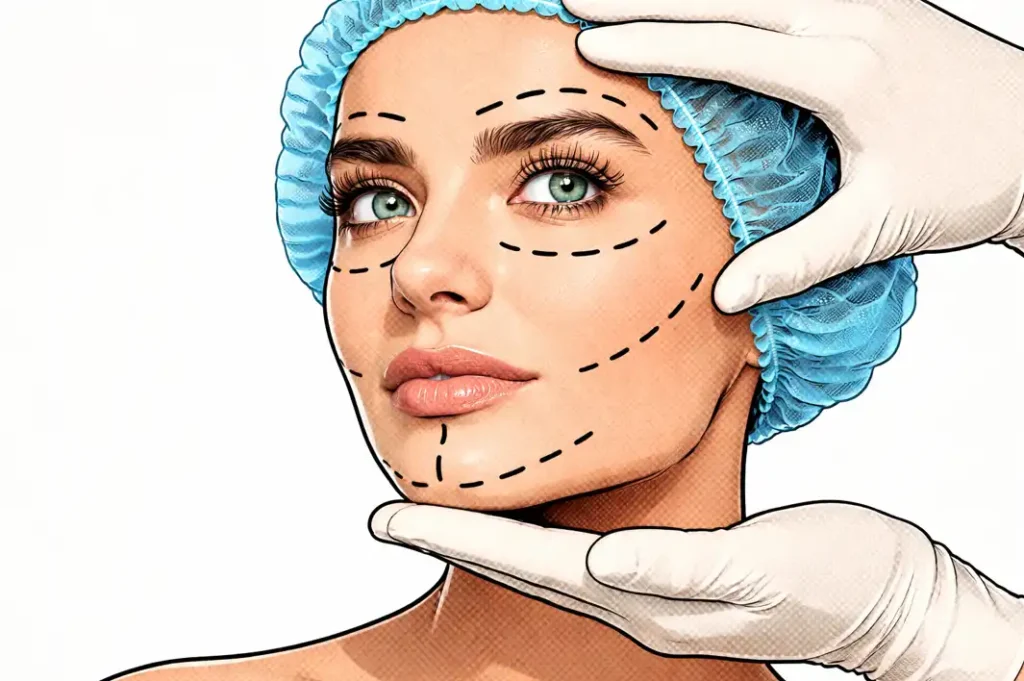
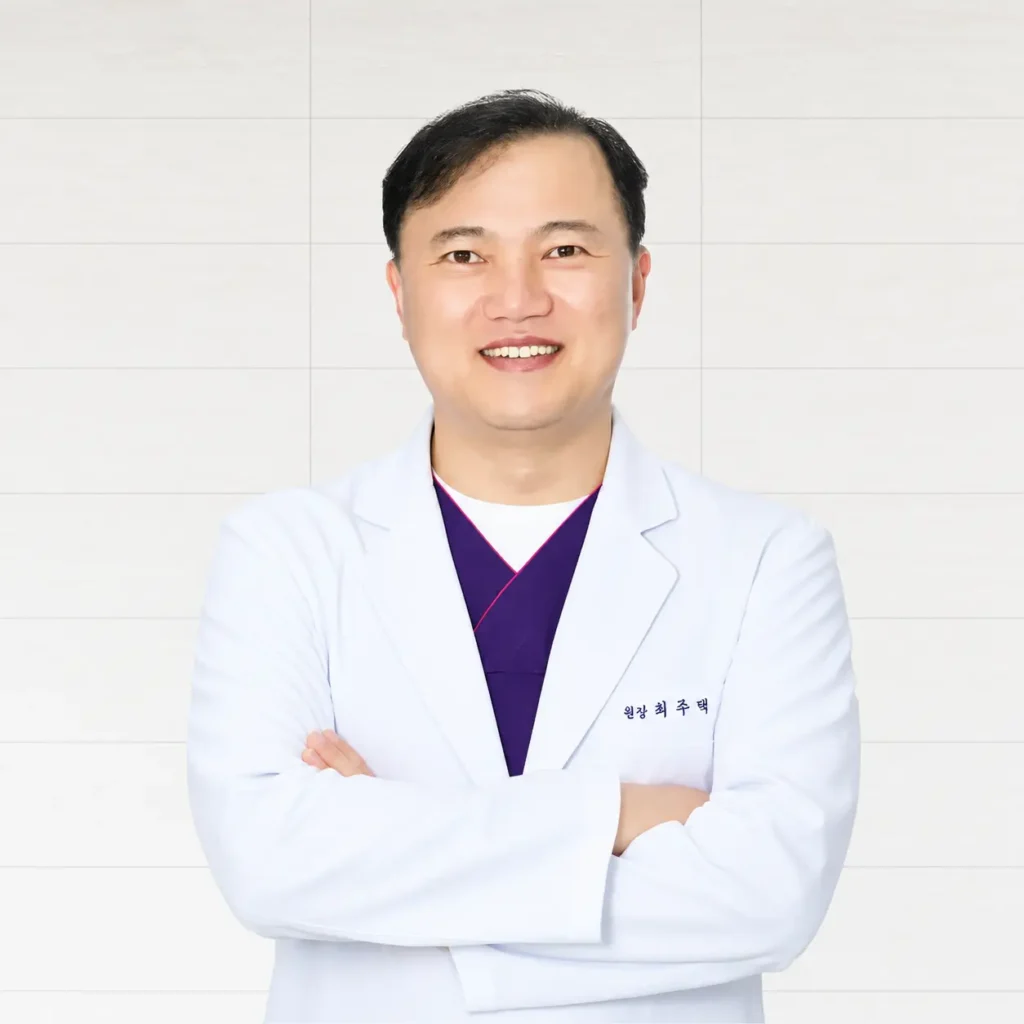

Dr. Jutaek Choi of SZ Line Clinic in Busan, Korea, focuses on personalized plastic surgery and anti-aging care. His approach emphasizes patient safety, natural-looking results, comprehensive assessment, and continued postoperative care. International patients are encouraged to prepare their medical records, discuss realistic expectations, and arrange follow-up care before traveling to Korea.
KoreaMedTour.com
This exclusive KoreaMedTour interview features Dr. Jutaek Choi, Chief Director of SZ Line Clinic in Busan, Korea, discussing personalized plastic surgery, body contouring, facial lifting, natural anti-aging approaches, and treatment planning tailored to each patient’s anatomy, health condition, and aesthetic goals.
For international patients considering plastic surgery in Korea, choosing a plastic surgeon involves more than comparing procedure prices or available technologies. Understanding a physician’s clinical philosophy, assessment of individual anatomy, treatment recommendations, and commitment to patient safety is equally important.
In this exclusive KoreaMedTour interview, Dr. Jutaek Choi discusses his approach to personalized aesthetic medicine, explaining why careful assessment of each patient’s physical condition, facial and body proportions, and treatment goals is essential before determining an appropriate treatment plan.
His approach emphasizes natural-looking results, individualized treatment selection, and continued patient care throughout the consultation, procedure, and recovery process. For international patients visiting Busan, he also highlights the importance of preoperative health assessments, realistic expectations, and clear postoperative care arrangements.
His guiding principle is:
“Patient Safety First. Natural Beauty Through Personalized Care. Responsibility from Consultation to Recovery.”
Table of Contents
Meet Dr. Jutaek Choi
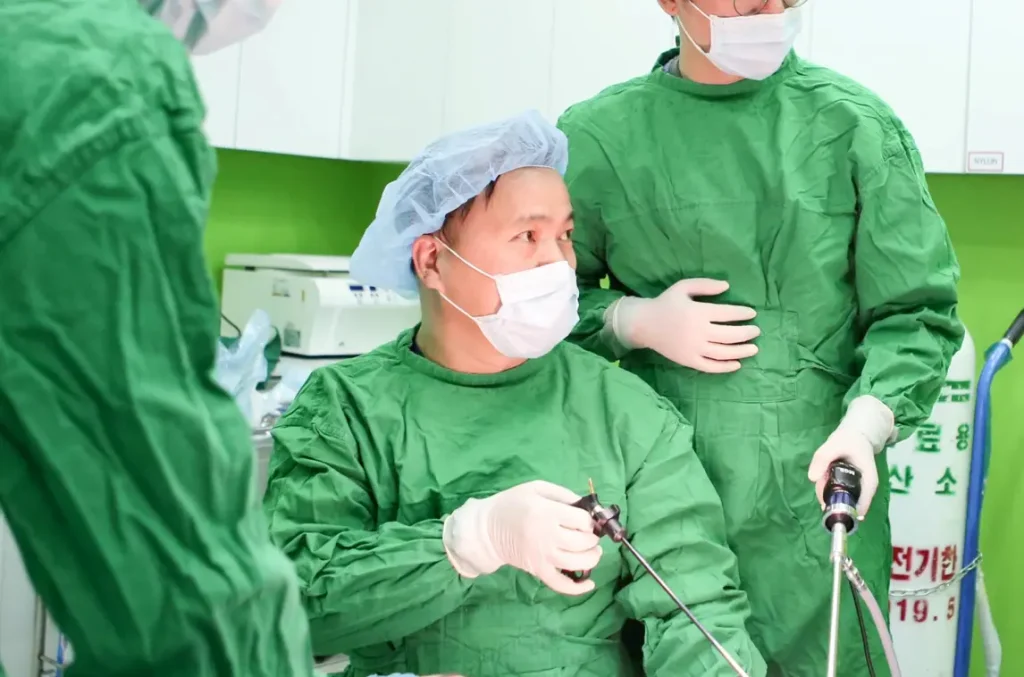
Dr. Jutaek Choi is the Chief Director of She’s Line Clinic in Busan, Korea, with clinical interests spanning plastic surgery, body contouring, facial rejuvenation, and anti-aging treatments.
Throughout his clinical practice, Dr. Choi has focused on helping patients achieve natural-looking aesthetic results while prioritizing their individual anatomy, health, and safety. His areas of interest include liposuction, breast augmentation, facial lifting, thread lifting, eyelid surgery, skin rejuvenation, hair loss treatment, and regenerative approaches to aesthetic medicine.
His treatment philosophy emphasizes comprehensive assessment before selecting a procedure. By considering each patient’s facial structure, body proportions, skin condition, degree of tissue sagging, and volume loss, he aims to develop treatment plans suited to individual needs and aesthetic goals.
Dr. Choi also emphasizes that patient safety must take priority over aesthetic expectations. He believes that understanding a patient’s medical history, evaluating potential surgical risks, explaining realistic outcomes, and recommending against unsuitable procedures are essential parts of responsible aesthetic care.
For international patients, he highlights the importance of preparing medical records and relevant health examination results in advance, discussing individual anatomical characteristics, and arranging postoperative follow-up before traveling to Korea. His approach emphasizes informed decision-making, natural-looking results, and continued care throughout the treatment and recovery process.
Dr. Choi’s guiding philosophy is built on three principles: kindness, doing one’s best, and harmony. He aims to provide considerate care, make responsible treatment decisions, and maintain open communication with patients from their initial consultation through recovery.
Q1. What Inspired You to Become a Doctor and Pursue Aesthetic Medicine?
Dr. Jutaek Choi:
During high school, I lost a close friend to nephritis, a serious kidney condition. Watching someone I cared about pass away left me with a profound sense of helplessness and grief. That experience became a decisive reason for choosing medicine. I wanted to help others and prevent families from experiencing the pain of losing someone they love to illness.
As I studied medicine and gained clinical experience, I discovered another important dimension of medical care: aesthetic and plastic surgery.
One experience that has stayed with me involved a patient who had undergone breast implant surgery. When she looked in the mirror and saw her changed appearance, she was moved to tears.
Those tears represented more than satisfaction with a physical change. They reflected the confidence she had regained after years of insecurity and emotional distress.
That experience helped me understand how aesthetic medicine can affect a person’s quality of life. Just as medical treatment can address physical illness, aesthetic treatment may help some patients overcome long-standing concerns about their appearance and feel more comfortable with themselves.
This realization became one of the reasons I chose to devote my career to aesthetic and plastic surgery.
Q2. What Is Your Philosophy of Patient Care?
Dr. Jutaek Choi:
The two principles I consider non-negotiable are patient safety and taking responsibility for the entire treatment process.
Aesthetic medicine can help patients improve their appearance and confidence, but these benefits are meaningful only when treatment is planned around their health and safety.
Even when a particular procedure might produce an attractive result, I will not proceed if it presents an unacceptable risk to the patient. I do not believe that aesthetic goals should take priority over medical judgment.
I also believe that a doctor’s responsibility does not end when a patient leaves the operating room.
Patients may experience anxiety during recovery, notice changes they do not understand, or have questions about their progress. These concerns deserve careful attention.
I consider it my responsibility to support patients throughout their recovery and help them return to their daily lives with appropriate medical guidance.
When patients first come to a clinic, they place their trust in the medical team. Honoring that trust means remaining attentive and responsible throughout the treatment journey.
Q3. Which Areas of Aesthetic Medicine Are You Most Interested In?
Dr. Jutaek Choi:
My main clinical interests are body contouring and comprehensive anti-aging approaches that address both structural changes and tissue regeneration.
In body contouring, I focus on liposuction and the use of a patient’s own fat for facial and breast fat grafting. These approaches can help remove unwanted fat from selected areas while restoring volume where appropriate.
Breast implant surgery may also be considered when a patient wants a more noticeable change in breast volume or body proportions. The treatment plan must account for the patient’s anatomy and individual goals.
My interest in anti-aging extends beyond the skin’s surface.
For patients with significant facial sagging, facelift surgery may be considered to reposition descended soft tissue. Ultherapy PRIME, which uses focused ultrasound energy, is another treatment option for selected patients seeking tissue tightening.
I am also interested in regenerative approaches, including stem cell-based treatments, which are intended to support tissue repair and regeneration.
My overall goal is to combine appropriate structural correction with treatments that address skin quality and tissue health. The best approach depends on the patient’s condition, and no single treatment is suitable for everyone.
Q4. How Do You Develop a Personalized Treatment Plan?
Dr. Jutaek Choi:
Every patient has different anatomical characteristics and a different pattern of aging. For this reason, I do not believe that one standardized treatment plan can address everyone’s concerns.
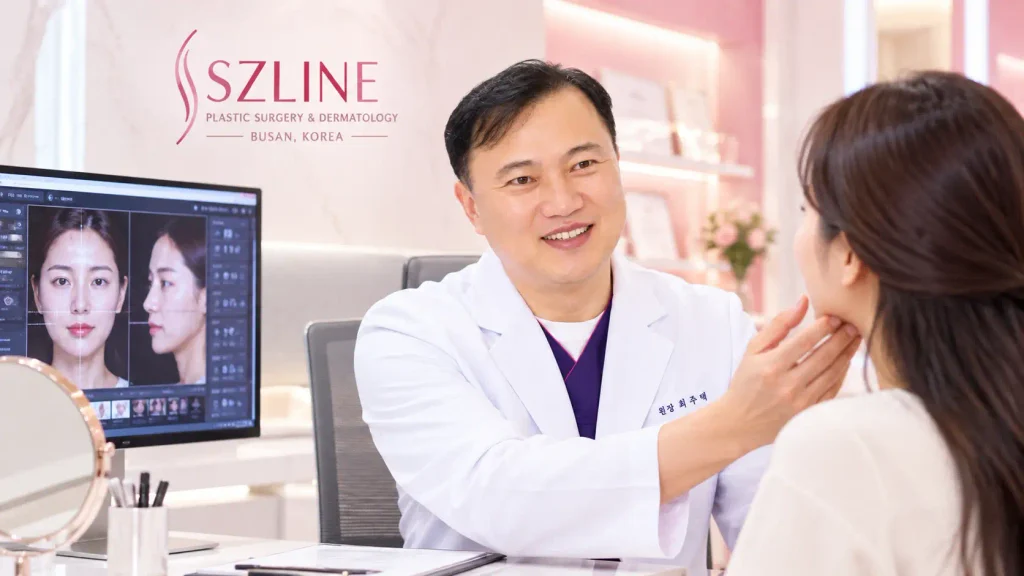
For skin treatments, I use detailed skin assessment rather than relying on visual observation alone. Depending on the available diagnostic tools, factors such as pigmentation, moisture levels, pore appearance, and sebum conditions can be evaluated to help guide treatment selection.
For surgical and lifting procedures, I consider the patient’s age, soft-tissue condition, degree of sagging, and volume loss. Two people of the same age may have very different anatomical needs.
The objective is to develop a plan that is appropriate for the individual rather than performing too much or too little treatment.
I also believe that recovery and daily habits are important parts of the overall treatment process.
In the original interview, I discuss four lifestyle factors that I encourage patients to consider, particularly older adults:
- Adequate protein intake: Protein provides essential building blocks for tissue maintenance and repair.
- Nutritional support: I discuss vitamin C and glutathione as part of my approach to antioxidant support.
- Sufficient sleep: Rest is important for normal recovery and general health.
- Time-restricted eating: I discuss a 12-hour intermittent fasting period as one possible lifestyle practice.
These recommendations must be individualized according to each patient’s health and nutritional needs. Supplements and fasting are not appropriate for everyone and should be discussed with a qualified healthcare professional when necessary.
My approach combines medical assessment, appropriate treatment selection, and practical recovery guidance.
Q5. What Does Natural Anti-Aging Mean to You?
Dr. Jutaek Choi:
Natural anti-aging does not mean simply filling every hollow or pulling the skin tightly until the face looks different.
I believe the goal is to improve the appearance of aging while preserving the patient’s individual features and natural expressions.
For selected patients, collagen-stimulating treatments such as Radiesse may be considered. I am also interested in regenerative approaches, including stem cell-based treatments, as part of the broader discussion of tissue repair and rejuvenation.
However, the appropriate treatment depends on the patient’s anatomy, skin condition, medical history, and expectations. No treatment can guarantee that a patient will regain their previous appearance or reverse the biological aging process.
Daily habits also matter. Adequate nutrition, sufficient sleep, and appropriate medical follow-up can support general health and recovery.
For me, natural-looking anti-aging is about finding the right balance between medical treatment and the preservation of each patient’s individual appearance.
Q6. How Should Patients Choose Between Different Lifting Treatments?
Dr. Jutaek Choi:
The first step is to understand what is causing the patient’s concern.
Some patients have more noticeable volume loss, while others have more pronounced sagging. These problems may look similar at first, but they do not necessarily require the same treatment.
A detailed assessment of the skin and underlying tissues helps determine which approach may be appropriate.
I often compare facial rejuvenation to rebuilding an aging building. Different structural problems require different solutions.
1. Foundation: Ultrasound lifting
Treatments such as Ultherapy use focused ultrasound energy to target deeper tissue layers. They may be considered when tissue tightening is an appropriate goal.
2. Structural support: Thread lifting
Thread lifting uses inserted threads to reposition selected soft tissues. Suitability depends on the degree of sagging, tissue characteristics, and the limitations and risks of the procedure.
3. Finishing and volume restoration: Fillers and regenerative approaches
For selected patients, fillers or other volume-restoring treatments may be considered to address hollow areas. Regenerative treatments may also be discussed where appropriate, although their benefits and limitations depend on the specific procedure and available clinical evidence.
These approaches are not interchangeable, and combining them is not always necessary.
The most important step is to determine whether the patient’s main concern is sagging, volume loss, skin quality, or a combination of factors. The treatment plan should follow the clinical assessment rather than a preference for a particular procedure.
Q7. What Should Patients Consider Before Choosing Non-Surgical Anti-Aging Treatments?
Dr. Jutaek Choi:
Before choosing Botox, fillers, lifting procedures, or other non-surgical treatments, patients should first understand the actual condition of their face.
It can be tempting to select a procedure because it is popular or relatively affordable. However, a treatment that works well for one person may not be suitable for another.
Facial aging is a complex process. It can involve changes in skin elasticity, loss of subcutaneous fat, sagging of deeper tissues, and changes in the muscles responsible for facial expressions.
A treatment that addresses only one visible concern may not address the underlying issue.
During consultation, I assess whether the main concern involves volume loss, tissue sagging, skin quality, or a combination of these factors.
The patient’s natural facial structure and individual aging pattern must also be considered.
My goal is to select treatments that are medically appropriate and proportionate to the patient’s needs, rather than recommending unnecessary procedures.
Q8. What Should Patients Know Before Liposuction or Body Contouring?
Dr. Jutaek Choi:
One common misconception is that removing as much fat as possible will automatically produce the best body shape.
Liposuction is not primarily a weight-loss procedure. Its purpose is to improve body contours and proportions by selectively removing subcutaneous fat from appropriate areas.
The amount of fat removed is not the only factor that determines the outcome.
The surgeon must consider the patient’s skeletal structure, muscle contours, skin elasticity, and the distribution of fat throughout the treatment area.
It is important to preserve an appropriate and relatively even layer of subcutaneous fat.
Removing too much fat can contribute to uneven contours, adhesions, irregularities, or loose skin. These problems may be difficult to correct.
For this reason, I focus on identifying which areas should be treated and how much fat should remain to support a smooth, balanced appearance.
The goal of body contouring is not simply to remove fat, but to create contours that suit the patient’s anatomy.
Patients should also understand the risks, recovery requirements, and realistic limitations of liposuction before deciding to proceed.
Q9. What Matters Most When Planning Breast Augmentation?
Dr. Jutaek Choi:
For me, natural-looking results are the highest priority when planning breast augmentation.
A successful outcome is not determined by breast size alone. The result should complement the patient’s natural proportions and anatomy.
Before selecting an implant, I consider factors such as chest width, skin thickness, available tissue, breast position, and overall body proportions.
Choosing an implant based only on a patient’s preferred size may lead to a result that does not suit their anatomy.
Even a high-quality implant cannot compensate for a treatment plan that ignores the patient’s individual physical characteristics.
I also consider how the breasts may look and feel in different positions, including when standing and lying down.
The objective is to create a result that feels comfortable and looks balanced rather than unnecessarily exaggerated.
Patients should discuss implant options, potential complications, recovery, and future follow-up requirements with their surgeon before making a decision.
Q10. How Do You Approach Eyelid Surgery and Eye-Area Rejuvenation?
Dr. Jutaek Choi:
The eyes play an important role in facial expression and first impressions. For this reason, naturalness is especially important when planning eyelid surgery and treatments around the eyes.
Simply making the eyes appear larger or removing as much skin as possible can produce an unnatural appearance if the patient’s original features are not taken into account.
For appropriate patients, procedures such as lower eyelid fat repositioning, upper blepharoplasty, and lower blepharoplasty may be considered.
The treatment plan depends on the patient’s anatomy, skin condition, fat distribution, and degree of age-related change.
I aim to address excess skin or unwanted fat while preserving the patient’s natural expression and facial harmony as much as possible.
The goal is not to create an entirely different appearance. It is to help patients achieve a refreshed look that remains consistent with their individual features.
Q11. What Should Patients Know About Hair Loss Treatment?
Dr. Jutaek Choi:
When a patient visits the clinic with concerns about hair loss, the first step is to assess the scalp and investigate the possible causes.
A scalp examination may help evaluate inflammation, changes in follicle size, hair density, and hair thickness.
Hair loss can have multiple causes, including genetic factors, hormonal changes, nutritional deficiencies, and stress. A treatment plan should therefore be based on an appropriate assessment rather than a standardized approach.
It is also important to determine whether the hair follicles remain active and what degree of miniaturization or damage may be present.
Patients should seek assessment when they first notice persistent thinning or increased hair shedding rather than waiting until the problem becomes advanced.
However, hair loss does not always progress in the same way, and some causes may be reversible. The appropriate treatment and expected results depend on the underlying diagnosis.
I am interested in regenerative approaches, including stem cell-based treatments, but patients should understand the current evidence, regulatory status, limitations, and uncertainties associated with any proposed therapy.
Early evaluation can help patients understand their options and avoid unnecessary delays in receiving appropriate care.
Q12. How Do You Select Laser and Skin Rejuvenation Treatments?
Dr. Jutaek Choi:
I believe that skin treatment should be based on a comprehensive understanding of the skin’s different layers and structures.
A concern visible on the surface may have several possible causes. Pigmentation, for example, can differ in depth, while reduced elasticity may be related to changes in the skin or deeper supporting tissues.
For this reason, treating only what is visible in the mirror may not be sufficient.
I consider the nature of the skin concern, its depth, the patient’s skin condition, and the characteristics of the available treatment devices.
Different lasers and skin treatments target different structures, such as pigmentation, blood vessels, or components involved in skin texture and collagen production.
The choice of treatment should reflect the specific concern being addressed, the patient’s medical history, and the potential benefits and risks.
A combination of treatments may be appropriate in some cases, but more procedures do not necessarily mean better results.
The goal is to select an appropriate treatment plan that addresses the patient’s concerns while protecting skin health.
Q13. What Should Patients Ask Before Cosmetic Surgery or an Aesthetic Procedure?
Dr. Jutaek Choi:
Patients should first ask whether their current health condition allows them to undergo the proposed treatment safely.
There are two areas I consider particularly important.
First, disclose all medications and supplements.
Patients should provide a complete list of their prescription medications, over-the-counter products, and supplements.
Some products, including certain medications and supplements such as omega-3 preparations, ginkgo, and vitamin E, may affect bleeding risk or interact with perioperative care. Aspirin and other medications can also affect blood clotting.
Patients should not stop prescribed medication on their own. The medical team should provide individualized instructions about whether any medication or supplement needs to be adjusted before or after surgery.
Second, ask about preoperative medical assessments.
Depending on the procedure, the patient’s health history, and the type of anesthesia, blood tests, an electrocardiogram, or other examinations may be required.
These assessments can help identify conditions that may affect surgical or anesthesia safety.
Patients should ask which examinations are appropriate for their specific procedure and how the results will influence the treatment plan.
A thorough consultation should include a discussion of the expected benefits, potential complications, recovery process, and alternatives to surgery.
Q14. How Do You Balance Treatment Results and Patient Safety?
Dr. Jutaek Choi:
I do not consider treatment effectiveness and patient safety to be competing priorities.
Even if a patient wants a dramatic change, I will not recommend a procedure that exceeds appropriate anatomical or medical limits.
The goal is to identify the best achievable outcome within a medically appropriate range.
Safety also extends beyond the procedure itself.
During recovery, patients may experience swelling, discomfort, or changes that cause concern. Clear communication and appropriate follow-up help the medical team assess these issues and determine whether additional care is needed.
I believe patients should have access to guidance about recovery milestones, activity restrictions, wound care, and warning signs that require medical attention.
A responsible treatment process includes ongoing communication and a clear plan for postoperative assessment.
My commitment is to approach each case carefully and support patients throughout the recovery process, rather than treating the procedure as an isolated event.
Q15. What Should International Patients Prepare Before Receiving Plastic Surgery in Busan?
Dr. Jutaek Choi:
International patients should begin by gathering information about their current health status before traveling to Korea.
Recent blood test results and relevant medical records can help the medical team assess whether there are health conditions that may affect surgery or anesthesia.
Patients should also disclose their medical history, current medications, allergies, and any previous surgical complications.
Another important consideration is whether the treatment plan accounts for the patient’s individual anatomical characteristics.
People can differ in bone structure, skin thickness, tissue characteristics, and scar formation. The consultation should consider these differences rather than applying the same aesthetic expectations to every patient.
International patients should also ask about postoperative care before booking their treatment.
Important questions include:
- What examinations are required before treatment?
- How long should I remain in Korea?
- When will follow-up appointments take place?
- What should I do if I experience a complication after returning home?
- Can the clinic provide remote follow-up guidance?
- Will I need additional treatment or monitoring in my home country?
Planning these details in advance helps patients understand the full treatment process and make more informed decisions.
Q16. What Questions Do International Patients Ask Most Often?
Dr. Jutaek Choi:
International patients commonly ask about recovery time, whether treatment can be customized to their anatomy, and how follow-up care will be handled after they return home.
One frequent question is, “How long do I need to stay in Korea, and when can I return to my normal activities?”
Recovery varies considerably depending on the procedure, the patient’s health, and the extent of treatment.
Some non-surgical treatments may involve relatively short recovery periods. Surgical procedures, including facelifts, extensive liposuction, and breast augmentation, may require longer recovery and additional monitoring.
In the original interview, I discuss a stay of approximately two to four weeks for certain major surgical procedures. This is not a universal requirement or a guarantee of fitness to fly. Patients must receive individualized guidance based on their procedure, recovery progress, and travel arrangements.
Another important question is whether the results can look natural while respecting the patient’s individual anatomy.
I believe treatment planning should account for each patient’s facial structure, body proportions, skin characteristics, and personal goals rather than applying a uniform aesthetic standard.
Finally, patients want to know how their safety and recovery will be managed after they return home.
These are reasonable concerns. I encourage international patients to discuss the treatment plan, expected recovery, and follow-up arrangements in detail before deciding to proceed.
Q17. What Should Patients Know About Medical Safety and Aftercare?
Dr. Jutaek Choi:
The safety of a cosmetic procedure depends on more than the technical performance of the operation.
Before treatment, patients need an appropriate assessment of their health and suitability for the proposed procedure.
During the planning stage, the medical team should discuss the expected outcome, potential complications, and alternatives. Patients should also receive clear information about what the procedure can and cannot achieve.
After treatment, regular follow-up helps assess recovery and identify concerns that may require medical attention.
For international patients, aftercare planning is particularly important because they may return home before the full recovery process is complete.
Patients should know whom to contact if they develop unexpected symptoms, what information to provide, and whether an examination by a local healthcare professional may be necessary.
I believe responsible care means helping patients understand the entire process, including what happens after they leave the clinic.
Q18. What Makes Busan an Attractive Destination for Medical Tourism?
Dr. Jutaek Choi:
Busan offers international visitors a combination of medical services, coastal scenery, and cultural experiences.
In addition to its medical infrastructure, the city is known for places such as Haeundae and Gwangalli, where visitors can experience the coastline and enjoy a more relaxed environment.
For patients considering aesthetic treatment, the opportunity to combine a medical visit with time in the city can be appealing.
However, patients should plan their itinerary around their treatment and recovery requirements rather than treating the trip primarily as a holiday.
After surgery, activities may need to be restricted, and walking, sun exposure, swimming, sightseeing, or other activities may not be appropriate at every stage of recovery.
Patients should follow their surgeon’s instructions and prioritize medical appointments, rest, and safe recovery.
With appropriate planning, a visit to Busan can provide an opportunity to receive medical care while experiencing the city’s distinctive coastal setting.
Q19. What Distinguishes SZ Line Clinic’s Approach to Patient Care?
Dr. Jutaek Choi:
The three principles I want patients to associate with SZ Line Clinic are kindness, doing our best, and harmony.
Kindness
We aim to provide a considerate and supportive environment throughout the patient’s experience, from the initial consultation to treatment and postoperative care.
Patients may feel uncertain or anxious when considering cosmetic treatment. Clear explanations and thoughtful communication can help them feel more comfortable asking questions and expressing their concerns.
Doing our best
We aim to approach each case with careful assessment, appropriate medical judgment, and attention to the patient’s individual needs.
This means considering both the desired outcome and the limitations imposed by anatomy, health, and procedural safety.
Harmony
We believe that good care depends on trust and cooperation between patients, doctors, and other members of the medical team.
Rather than treating the consultation as a one-way process, we want to understand the patient’s concerns and expectations while explaining the available options and their limitations.
For us, the objective is to provide considerate care, make thoughtful treatment decisions, and build a relationship based on mutual trust.
Q20. What Developments Do You Expect to See in the Future of Aesthetic Medicine?
Dr. Jutaek Choi:
I believe aesthetic medicine will continue to explore ways to address age-related tissue changes beyond simply tightening the skin or adding volume.
One area receiving attention is regenerative medicine, which investigates ways to support tissue repair and biological processes associated with healing.
I am particularly interested in stem cell-based approaches and their potential role in future aesthetic treatments.
Research in this field explores questions involving cellular signaling, tissue repair, inflammation, and the biological mechanisms involved in regeneration.
However, it is important to distinguish scientific interest from established clinical outcomes. The safety, effectiveness, and appropriate applications of regenerative treatments depend on the specific therapy and the available evidence.
I am interested in how future developments may complement established procedures for selected patients.
Ultimately, I believe the future of aesthetic medicine should combine scientific progress with careful patient selection, transparent communication, and responsible clinical practice.
A Final Message to Patients Considering Plastic Surgery in Korea
Dr. Jutaek Choi:
I would like to express my sincere gratitude to everyone who travels to Korea, and particularly to Busan, in pursuit of their aesthetic goals.
Cosmetic and plastic surgery can be a meaningful personal journey. For some patients, addressing long-standing concerns about their appearance may help them feel more confident and comfortable with themselves.
I understand that choosing treatment requires trust and careful consideration.
My commitment is to prioritize patient safety, respect each patient’s individual features, and provide honest guidance about appropriate treatment options.
From the initial consultation through the procedure and recovery, I believe communication and responsibility should remain central to the patient’s experience.
I hope that every patient who visits SZ Line Clinic feels that their concerns have been heard and their individual needs have been carefully considered.
Our guiding values remain kindness, doing our best, and harmony. We aim to help patients make informed decisions and pursue their goals with confidence and realistic expectations.
FAQ Section
Who is Dr. Jutaek Choi?
Dr. Jutaek Choi is the Chief Director of She’s Line Clinic in Busan, Korea. His clinical interests include personalized plastic surgery, body contouring, liposuction, breast augmentation, facial lifting, eyelid surgery, skin rejuvenation, and hair loss treatment. His approach emphasizes patient safety, individualized treatment planning, and natural-looking aesthetic results.
How does Dr. Choi determine which aesthetic treatment is suitable for each patient?
Dr. Choi considers each patient’s anatomy, facial and body proportions, skin condition, degree of tissue sagging, and volume loss before recommending treatment. Depending on the patient’s needs, options may include surgical procedures, non-surgical lifting, skin treatments, or volume restoration. He emphasizes that treatment decisions should be based on individual assessment rather than procedure popularity or price.
What plastic surgery and anti-aging treatments are discussed at She’s Line Clinic in Busan?
The interview covers liposuction, body contouring, breast augmentation, facial lifting, thread lifting, ultrasound lifting, eyelid surgery, laser skin treatments, and hair loss care. Dr. Choi also discusses regenerative approaches, including stem cell-based treatments. The suitability, potential benefits, and risks of each treatment depend on the individual patient and the available clinical evidence.
What should international patients prepare before receiving plastic surgery in Busan, Korea?
International patients should prepare relevant medical records, recent health examination results when available, a list of current medications and supplements, allergy information, and details of previous surgeries or medical conditions. Dr. Choi emphasizes the importance of preoperative health assessments, discussing individual anatomical characteristics, understanding recovery requirements, and arranging postoperative follow-up before traveling to Korea.
How does Dr. Choi prioritize patient safety and natural-looking results after plastic surgery?
Dr. Choi emphasizes appropriate patient assessment, realistic treatment goals, and careful consideration of surgical risks. He believes aesthetic goals should never take priority over patient safety and that unsuitable procedures should not be performed. After treatment, patients should follow their surgeon’s recovery instructions, attend recommended follow-up appointments, and maintain communication with the medical team, including arrangements for care after returning to their home country.
Plastic Surgery in Busan for International Patients
For international patients considering aesthetic treatment in Korea, preparation and communication are important parts of the medical journey.
Before Traveling to Korea
- Gather relevant medical records and recent health examination results.
- Prepare a complete list of medications, supplements, and allergies.
- Share your treatment goals and previous procedure history.
- Ask which preoperative examinations may be necessary.
- Discuss the expected recovery period and the recommended length of stay.
- Confirm the clinic’s follow-up arrangements and how to seek assistance after returning home.
During Your Visit to Korea
- Attend a consultation and an appropriate medical assessment.
- Discuss your anatomy, health history, expectations, and treatment alternatives.
- Ask about the potential benefits, risks, limitations, and recovery requirements of the proposed procedure.
- Confirm the treatment plan and postoperative instructions before proceeding.
- Allow sufficient time for scheduled follow-up appointments.
After Treatment
- Follow your surgeon’s instructions regarding wound care, medications, activity, and recovery.
- Attend follow-up appointments as recommended.
- Ask your medical team when it is appropriate to fly and resume normal activities.
- Arrange follow-up care with a qualified healthcare professional in your home country when needed.
- Contact a healthcare professional promptly if you experience concerning or unexpected symptoms.
The specific requirements vary according to the procedure and individual circumstances. Medical assessment and the treating clinician’s advice should guide all treatment and travel decisions.
Why Personalized Aesthetic Treatment Matters
Aesthetic treatment should begin with the patient’s individual anatomy, medical history, and goals rather than with a predetermined procedure.
In this interview, Dr. Jutaek Choi emphasizes the importance of distinguishing between concerns such as volume loss, tissue sagging, skin changes, and body contour irregularities. These differences can influence which treatments may be suitable and what outcomes are realistic.
For international patients, personalization also includes understanding travel constraints, recovery requirements, communication needs, and access to follow-up care.
A thorough consultation helps patients understand their options and make informed decisions based on their circumstances.
From Aesthetic Treatment to Long-Term Care
The treatment journey does not end when a procedure is completed.
Appropriate recovery guidance, follow-up assessments, and communication with the medical team can help patients understand their progress and identify concerns that may require further evaluation.
Patients considering surgery should also understand that outcomes vary and that no procedure is free of risk. A responsible treatment plan takes account of both the desired aesthetic outcome and the patient’s long-term health.
Meet the Doctor Behind the Treatment Philosophy
Dr. Jutaek Choi’s approach at SZ Line Clinic is built around three principles:
- Kindness: Listening to patients and providing considerate communication.
- Commitment: Applying careful medical judgment and prioritizing patient safety.
- Harmony: Working collaboratively with patients and the medical team to develop appropriate treatment plans.
These principles reflect the clinic’s stated approach to personalized aesthetic care and postoperative responsibility.
A Message for International Patients
Patient Safety. Natural-Looking Results. Personalized Care.
Choosing plastic surgery or an anti-aging treatment in Korea is an important personal decision. Before proceeding, patients should understand the proposed treatment, the potential risks and benefits, the expected recovery period, and the follow-up arrangements.
For those considering treatment in Busan, Dr. Jutaek Choi’s interview highlights the importance of individual assessment, realistic expectations, and continued communication throughout the treatment journey.
Planning aesthetic treatment in Korea? Start by preparing your medical information, identifying your goals, and arranging a consultation to discuss which options may be appropriate for you.
Explore KoreaMedTour for more information about medical treatments in Korea, treatment preparation, and guidance for international patients.
References
- Dr. Jutaek Choi, Chief Director, SZ Line Clinic — Exclusive Interview with KoreaMedTour.
- SZ Line Clinic, Busan, Korea — Global Website

Korea Med Tour – Trusted Blog for Medical Tourism in Korea
Korea Med Tour is a trusted medical tourism content platform providing accurate, research-based healthcare information for international patients considering treatment in Korea.
Our editorial team specializes in global patient guidance, treatment insights, clinic selection, and medical travel planning. All content is developed using verified medical sources and structured editorial review processes to ensure clarity, safety, and reliability.
We are committed to helping international patients make informed and confident medical travel decisions when choosing Korea as their healthcare destination.