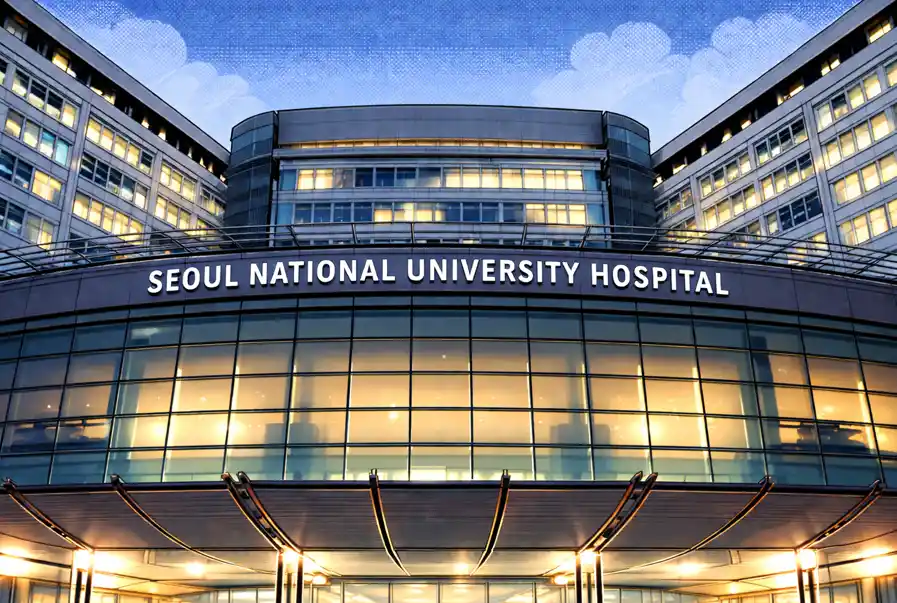

Hospitals in Gangnam for international patients are recognized for advanced medical technology, experienced specialists, multilingual care, and comprehensive medical tourism services. In 2026, they remain a leading choice for overseas patients seeking cosmetic surgery, health checkups, eye care, fertility treatment, and specialized healthcare in South Korea.
KoreaMedTour.com
Quick Summary
Hospitals in Gangnam are among the most popular healthcare destinations for international patients in 2026, offering world-class specialists, advanced medical technology, multilingual patient services, and comprehensive medical tourism support. From preventive health screenings to complex surgeries, Gangnam provides high-quality, patient-centered care across a wide range of medical specialties.
Key Insights:
- Gangnam is home to many of South Korea’s leading hospitals and specialty clinics, attracting international patients seeking cosmetic surgery, dermatology, ophthalmology, fertility treatment, cancer care, and comprehensive health screenings.
- Hospitals in Gangnam utilize advanced medical technologies, including AI-assisted diagnostics, robotic surgery, minimally invasive techniques, and high-resolution medical imaging to improve diagnostic accuracy and treatment outcomes.
- Many physicians specialize in specific diseases or procedures, allowing patients to receive highly focused care from experts with extensive clinical experience in their respective fields.
- Dedicated International Patient Centers provide multilingual coordinators, interpreter services, appointment scheduling, medical record translation, visa assistance, and personalized treatment planning for overseas visitors.
- Comprehensive health checkup programs enable patients to complete laboratory testing, diagnostic imaging, endoscopy, and physician consultations within one or two days, supporting early disease detection and preventive healthcare.
- Gangnam hospitals emphasize multidisciplinary collaboration, where specialists from different departments develop coordinated treatment plans for patients with complex medical conditions.
- Many treatments use minimally invasive or image-guided techniques when clinically appropriate, helping reduce postoperative discomfort, shorten hospital stays, and promote faster recovery.
- International patients benefit from streamlined medical tourism services, including online consultations, pre-arrival medical record reviews, airport transportation assistance, accommodation recommendations, and post-treatment follow-up coordination.
- Hospitals serving international patients maintain rigorous standards for patient safety, infection prevention, quality management, and evidence-based clinical practice through continuous quality improvement and internationally recognized accreditation.
- Gangnam continues to strengthen its reputation as a global medical tourism hub by combining internationally experienced specialists, modern healthcare infrastructure, efficient care pathways, and competitive treatment costs compared with many other developed countries.
Table of Contents

Hospitals in Gangnam Popular with International Patients
Gangnam has become one of Asia’s leading destinations for international healthcare, attracting thousands of patients every year seeking advanced medical treatments, cosmetic procedures, comprehensive health screenings, fertility care, ophthalmology, orthopedic surgery, and cancer treatment. The district combines internationally recognized medical specialists, cutting-edge technology, multilingual patient services, and convenient access from major hotels and airports.
For international patients considering medical travel to South Korea, choosing a hospital in Gangnam often means access to globally accredited healthcare, shorter waiting times than many Western countries, and comprehensive support ranging from airport pickup to interpreter services. While no single hospital is the “best” for every patient, Gangnam offers numerous highly respected institutions specializing in different medical fields.
Why Do International Patients Choose Hospitals in Gangnam?
Several factors consistently make Gangnam one of Korea’s most popular medical tourism destinations.
Advanced Medical Technology
Many hospitals in Gangnam invest heavily in:
- Robotic surgical systems
- AI-assisted diagnostic imaging
- Digital pathology
- Precision medicine
- Advanced MRI and CT equipment
- Minimally invasive surgical techniques
These technologies can improve diagnostic accuracy while reducing recovery time for appropriate candidates.
Highly Specialized Medical Experts
Unlike many healthcare systems where physicians practice broadly, Korean tertiary hospitals often organize care into highly specialized departments.
Examples include:
- Spine surgery centers
- Breast cancer clinics
- LASIK and SMILE eye centers
- Fertility medicine
- Plastic and reconstructive surgery
- Dermatology
- Anti-aging medicine
- Gastroenterology
- Thyroid surgery
- Cardiology
Patients frequently seek specialists who perform hundreds—or even thousands—of similar procedures annually.
International Patient Centers
Many leading Gangnam hospitals operate dedicated International Patient Centers that provide:
- English-speaking coordinators
- Chinese interpretation
- Japanese interpretation
- Russian support
- Arabic coordinators
- Medical document translation
- Appointment scheduling
- Visa assistance
- Hotel reservations
- Airport transportation
- Insurance guidance
These services significantly simplify the medical travel process.
Medical Specialties That Gangnam Is Known For
1. Cosmetic and Plastic Surgery
Gangnam is internationally recognized for:
- Rhinoplasty
- Double eyelid surgery
- Facial contouring
- Breast surgery
- Revision surgery
- Facial fat grafting
- Anti-aging procedures
Many surgeons have extensive experience treating overseas patients from Southeast Asia, North America, Europe, and the Middle East.
2. Dermatology
Popular treatments include:
- Acne scar treatment
- Pigmentation correction
- Laser rejuvenation
- Skin tightening
- Hair restoration
- Botox
- Dermal fillers
- Ultherapy
- Thermage
Dermatology clinics often combine cosmetic procedures with preventive skin health programs.
3. Health Checkups
Preventive medicine is one of Korea’s strongest healthcare sectors.
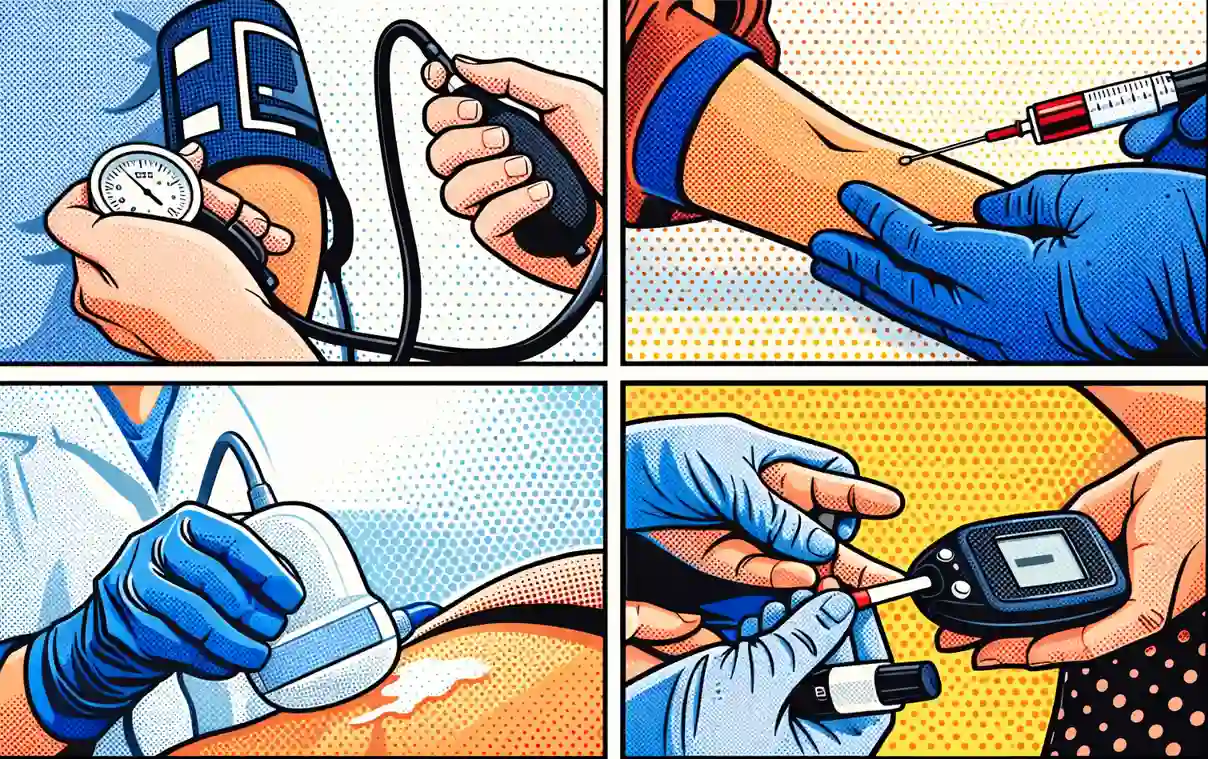
Comprehensive health screening packages typically include:
| Screening | Purpose |
|---|---|
| Blood analysis | General health evaluation |
| CT scan | Organ assessment |
| MRI | Neurological or musculoskeletal evaluation |
| Ultrasound | Liver, thyroid, abdomen |
| Endoscopy | Gastric and colon screening |
| Cardiac tests | Heart disease assessment |
| Cancer markers | Early detection support |
Many packages can be completed within one day.
4. Ophthalmology
Gangnam eye hospitals are well known for:
- SMILE Pro
- SMILE LASIK
- LASIK
- LASEK
- Cataract surgery
- Lens implantation
Advanced diagnostic equipment allows highly individualized treatment planning.
5. Fertility and Women’s Health
International couples frequently visit Gangnam for:
- IVF
- Fertility preservation
- Egg freezing
- Male infertility evaluation
- Reproductive endocrinology
- Gynecologic surgery
Success depends on many individual medical factors rather than location alone, but Korea’s fertility centers are recognized for modern laboratory techniques and personalized care.
6. Cancer Care
Large university hospitals in and around Gangnam provide multidisciplinary cancer treatment including:
- Surgical oncology
- Medical oncology
- Radiation therapy
- Precision diagnostics
- Genomic testing
- Rehabilitation
Treatment plans are typically developed by multidisciplinary teams.
What Makes Gangnam Different from Other Medical Districts?
Gangnam offers a unique combination of healthcare and convenience.
Advantages include:
- Easy airport transportation
- Luxury and budget accommodations
- Excellent public transportation
- Numerous pharmacies
- International restaurants
- Translation services
- Medical concierge companies
- Post-treatment recovery hotels
Patients can often receive consultations, imaging, surgery, and follow-up care within a relatively short stay.
International Accreditation and Quality Standards
Many major Korean hospitals serving international patients hold internationally recognized accreditations such as:
- Joint Commission International (JCI)
- Korean Institute for Healthcare Accreditation (KOIHA)
These certifications evaluate areas including:
- Patient safety
- Infection control
- Medication management
- Surgical protocols
- Quality improvement
- Continuous monitoring
Patients should verify current accreditation directly with each hospital, as certification status may change over time.
How Much Do Treatments Cost?
Medical costs vary considerably depending on diagnosis, physician, hospital type, and treatment complexity.
Approximate examples:
| Treatment | Estimated Range (USD) |
|---|---|
| Health checkup | $400–$2,500 |
| LASIK / SMILE | $1,200–$3,000 |
| Rhinoplasty | $3,000–$8,000+ |
| IVF cycle | $4,000–$9,000 |
| MRI | $300–$900 |
| Cataract surgery | $2,000–$5,000 |
Actual pricing should always be confirmed after physician consultation.
How to Choose the Right Hospital
Instead of selecting solely based on online popularity, evaluate the following factors:
Medical Expertise
Choose hospitals with extensive experience treating your specific condition.
For example:
- Spine surgery → Spine center
- Eye surgery → Ophthalmology hospital
- IVF → Fertility center
- Cancer → University hospital
International Services
Ask whether the hospital provides:
- Interpreter services
- Medical coordinators
- International insurance support
- Online consultation
- Medical records translation
Physician Experience
Questions worth asking include:
- How many similar procedures are performed annually?
- What is the surgeon’s subspecialty?
- What postoperative care is available?
- What complications should patients understand?
Follow-Up Care
International patients should understand:
- Recovery timelines
- Remote follow-up availability
- Medication instructions
- Emergency contacts
- Coordination with physicians in their home country
Typical Medical Journey for Overseas Patients
A typical patient experience often follows these steps:
- Submit medical records
- Receive preliminary review
- Online consultation
- Treatment recommendation
- Travel planning
- Hospital admission
- Treatment or surgery
- Recovery period
- Follow-up consultation
- Return home with medical documentation
Planning ahead helps reduce delays and ensures appropriate postoperative care.
FAQ Section

Why are hospitals in Gangnam for international patients so popular?
Hospitals in Gangnam for international patients are popular because they offer advanced medical technology, internationally trained specialists, multilingual coordinators, and efficient medical tourism services. Many overseas visitors also choose Gangnam medical tourism for its convenient location, modern facilities, and specialized treatment centers.
Which medical specialties are hospitals in Gangnam for international patients best known for?
Hospitals in Gangnam for international patients are especially known for cosmetic surgery, dermatology, LASIK and SMILE eye surgery, fertility treatment, comprehensive health checkups, orthopedics, and cancer care. Many Korean hospitals for foreigners provide internationally recognized expertise across these specialties.
Do hospitals in Gangnam provide English-speaking services for international patients?
Yes. Most hospitals in Gangnam for international patients operate dedicated international centers with English-speaking coordinators and interpreter services in languages such as Chinese, Japanese, Russian, Arabic, and Vietnamese, making medical treatment in Seoul more accessible for overseas visitors.
How much does treatment cost at hospitals in Gangnam for international patients?
Costs vary depending on the hospital, physician, and treatment. Hospitals in Gangnam for international patients generally provide transparent estimates before treatment, and many Korean hospitals for foreigners offer package pricing that includes consultations, procedures, and follow-up care.
How do I choose the best hospitals in Gangnam for international patients?
When comparing hospitals in Gangnam for international patients, review the hospital’s specialty, physician experience, international accreditation, multilingual support, treatment outcomes, and follow-up services. Choosing the right Gangnam medical tourism provider depends on your specific medical condition and healthcare goals.
Final Takeaway
Gangnam remains one of the most established destinations for international healthcare in 2026 because it combines advanced medical technology, experienced specialists, internationally focused patient services, and efficient care pathways. Whether seeking preventive health screenings, ophthalmology, fertility treatment, cosmetic surgery, or complex medical care, international patients can find a wide range of hospitals and specialty centers tailored to diverse clinical needs.
The most successful medical journeys begin with careful preparation. Patients should compare hospitals based on medical expertise relevant to their condition, verify physician qualifications and accreditation, request detailed treatment plans and cost estimates, and ensure that comprehensive follow-up care is available after returning home. By making informed decisions and working closely with qualified healthcare providers, international patients can maximize both safety and treatment outcomes.
References
- World Health Organization – International guidance on healthcare quality and patient safety.
- Joint Commission International – International hospital accreditation standards.
- Korea Health Industry Development Institute – Information on Korea’s medical tourism industry and international patient services.
- Ministry of Health and Welfare – National healthcare policies and international patient programs.

Korea Med Tour – Trusted Blog for Medical Tourism in Korea
Korea Med Tour is a trusted medical tourism content platform providing accurate, research-based healthcare information for international patients considering treatment in Korea.
Our editorial team specializes in global patient guidance, treatment insights, clinic selection, and medical travel planning. All content is developed using verified medical sources and structured editorial review processes to ensure clarity, safety, and reliability.
We are committed to helping international patients make informed and confident medical travel decisions when choosing Korea as their healthcare destination.