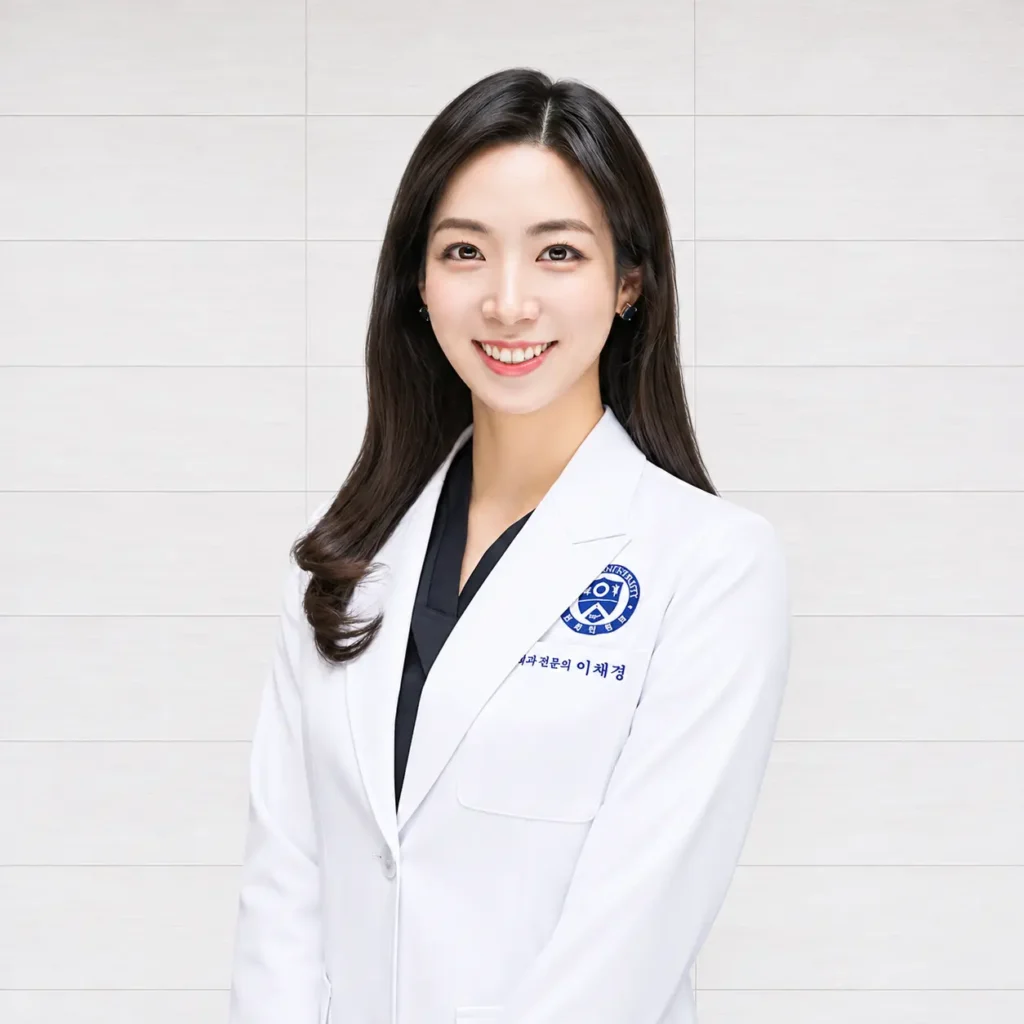

Dr. Sally Chaekyung Lee, Chief Director of Isu Yonsei Baro Orthodontic Clinic in Korea, specializes in orthodontic treatment that considers not only the alignment of teeth but also facial harmony, bite function, skeletal structure, and long-term oral health.
KoreaMedTour.com
This exclusive KoreaMedTour interview features Dr. Sally Chaekyung Lee, Chief Director of Isu Yonsei Baro Orthodontic Clinic in Korea, discussing personalized orthodontic treatment, non-extraction techniques, clear aligners, facial harmony, and comprehensive treatment planning tailored to each patient’s dental condition, facial structure, and long-term oral health.
For international patients considering orthodontic treatment in Korea, choosing an orthodontist involves more than comparing treatment costs or orthodontic appliance options. Understanding a doctor’s clinical philosophy, diagnostic approach, treatment planning, and commitment to long-term dental health is equally important.
In this exclusive KoreaMedTour interview, Dr. Sally Chaekyung Lee, Chief Director of Isu Yonsei Baro Orthodontic Clinic, discusses her approach to personalized orthodontic treatment, explaining the importance of evaluating each patient’s dental condition, bite alignment, skeletal structure, facial proportions, and individual treatment goals before determining an appropriate treatment plan.
Her approach emphasizes natural tooth preservation, facial harmony, comprehensive orthodontic diagnosis, and individualized treatment planning, helping patients make informed decisions about braces, clear aligners, and orthodontic care in Korea.
Her guiding principle is:
“Natural Tooth Preservation. Facial Harmony. Personalized Orthodontic Care.”
Table of Contents
Meet Dr. Sally Chaekyung Lee
Dr. Sally Chaekyung Lee is the Chief Director of Isu Yonsei Baro Orthodontic Clinic in Korea, where she focuses on personalized orthodontic treatment designed to achieve natural facial harmony, functional bite alignment, and long-term dental health.
Her interest in orthodontics developed partly through her own experience receiving orthodontic treatment. She was also fascinated by the application of physics to tooth movement, particularly how the direction and magnitude of forces influence the position of teeth.
In addition to her clinical background, Dr. Lee has artistic experience, including activities at the Seoul Arts Center’s Art Academy for Gifted Students, as well as art exhibitions and awards. This artistic perspective has influenced how she evaluates proportions, balance, and the relationship between individual teeth, lips, and the overall face.
Her treatment philosophy prioritizes preserving natural teeth through minimally invasive treatment whenever clinically appropriate. She also emphasizes the importance of evaluating soft tissues, skeletal structure, and the patient’s individual growth stage before deciding on a treatment approach.
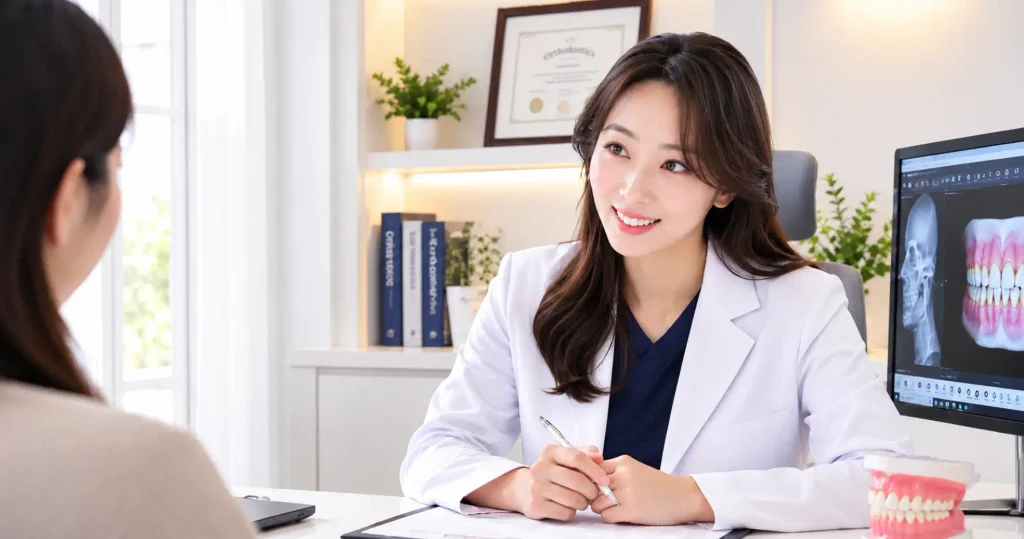
Dr. Lee provides direct, one-on-one care throughout the orthodontic process, from initial diagnosis and treatment planning to appliance removal and long-term retention.
For international patients, she highlights the importance of planning orthodontic treatment around travel schedules, regular appointments, appliance management, and follow-up care after returning home.
Her guiding principle is to treat each patient with the same consideration she would give to her own child or family member.
Q1. What Inspired You to Become an Orthodontist?
Dr. Sally Chaekyung Lee:
My own experience receiving orthodontic treatment had a significant influence on my decision to specialize in orthodontics.
Because I had experienced orthodontic treatment as a patient, I was naturally familiar with the process and interested in how it could change a person’s smile. What particularly attracted me was the fact that changing the position and alignment of teeth could also influence the balance and appearance of the entire face.
I also studied physics at a science high school. Orthodontics was especially interesting to me because it allowed me to apply the principles of physics to actual medical treatment.
The process of controlling the magnitude and direction of forces and understanding how teeth respond to those forces made orthodontics fascinating from a scientific perspective.
Ultimately, my personal experience with orthodontic treatment, my interest in physics, and the opportunity to create harmony throughout the face all contributed to my decision to become an orthodontist.
Q2. What Is Your Philosophy of Patient Care?
Dr. Sally Chaekyung Lee:
My most important goal is to help patients maintain healthy and beautiful teeth for as long as possible.
When planning orthodontic treatment, I do not focus only on how the teeth will look when the braces are removed. I also consider their function and long-term health after treatment.
For this reason, I generally prioritize non-surgical, non-prosthetic, and non-extraction approaches whenever clinically appropriate. I carefully evaluate each patient’s condition and first consider how much of their natural tooth structure can be preserved.
If a tooth does not need to be extracted, I believe we should make every reasonable effort to preserve it. Treatment should be provided at the appropriate time and only to the extent necessary.
Facial harmony is equally important. In addition to tooth alignment and bite relationships, I evaluate the lips, side profile, and appearance of the smile to achieve results that look natural and suit each patient’s facial characteristics.
One principle guides many of my decisions: “How would I approach treatment if this were my own child?”
I aim to achieve the best possible result with the minimum necessary intervention. I also carefully plan the treatment process so that patients can continue their daily activities as comfortably as possible.
For me, good orthodontic care means considering not only the final result but also the patient’s experience throughout treatment.
Q3. How Does Your Artistic Background Influence Your Approach to Orthodontics?
Dr. Sally Chaekyung Lee:
My artistic background has had a significant influence on how I approach orthodontic treatment.
I believe that aesthetic perfection often comes down to very small differences. The angle and visibility of the front teeth, the relationship between the teeth and lips, and other subtle details can collectively influence the overall impression of a person’s face.
Through studying art and creating artwork, I developed an appreciation for lines, proportions, balance, and the relationship between individual elements and the whole composition.
This experience helps me evaluate how each tooth’s position and alignment interact with the lips and the overall facial structure.
I believe a clinician’s aesthetic judgment plays an important role in the cosmetic quality of orthodontic treatment. The same dental alignment can create different impressions depending on the facial characteristics of the individual.
By combining scientific diagnosis and orthodontic principles with my artistic experience, I aim to find a balance that respects and enhances each patient’s natural facial features.
Q4. Why Is It Important to Consider the Entire Face, Not Just the Teeth, During Orthodontic Treatment?
Dr. Sally Chaekyung Lee:
In addition to evaluating the teeth, roots, bite, and skeletal structure, I place considerable importance on the harmony of the soft tissues.
I pay particular attention to the shape and position of the lips, their relationship with the jawline, the amount of tooth display when smiling, and the appearance of the gum line.
These elements work together to create the actual appearance of a person’s face and smile.
Every individual has unique soft-tissue characteristics, and there are limitations to how much orthodontic treatment can change them.
Therefore, it is important to understand the patient’s existing lip position, jawline, and facial characteristics before determining the ideal tooth position and alignment.
My goal is not to create an identical smile for everyone. It is to achieve the most natural harmony for each individual.
I want the teeth, lips, and gum line to work together naturally, creating a smile that looks balanced and attractive even when the patient is relaxed and smiling comfortably.
Q5. How Do You Develop an Individualized Orthodontic Treatment Plan?
Dr. Sally Chaekyung Lee:
The three factors I consider most important are soft-tissue characteristics, skeletal structure, and treatment timing.
The jawbones provide the foundation that supports the teeth. Therefore, I first evaluate the relationship between the upper and lower jaws, their skeletal balance, and the surrounding lips and facial structures.
If a skeletal imbalance exists, I assess how much improvement is possible and which treatment approach would be appropriate. Based on that foundation, I then plan the position and alignment of the teeth.
For children, one important advantage is the possibility of incorporating natural growth into treatment.
Depending on the type of skeletal problem and the child’s developmental stage, it may be possible to guide jaw growth and improve the relationship between the upper and lower jaws.
For this reason, I evaluate not only the current condition of the teeth but also the child’s growth stage and the most appropriate time to begin treatment.
Even when two patients appear to have similar dental alignment, their treatment requirements and sequencing may differ because of variations in skeletal structure, soft tissues, and growth.
I believe individualized orthodontics means establishing goals that suit each patient’s face and providing the necessary treatment at the appropriate time.
Q6. When Is Non-Extraction Orthodontic Treatment Possible, and What Are Its Limitations?
Dr. Sally Chaekyung Lee:
When deciding whether tooth extraction is necessary, I first evaluate how much space is lacking and whether the skeletal structure provides sufficient room for tooth movement.
I examine whether there is enough space to align the teeth, whether expansion may be necessary, and how far the teeth can safely move considering the condition of the supporting bone and gums.
The position of the lips and overall facial harmony are also important factors.
Even if the teeth can be aligned without extraction, there may be limitations in reducing dental protrusion or achieving the facial changes a patient expects.
In these situations, I explain the possible results and limitations of non-extraction treatment, along with the potential benefits and considerations of extraction treatment.
We then discuss the patient’s expectations and priorities.
Some patients may choose non-extraction treatment after understanding its limitations, provided it remains clinically appropriate. In other cases, extraction may be the more suitable option for achieving the desired treatment outcome.
My guiding principle is to preserve natural teeth whenever possible while considering the patient’s oral health and treatment goals together.
The decision should be based on an accurate diagnosis and a clear understanding of what each treatment option can realistically achieve.
Q7. How Can Molar Distalization Help Create Space During Orthodontic Treatment?
Dr. Sally Chaekyung Lee:
Molar distalization is a technique that moves the molars backward to create additional space for aligning the teeth or improving the bite.
However, before considering this approach, I first check whether sufficient space exists behind the molars, whether the supporting bone can accommodate the movement, and whether the surrounding soft tissues allow the teeth to move safely.
Particular care is necessary when molar distalization is used primarily to avoid tooth extraction.
If the available space and soft-tissue limitations are not adequately considered, part of the second molar may become covered by gum tissue, making oral hygiene difficult and potentially increasing the risk of inflammation.
Depending on the final tooth position, the normal bite relationship may also be affected.
I do not believe that preserving a premolar should come at the expense of the health and function of the posterior molars.
Therefore, I evaluate not only how much space can be created but also whether the relocated teeth can remain healthy and function properly in their new positions.
The goal is to create sufficient space while maintaining a healthy and balanced overall bite.
Q8. What Is the Difference Between Clear Aligners and Traditional Braces?
Dr. Sally Chaekyung Lee:
Clear aligners and traditional bracket braces move teeth using different mechanisms.
Clear aligners fit over the teeth and apply controlled forces through a series of custom-made appliances.
Traditional braces use brackets attached to the teeth and wires that transmit forces to guide tooth movement.
Because the methods of applying and controlling forces are different, I first evaluate the required tooth movements and the patient’s bite condition before deciding which approach is appropriate.
When both methods are clinically suitable, I consider the patient’s cooperation and aesthetic preferences important factors.
Clear aligners are less noticeable and can be removed when eating or brushing. However, patients must wear them consistently for the prescribed number of hours each day.
This means that the patient’s ability to follow the wearing schedule is an important consideration.
Traditional braces, on the other hand, are fixed to the teeth, so patients do not need to manage daily wearing time in the same way.
I discuss how concerned patients are about the visibility of their appliances, their daily habits, and their ability to maintain consistent treatment.
Ultimately, the most appropriate appliance is one that can achieve the treatment goals while fitting the patient’s lifestyle and preferences.
Q9. What Are the Differences Between Invisalign and Angel Aligner?
Dr. Sally Chaekyung Lee:
Invisalign and Angel Aligner are both clear aligner systems that move teeth through a series of individually designed transparent appliances.
Their fundamental treatment principles are similar, but there are differences in materials, specific appliance features, and the software used to design and visualize tooth movement.
For example, Invisalign uses ClinCheck, while Angel Aligner uses the iOrtho software platform.
I consider how the specific features of each system can be applied to the individual patient’s treatment needs.
However, more important than the brand of the aligner is the accuracy of the diagnosis and treatment plan.
We need to evaluate the condition of the teeth, roots, gums, and skeletal structure, as well as the harmony between the lips and the face.
We must determine which teeth need to move, in which direction, by how much, and how the necessary space will be created.
Even when the same aligner system is used, treatment can differ significantly depending on these clinical decisions.
Digital simulations are useful tools for visualizing and adjusting the treatment plan. However, we must carefully assess whether the movements shown on the screen are actually achievable under the patient’s clinical conditions.
Treatment progress must also be monitored, with adjustments made whenever necessary.
I believe the correct approach is to establish the patient’s treatment goals first and then select the aligner system best suited to achieving them.
Q10. What Should Adults Know Before Starting Orthodontic Treatment?
Dr. Sally Chaekyung Lee:
Adults can also improve their dental alignment and bite through various types of orthodontic tooth movement.
However, one important difference between adult and childhood orthodontics is that most adult jaw growth has already been completed.
Unlike growing children, adults generally cannot take advantage of natural jaw growth as part of their orthodontic treatment.
Therefore, treatment goals and methods must be established within the limits of the existing skeletal structure and the tissues supporting the teeth.
Before treatment, I carefully examine the condition of the gums and alveolar bone, which supports the teeth, as well as any existing periodontal disease.
If periodontal disease is present, inflammation must first be controlled and the condition stabilized before orthodontic treatment begins.
Existing dental restorations, such as crowns and bridges, as well as dental implants, must also be evaluated and incorporated into the treatment sequence and tooth-movement plan.
Treatment duration, pain, and discomfort vary from person to person.
Based on the patient’s condition and the amount of tooth movement required, I explain the expected treatment period, possible discomfort, management methods, and precautions.
I believe patients should fully understand both the expected improvements and the potential demands of treatment before making their decision.
Q11. When Should Children and Teenagers Have Their First Orthodontic Examination?
Dr. Sally Chaekyung Lee:
There are several signs parents can look for when considering an orthodontic examination.
These include an underbite, where the lower front teeth sit in front of the upper front teeth when the mouth is closed, a lower jaw that appears small or positioned too far backward, and habitual mouth breathing.
I recommend that children have their first orthodontic screening by the age of seven at the latest. If any of these signs are present, an examination may be appropriate even earlier.
The timing of treatment depends on the type of problem, the development of the permanent teeth, and the child’s growth stage.
For example, certain types of underbite may require relatively early intervention, depending on their underlying cause.
When the lower jaw is positioned backward, treatment timing may be planned around the pubertal growth spurt.
Depending on the examination findings, treatment may begin immediately, or we may monitor the child’s growth regularly and wait for a more appropriate time.
When a child habitually breathes through the mouth, I also consider whether nasal obstruction or another breathing difficulty may be involved.
If necessary, I recommend an evaluation by an ear, nose, and throat specialist before determining whether orthodontic treatment is appropriate.
I believe growth-stage examinations are important because they help parents understand what their child needs now and which changes should be monitored in the future.
My principle is to provide the necessary treatment in the appropriate amount at the right stage of development.
Q12. How Do Growth Plate Assessments and Digital Diagnostic Technologies Help Orthodontic Treatment?
Dr. Sally Chaekyung Lee:
These examinations and digital technologies help us understand different aspects of a patient’s condition and develop more specific treatment plans, including when treatment should begin.
A growth plate assessment provides information about skeletal maturity and helps estimate a child’s developmental stage.
Children of the same age can have different growth rates. Therefore, I consider growth plate findings together with dental development, jaw relationships, and changes observed over time.
This helps determine whether treatment should begin immediately or whether continued observation would be more appropriate.
A 3D CT scan can be used when clinically necessary to examine the teeth, roots, surrounding alveolar bone, and jaw structures in three dimensions.
For example, it can help identify the position of unerupted teeth and their relationship with the roots and surrounding bone.
This information helps determine the direction and extent of tooth movement and identify potential treatment considerations.
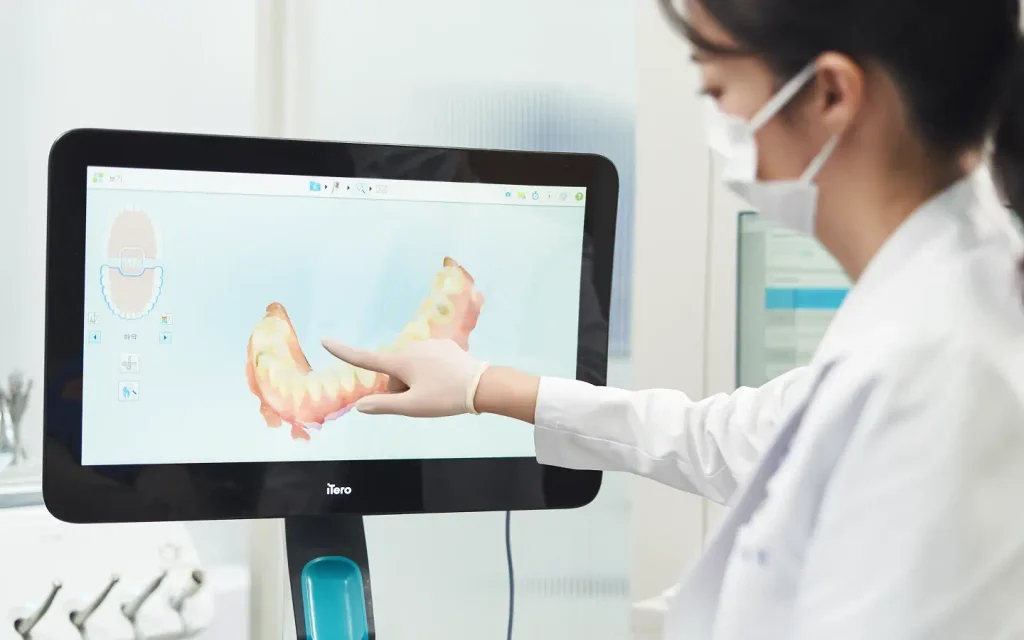
An intraoral digital scanner records the shape and alignment of the teeth, as well as how the upper and lower teeth fit together.
These digital records can be used to develop treatment plans and design orthodontic appliances. They also allow us to compare changes in dental alignment before and during treatment.
Another advantage is that patients and parents can visually understand the current dental condition and proposed treatment direction.
RAYFace is a system that records the three-dimensional surface of the face, including the lips and smile.
When combined with intraoral scanning data, it allows us to evaluate how the teeth appear within the context of the entire face.
This can help us consider the relationship between the lips and teeth, the amount of tooth display when smiling, and overall facial balance when establishing treatment goals.
I believe the most important step is interpreting these digital records together with the findings from an actual clinical examination.
Not every patient needs every available examination. The appropriate diagnostic tools should be selected according to the patient’s condition and treatment requirements.
Q13. Why Is a Comprehensive Orthodontic Examination Important Before Treatment?
Dr. Sally Chaekyung Lee:
During the initial consultation, one of the most important things I want to understand is what the patient finds most uncomfortable and what they hope to improve through treatment.
Even patients with similar dental alignment may have very different concerns and expectations.
I want to understand those individual goals and incorporate them into the treatment plan as much as possible.
During a comprehensive examination, I evaluate dental alignment, bite relationships, tooth roots, alveolar bone, and the relationship between the upper and lower jaws.
I also examine the harmony of the lips and the overall facial structure.
Based on these findings, I develop a treatment plan that considers dental and skeletal health, functional requirements, and the natural appearance of the soft tissues.
The examination results may sometimes change the treatment method a patient initially had in mind.
There may also be differences between the patient’s preferred approach and the treatment I recommend based on my diagnosis.
In these situations, I explain the expected results, potential limitations, advantages and disadvantages, and differences in estimated treatment duration for each option.
My role is to help patients understand these differences and make decisions based on the factors that matter most to them.
Within clinically appropriate treatment options, I respect each patient’s goals and priorities and aim to begin treatment only after we have reached a shared understanding.
Q14. When Is Orthognathic Surgery Considered for Skeletal Malocclusion?
Dr. Sally Chaekyung Lee:
Orthognathic surgery may be considered when there is a significant difference in the size or position of the upper and lower jaws, making it difficult to achieve sufficient improvement in bite function and facial balance through orthodontic tooth movement alone.
We also evaluate whether the facial changes a patient hopes to achieve are possible through orthodontic treatment or whether changing the position of the jawbones themselves is necessary.
In conventional surgical orthodontic treatment, braces are usually used before surgery to prepare the position and inclination of the teeth.
The purpose is to organize the dental arches so that the upper and lower teeth can fit together properly after the jawbones are moved into their planned positions.
After surgery, orthodontic treatment continues to refine the alignment and bite, helping establish stable chewing function and occlusion.
In selected cases, surgery-first orthodontics may also be considered. This approach involves performing jaw surgery first and following it with orthodontic treatment.
One characteristic of this approach is that patients can experience facial changes earlier in the treatment process.
The appropriate sequence depends on the patient’s main concerns, treatment priorities, skeletal and dental conditions, and the amount of adjustment required after surgery.
For a stable result, I believe it is essential to plan the postoperative bite carefully before surgery takes place.
We must consider how the teeth will fit together immediately after the jawbones are repositioned and whether a stable final bite can be achieved through subsequent orthodontic treatment.
Close cooperation between the orthodontist and oral and maxillofacial surgeon is important, as is continued monitoring of recovery and bite changes after surgery.
Q15. How Long Does Orthodontic Treatment Take, and What About Pain?
Dr. Sally Chaekyung Lee:
Treatment duration depends on several factors, including how far and in which directions the teeth need to move, the complexity of the bite problem, the condition of the gums and alveolar bone, and each patient’s biological response to treatment.
Patient cooperation also makes a difference.
For example, the amount of time patients wear elastics or clear aligners, their attendance at scheduled appointments, and their appliance care can all affect treatment progress.
After a comprehensive examination, I explain the estimated treatment period while making it clear that the actual duration may change depending on how treatment progresses.
When braces are first attached or adjusted, patients may experience soreness or pressure when chewing.
This discomfort generally appears during the first few days and gradually decreases, although the intensity and duration vary from person to person.
During this period, eating soft foods such as porridge or steamed eggs can help. It is also advisable to avoid hard or chewy foods.
If brackets or wires irritate the inside of the lips or cheeks, orthodontic wax can be applied to protect the affected areas.
When pain relief is necessary, patients can be advised on appropriate pain medication according to their age and health condition, following the recommended dosage instructions.
If pain becomes increasingly severe, does not improve after several days, or is accompanied by gum swelling or an appliance that is irritating the tissue, patients should contact the clinic for an evaluation.
I believe it is important to explain the expected treatment period, possible discomfort, and appropriate management methods before treatment begins so that patients can continue their daily activities as comfortably as possible.
Q16. What Should Patients Do to Maintain Good Oral Health During Orthodontic Treatment?
Dr. Sally Chaekyung Lee:
Successful orthodontic treatment requires both consistent patient cooperation and regular clinical monitoring.
The most fundamental responsibility for patients is maintaining good oral hygiene.
I recommend careful brushing with fluoride toothpaste and using interdental brushes or dental floss to clean between the teeth and around orthodontic appliances.
Patients wearing traditional braces should also be careful with hard or sticky foods that could damage the appliances.
It is advisable to reduce frequent consumption of sugary snacks and drinks.
Clear aligners and orthodontic elastics should be used according to the prescribed schedule and instructions.
Patients should also attend their scheduled appointments.
Trying to finish treatment faster by changing aligners earlier than instructed or wearing additional elastics without guidance should be avoided.
If an appliance becomes loose, no longer fits properly, or causes persistent pain or gum swelling, patients should contact the clinic for advice.
From the clinician’s perspective, I regularly check whether the teeth are moving in the planned direction, whether the upper and lower teeth are fitting together properly, and whether the appliances are functioning as intended.
I also monitor for tooth decay and gum inflammation and adjust the forces, appliances, or treatment stages when necessary.
Another important responsibility is making sure patients understand how to care for their teeth and appliances. If they experience difficulties with oral hygiene or appliance use, we should work together to find practical solutions.
After orthodontic treatment is completed, patients must continue using their retainers as instructed and attend follow-up examinations.
I believe explaining why each aspect of daily care is important helps patients maintain healthy and attractive teeth over the long term.
Q17. Why Are Retainers Important After Orthodontic Treatment?
Dr. Sally Chaekyung Lee:
After orthodontic treatment, the bone and gum tissues surrounding the repositioned teeth need time to adapt to their new positions.
Especially during the early period after braces are removed, teeth have a natural tendency to move back toward their original positions.
Changes can also occur over time because of growth and the natural aging process.
Retainers help reduce these movements and maintain the alignment and bite achieved through orthodontic treatment.
There are two main types of retainers: fixed and removable.
A fixed retainer is a thin wire attached to the inner surfaces of the teeth.
A removable retainer can be taken out by the patient and generally comes in either a clear plastic form or a combination of wire and plastic.
Fixed retainers continuously help maintain the position of the attached teeth, but patients must carefully clean around them and have their bonding condition checked.
Removable retainers are easier to clean outside the mouth, but patients must follow the prescribed wearing schedule consistently.
The appropriate type depends on the patient’s dental alignment and previous treatment. In some cases, both types may be used together.
The wearing schedule and duration are determined by considering the original dental condition, the possibility of relapse, and the stability achieved after treatment.
Some patients initially wear removable retainers for most of the day and gradually transition to nighttime use. Others may be instructed to wear them only at night from the beginning.
In many cases, I recommend continuing nighttime retainer use over the long term, potentially throughout life. The specific schedule and frequency should be adjusted according to regular examinations.
During follow-up appointments, I check whether the teeth and bite remain stable, whether fixed retainers have become detached or damaged, and whether removable retainers still fit properly.
I also examine gum inflammation, plaque accumulation, and overall oral hygiene.
If a retainer suddenly stops fitting properly, becomes detached, or breaks, patients should contact the clinic rather than waiting until their next scheduled appointment.
Monitoring and managing even small changes after treatment is an important part of long-term orthodontic care.
Q18. Why Is Direct One-on-One Treatment by the Same Orthodontist Important?
Dr. Sally Chaekyung Lee:
In long-term orthodontic treatment, having the same clinician oversee the entire process means maintaining continuity with the concerns and goals discussed at the beginning.
It is important to remember what the patient initially wanted to improve, why a particular treatment method was selected among several options, and what results they hoped to achieve.
I personally perform the diagnosis and treatment while continuously monitoring how the teeth have moved and why specific decisions were made at each stage.
If adjustments become necessary during treatment, I consider both the original goals and the progress made so far before deciding on the next step.
I also explain the reasons behind these decisions to the patient.
I believe consistency in clinical judgment and communication is an important part of responsible orthodontic care.
The trust developed through long-term communication is equally meaningful.
Patients should feel comfortable discussing their questions and concerns with a doctor who understands their condition and treatment history.
I also pay attention to changes in their expectations and daily circumstances, making sure they understand the treatment process and feel comfortable with the decisions being made.
When the orthodontic appliances are removed, I personally evaluate how well the original treatment goals have been achieved and continue to monitor the stability of the teeth and bite afterward.
For me, one-on-one responsible care means understanding each patient’s treatment from beginning to end and taking responsibility for the important clinical decisions, explanations, and follow-up care.
Q19. What Should International Patients Know Before Receiving Orthodontic Treatment in Korea?
Dr. Sally Chaekyung Lee:
The first thing international patients should consider is how long they can stay in Korea and whether they will be able to return for regular appointments afterward.
If patients share their departure date, potential return dates, and the region where they will primarily live, we can consider these details when planning the necessary treatment schedule.
If regular visits will be difficult, it may be better to adjust the treatment start date or consider receiving treatment in the country where the patient will mainly reside.
Patients should also understand how to manage their orthodontic appliances while living overseas.
Before leaving Korea, they should receive clear instructions about appliance use, elastic wear, clear aligner replacement schedules, and whom to contact if an appliance becomes detached or is lost.
Clear aligner treatment also requires regular clinical monitoring to evaluate tooth movement, oral health, and whether the appliances continue to fit properly.
Therefore, the need for follow-up appointments should be included in the treatment plan from the beginning.
Finally, patients should plan not only for the initial treatment but also for appliance removal, retainer fitting, and subsequent follow-up examinations.
For international patients in particular, I believe it is essential to establish a realistic treatment and retention plan that can be maintained throughout their daily lives.
Carefully coordinating travel schedules and clinical requirements provides a stronger foundation for successful long-term orthodontic care.
Q20. What Is Your Final Message to Patients Considering Orthodontic Treatment?
Dr. Sally Chaekyung Lee:
I sometimes meet patients who considered orthodontic treatment for a long time but returned for consultation only after several years had passed.
If you are thinking about orthodontic treatment, my advice is to begin with a consultation so you can understand your actual dental condition and available treatment options.
Learning which aspects of your smile can be improved, how long treatment may take, what the estimated costs might be, and what discomfort you may experience can help you make a more informed decision.
It is also important to understand both the potential improvements and the limitations of treatment.
Every patient has different concerns, daily circumstances, and levels of treatment burden they are comfortable accepting.
I encourage patients to communicate these priorities honestly.
I want to explain the advantages and disadvantages of each available option so that patients can begin treatment only after they understand and feel comfortable with the proposed plan.
At Isu Yonsei Baro Orthodontic Clinic, I hope to continue providing treatment that focuses on preserving natural teeth whenever possible while considering facial harmony, function, and long-term oral health.
I approach every patient with the same consideration I would give to my own child or family member. This means carefully determining what treatment is genuinely necessary and paying attention to the patient’s everyday experience throughout the process.
I also believe in personally maintaining continuity from the initial consultation and diagnosis through treatment, appliance removal, and retention.
My goal is to build a clinic where patients are satisfied with their results and feel comfortable returning whenever they have questions or concerns, even years after treatment.
FAQ Section
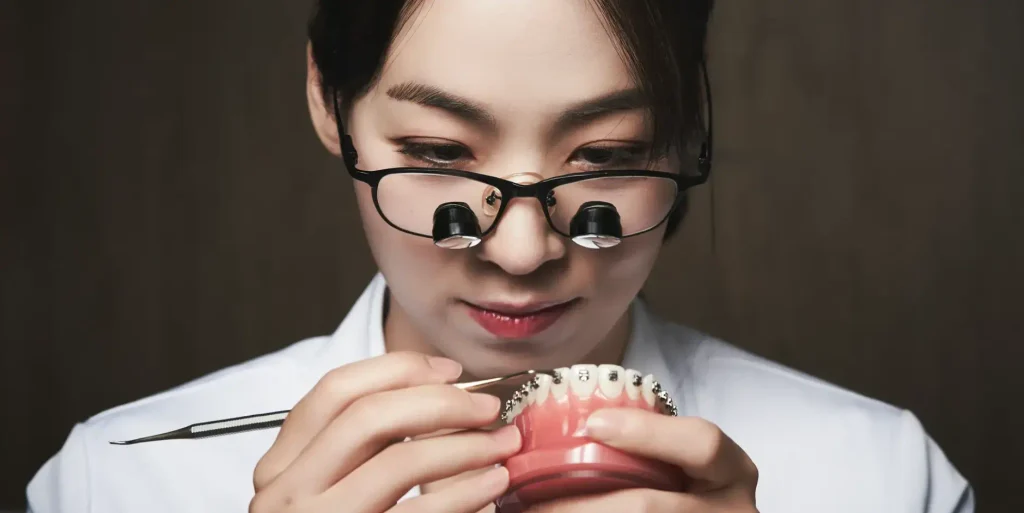
Why Choose an Orthodontist in Korea for Personalized Orthodontic Treatment?
Korea offers a range of orthodontic treatment options, including traditional braces, clear aligners, and digital diagnostic technologies. Dr. Sally Chaekyung Lee at Isu Yonsei Baro Orthodontic Clinic emphasizes individualized treatment planning that considers dental alignment, bite function, facial proportions, and long-term oral health.
Does Dr. Sally Chaekyung Lee Offer Non-Extraction Orthodontic Treatment in Korea?
Dr. Sally Chaekyung Lee generally prioritizes non-extraction orthodontics when clinically appropriate. Treatment decisions depend on available dental space, jaw structure, supporting bone, gum health, and facial balance. Tooth extraction may still be recommended when necessary to achieve a healthy and stable result.
What Is the Difference Between Invisalign and Angel Aligner in Korea?
Invisalign and Angel Aligner are both clear aligner systems designed to gradually move teeth. They differ in their materials, appliance features, and treatment-planning software. Dr. Lee emphasizes that accurate diagnosis and an individualized treatment plan are more important than choosing an aligner brand alone.
Can Adults Receive Orthodontic Treatment in Korea?
Yes. Adults can receive orthodontic treatment to improve tooth alignment and bite function. Before treatment, Dr. Sally Chaekyung Lee evaluates gum health, supporting bone, existing dental restorations, and implants to determine an appropriate treatment approach.
Can International Patients Receive Orthodontic Treatment at Isu Yonsei Baro Orthodontic Clinic?
International patients considering orthodontic treatment in Korea should discuss their travel schedules, expected length of stay, and ability to attend follow-up appointments before starting treatment. Dr. Lee emphasizes planning for appliance management, treatment adjustments, and long-term retainer care.
Orthodontic Treatment in Korea for International Patients
Orthodontic treatment requires more than an initial consultation and appliance placement. It involves regular monitoring, appliance management, treatment adjustments, and long-term retention.
For international patients considering treatment at Isu Yonsei Baro Orthodontic Clinic, advance planning is particularly important.
Before Traveling to Korea
- Prepare information about your current dental condition and orthodontic concerns.
- Share previous orthodontic treatment history, if applicable.
- Explain your preferred treatment goals, including dental alignment and facial appearance.
- Provide your planned arrival and departure dates.
- Discuss whether you can return to Korea for regular appointments.
- Ask about possible treatment options, estimated duration, and follow-up requirements.
During Your Visit to Korea
- Initial consultation and orthodontic assessment
- Evaluation of dental alignment, bite relationships, and skeletal structure
- Examination of the lips, facial proportions, and smile aesthetics
- Additional diagnostic imaging when clinically necessary
- Discussion of non-extraction and extraction treatment options
- Evaluation of clear aligners and traditional braces
- Individualized treatment planning and appliance selection
- Explanation of treatment expectations, limitations, and maintenance requirements
After Returning Home
- Follow the prescribed appliance and elastic-wearing instructions.
- Maintain regular oral hygiene and appliance care.
- Follow clear aligner replacement schedules when applicable.
- Contact the clinic if an appliance becomes damaged, detached, or lost.
- Coordinate follow-up appointments and treatment adjustments.
- Plan for appliance removal and retainer fitting.
- Continue long-term retainer use and maintenance according to clinical instructions.
For international patients, the treatment plan should account for the entire process, including the period after returning home.
Why Personalized Orthodontic Treatment Matters
Orthodontic treatment is not simply about straightening teeth.
The position of the teeth, the relationship between the upper and lower jaws, the supporting bone, and the surrounding soft tissues all influence the final result.
Dr. Sally Chaekyung Lee emphasizes that successful orthodontic treatment should consider three important elements:
1. Dental and Skeletal Function
Healthy tooth movement requires an understanding of dental alignment, root position, supporting bone, and bite relationships.
2. Facial Harmony and Smile Aesthetics
The relationship between the teeth, lips, gum line, and overall facial proportions plays an important role in creating a natural-looking smile.
3. Long-Term Oral Health
Preserving natural teeth, maintaining healthy gums, and ensuring proper retainer use are essential considerations beyond the completion of active treatment.
Her approach combines scientific diagnosis with an appreciation of artistic balance to develop treatment plans suited to each patient’s individual characteristics.
From Orthodontic Treatment to Long-Term Dental Health
The removal of braces or completion of clear aligner treatment does not mark the end of orthodontic care.
Retainer use, oral hygiene, and regular follow-up examinations remain important for maintaining the results.
Dr. Lee believes that treatment should be planned with long-term dental health in mind from the very beginning.
Rather than focusing exclusively on the final appearance of the teeth, she considers how the results can be maintained comfortably and functionally over time.
Meet the Doctor Behind the Treatment Philosophy
At Isu Yonsei Baro Orthodontic Clinic, Dr. Sally Chaekyung Lee emphasizes direct, one-on-one care throughout the orthodontic process.
Her approach is based on understanding each patient’s concerns, establishing realistic treatment goals, and maintaining continuity from diagnosis through retention.
Her artistic background also contributes to her appreciation of the subtle details that influence facial balance and smile aesthetics.
Above all, she believes that every treatment decision should reflect what is genuinely necessary for the individual patient.
A Message for International Patients
For patients considering orthodontic treatment in Korea, selecting a clinic should involve more than comparing appliance brands or treatment costs.
It is important to understand the orthodontist’s diagnostic approach, treatment philosophy, communication process, and plans for long-term follow-up.
Dr. Sally Chaekyung Lee emphasizes the importance of individualized treatment, natural tooth preservation, and careful coordination between clinical goals and patients’ everyday lives.
Her guiding principle:
“Preserve Natural Teeth. Create Facial Harmony. Maintain Healthy Smiles for Life.”
Isu Yonsei Baro Orthodontic Clinic | Korea
For international patients considering personalized orthodontic treatment in Korea.
References
- Dr. Sally Chaekyung Lee, Chief Director, Isu Yonsei Baro Orthodontic Clinic — Exclusive Interview with KoreaMedTour.

Korea Med Tour – Trusted Blog for Medical Tourism in Korea
Korea Med Tour is a trusted medical tourism content platform providing accurate, research-based healthcare information for international patients considering treatment in Korea.
Our editorial team specializes in global patient guidance, treatment insights, clinic selection, and medical travel planning. All content is developed using verified medical sources and structured editorial review processes to ensure clarity, safety, and reliability.
We are committed to helping international patients make informed and confident medical travel decisions when choosing Korea as their healthcare destination.